
Last updated October 31, 2026
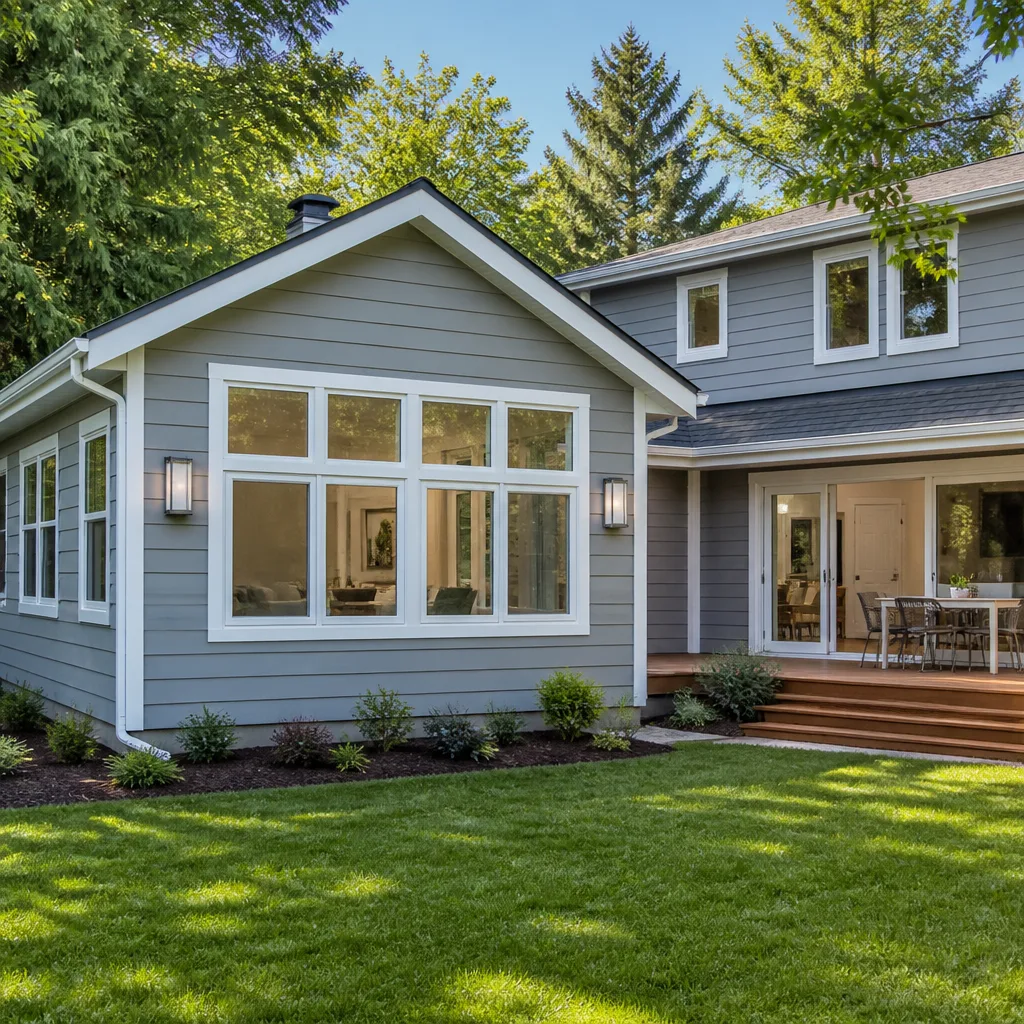 Home additions & ADU
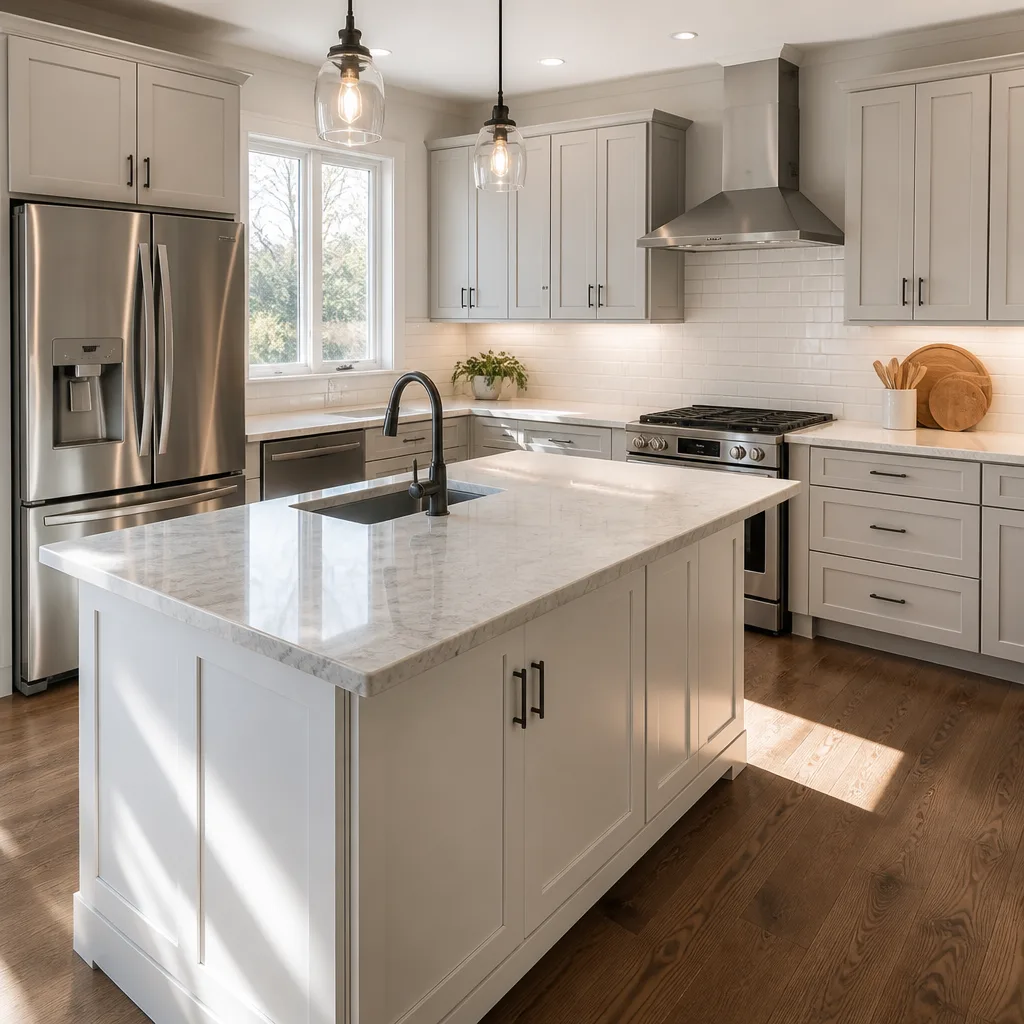 Kitchen remodeling
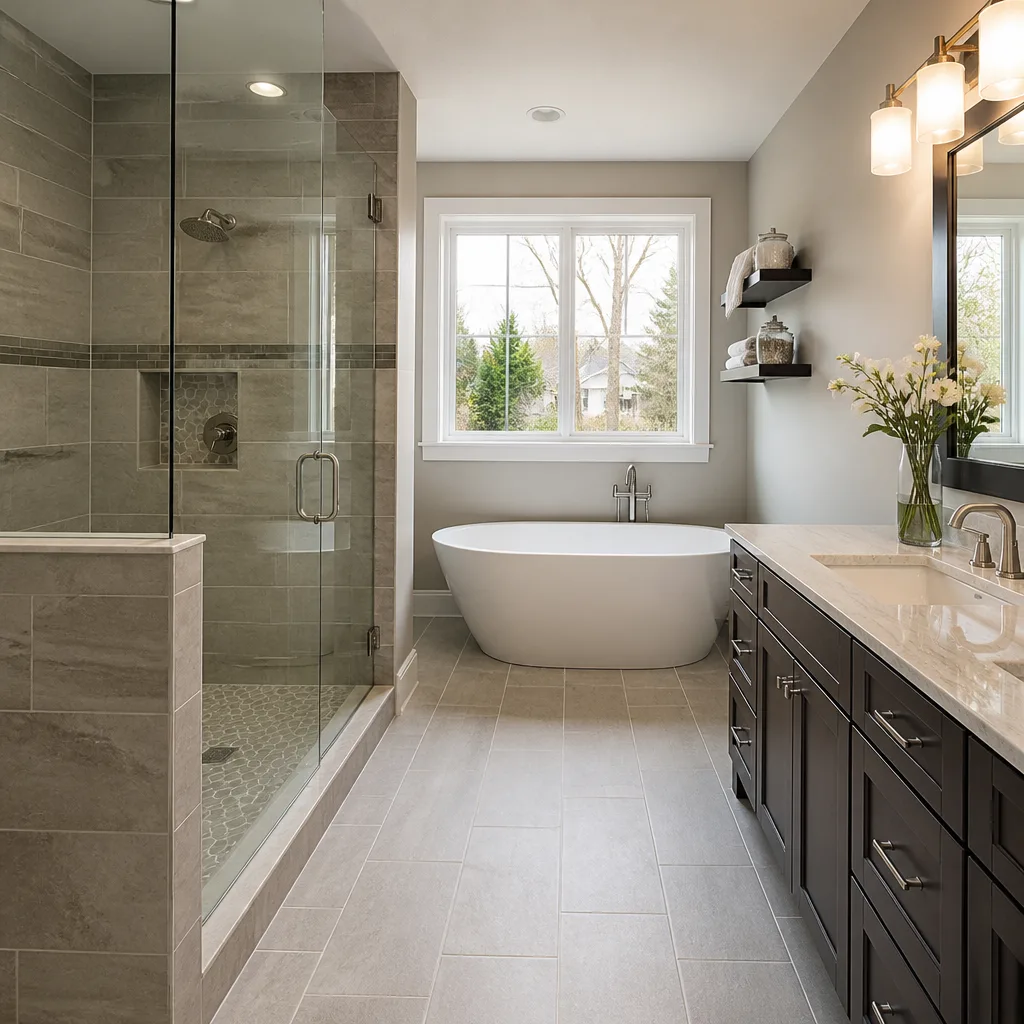 Bathroom remodeling
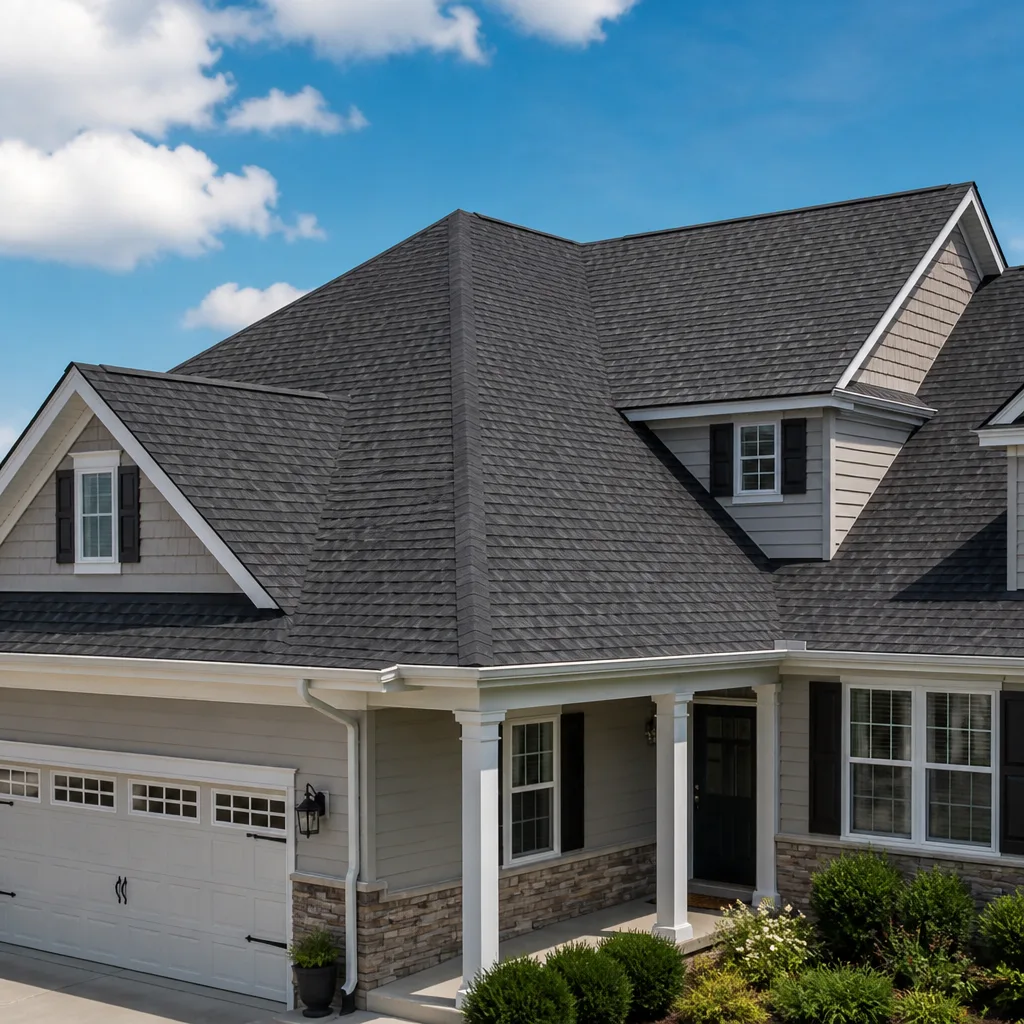 Roofing
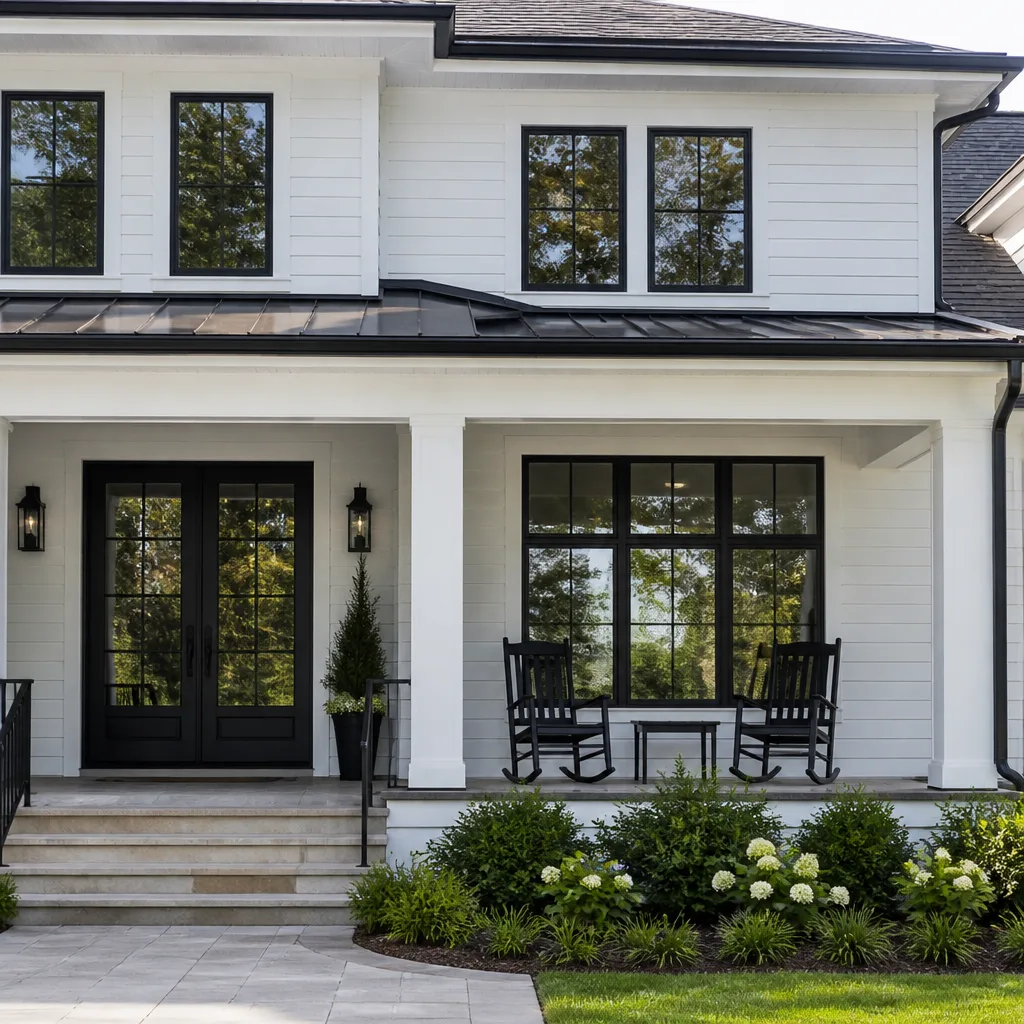 Windows & doors
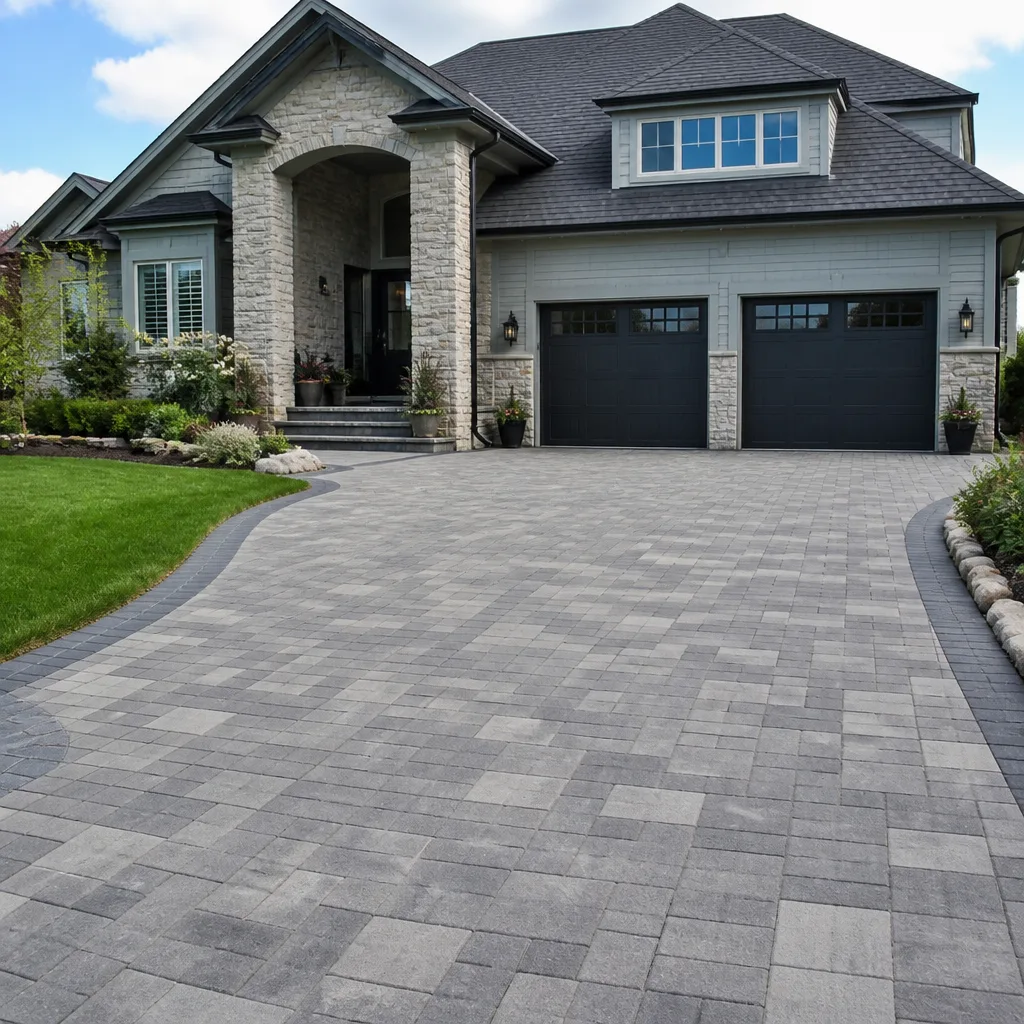 Driveway & pavers
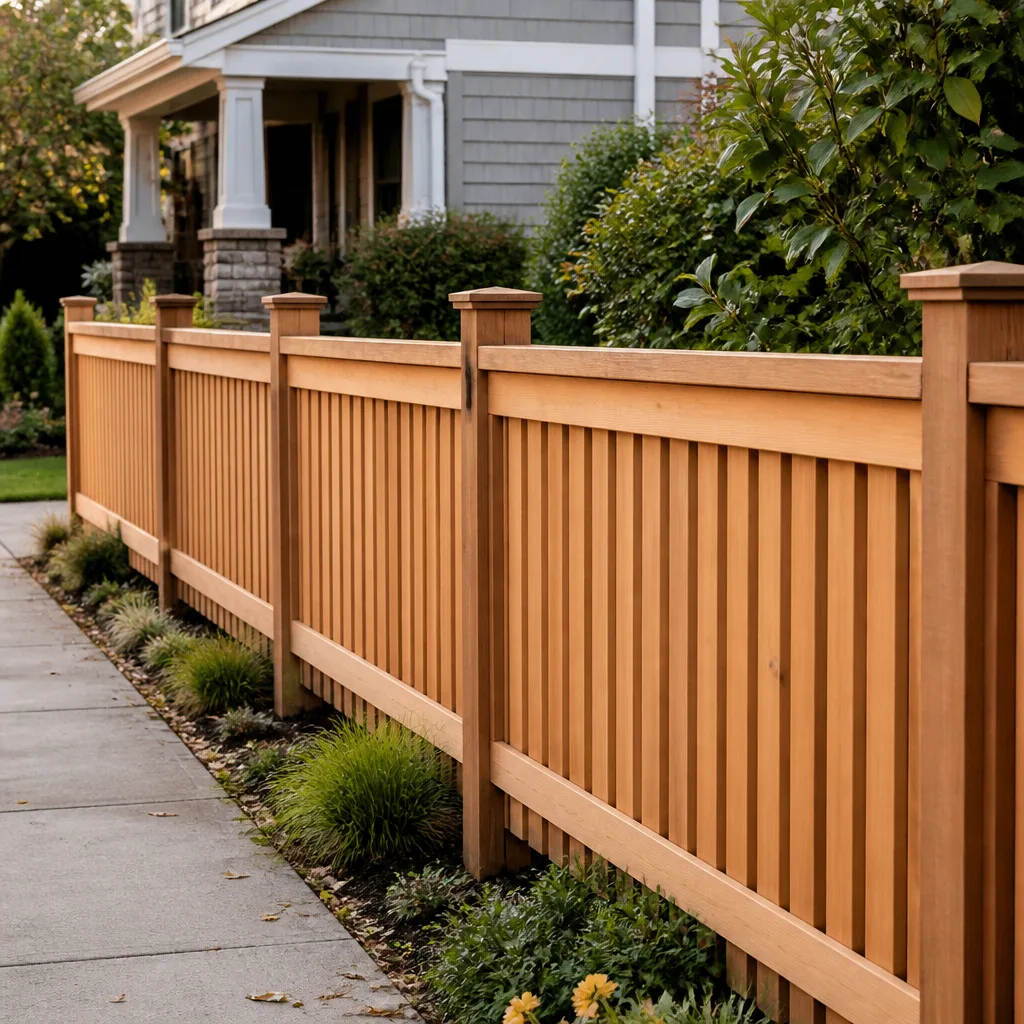 Fence
Free written scope consultation - allowances, timeline, and change-order rules on paper before a single trade is scheduled
Construction Cost Breakdown: The Paradise Homeowner’s Reference for 2026
Most Paradise homeowners enter a renovation with a number in their head that was wrong before they wrote it down. National cost guides say a mid-range kitchen remodel runs $150 to $250 per square foot. In Clark County, that same kitchen lands at $185 to $310. The gap doesn’t come from greed. It comes from freight costs to move materials from California and Arizona distribution hubs, a labor pool that commands Sunbelt-premium wages, HOA architectural review requirements that restrict material choices, and permit fee structures set by Clark County that national averages simply don’t capture. This guide breaks down what construction actually costs in Paradise in 2026, line by line, so you can budget from local reality instead of national fantasy.
Quick Answer
Construction costs in Paradise, NV run 12 to 18 percent above national Sunbelt averages in 2026. A roof replacement on a 2,000-square-foot home typically costs $14,000 to $28,000 depending on material tier. A kitchen remodel runs $45,000 to $95,000 for mid-range scope. A single-story room addition starts around $180 per square foot. The premium is concentrated in three places: Clark County permit and inspection fees, material freight, and HOA compliance add-ons. Call (888) 445-6077 for a free, line-item estimate calibrated to Paradise’s actual market.
Styles & brands we work with
Table of Contents
- Roof Replacement Costs in Paradise: 2026 Per-Square Benchmarks
- Kitchen Remodel Costs: The 2026 Paradise Number Nobody Quotes Honestly
- Fixed vs. Negotiable Line Items: What Clark County Locks In
- HOA Compliance Costs: The Hidden 8-15% on Exterior Work
- Single GC vs. Multiple Contractors: The Real Cost of Splitting Work
- Material Escalation Clauses: What to Watch For in 2026 Contracts
- ADU and Prefab Installation Costs in Paradise
- Window Replacement Cost Benchmarks by Tier
Roof Replacement Costs in Paradise: 2026 Per-Square Benchmarks
A roof replacement in Paradise costs between $7 and $14 per square foot in 2026, all-in with tear-off, underlayment, flashing, and Clark County inspections. That’s $14,000 to $28,000 on a standard 2,000-square-foot single-story home. The spread is not labor. Labor is remarkably consistent across reputable contractors in the Valley. The spread is specification.
Here’s where the money actually goes, broken down by material tier:
- Entry tier ($7-$8.50/sq ft): A single architectural shingle line from IKO or Atlas, synthetic underlayment, standard ridge vent. 20-25 year material warranty. Functions fine. Looks like every third house in Paradise.
- Mid tier ($8.50-$11/sq ft): GAF Timberline or CertainTeed Landmark shingles, upgraded underlayment, better flashing details around penetrations. 30-50 year manufacturer warranty with wind coverage that matters in the Valley’s spring gusts.
- Premium tier ($11-$14/sq ft): Owens Corning Duration or Boral concrete tile. Concrete tile roofs run $18 to $28 per square foot installed, which is why you rarely see them east of the Strip but they’re common in gated communities with strict architectural guidelines.
The $15,000 difference between two Paradise roofing bids for the same square footage almost never comes from labor rates. It comes from three things: underlayment specification (synthetic vs. felt, and which brand), manufacturer warranty tier, and whether the contractor absorbs or passes on Clark County permit fees as a separate line item. Ask for the underlayment brand by name. If a bid doesn’t specify it, the contractor is hoping you won’t ask.
We’ve pulled roofs in Paradise where the previous install used felt underlayment in a neighborhood that gets 3-4 days of monsoon-adjacent downpours each summer. The decking underneath told the story. Synthetic underlayment is not an upgrade in this climate. It’s the floor.
Kitchen Remodel Costs: The 2026 Paradise Number Nobody Quotes Honestly
A functional mid-range kitchen remodel in Paradise costs $45,000 to $70,000 in 2026. A full-gut remodel with layout changes and mid-to-premium finishes runs $70,000 to $110,000. The $150-per-square-foot number you see on national sites assumes you’re in Ohio and keeping the existing layout.
Here’s the line-item reality for a 200-square-foot kitchen in Paradise, mid-range tier:
- Cabinetry (semi-custom, KraftMaid or Wellborn): $14,000-$22,000. Stock boxes from a big-box store cut this to $7,000-$10,000. Custom built-ins push it to $30,000+.
- Countertops (Cambria or Silestone quartz): $6,000-$9,000 including fabrication and install. Caesarstone lands in the same range. Natural stone adds 20-30%.
- Plumbing fixtures (Kohler or Grohe): $1,800-$4,000. Faucet, sink, pot filler if applicable. This is where bids get vague. “Plumbing allowance” without a brand name is a placeholder for whatever’s on sale at the supply house that week.
- Flooring (tile or luxury vinyl plank): $2,500-$5,000 installed, depending on material and whether floor leveling is needed.
- Electrical (circuits, lighting, outlet relocation): $2,500-$5,000. Older Paradise homes built in the 1970s and 80s often need panel upgrades when adding appliance circuits.
- Demo, drywall, paint, backsplash, installation labor: $15,000-$25,000.
- Clark County permits and inspections: $800-$1,800 depending on scope.
We work with Cambria, Silestone, and Caesarstone for engineered stone because each has different depth in specific color families. When a client wants a specific vein pattern, having three sourcing channels means the slab is available. If a contractor only sells one brand, they’ll steer you to what their account rep offers, not what fits your kitchen.
Our Home Remodeling in Paradise page covers scope planning in more detail, but the budgeting principle holds: brand names on allowances protect you. “Quartz countertops, Cambria Brittanicca, including fabrication” is a contract. “Quartz countertops” is a hope.
Fixed vs. Negotiable Line Items: What Clark County Locks In
Some construction costs in Paradise are set by the county. Others are set by the contractor. Knowing which is which changes how you negotiate.
Fixed costs in Clark County (non-negotiable):
- Building permit fees: Clark County calculates these on a valuation-based scale. A $50,000 remodel triggers different fees than a $200,000 addition. Plan review fees are separate from permit issuance fees.
- Inspection fees: Each inspection cycle (rough electrical, rough plumbing, framing, final) has a county-set fee. Skipping inspections to save money is a code violation that bites at resale.
- Water and sewer connection fees: If your project adds a bathroom or ADU, Clark County Water Reclamation District charges connection fees that are published and non-negotiable.
- School and transportation impact fees: New square footage triggers these. They’re calculated by the county, not by your contractor.
Negotiable costs (where contractors have real flexibility):
- Material allowances: A contractor bidding “shower tile allowance: $4/sq ft” has room. A contractor bidding “shower tile: Bedrosians Cloe 2×8 in white, $7.42/sq ft” is giving you a real number. Negotiate the allowance into a specification.
- Waste disposal: Dump fees in Clark County are predictable. A haul-away flat fee of $900 for a bathroom gut is probably padding. Ask what the actual disposal rate is and how many trips are anticipated.
- General conditions: This line covers project management, job site protection, temporary utilities. It’s typically 5-10% of the project. It’s negotiable, but be careful – cutting it too far means the project manager on your job is also managing four others.
- Contractor overhead and profit margin: Every legitimate contractor marks up labor and materials. The range in Paradise is 15-25%. Below 15%, you’re either getting a handyman with no insurance or someone who’ll make it up on change orders.
Ask for a bid that separates county fees from contractor costs. It takes a contractor 20 minutes to do. If they won’t, you don’t have a bid. You have a number with a story behind it.
HOA Compliance Costs: The Hidden 8-15% on Exterior Work
Paradise has some of the most HOA-dense residential real estate in Clark County. If your home sits in a master-planned community or a gated enclave, exterior work carries an additional cost layer that national guides never mention: architectural review compliance.
Here’s what HOA requirements add to Paradise exterior projects in 2026:
- Approved material lists: Many Paradise HOAs maintain lists of approved roofing products, exterior paint colors, and hardscape materials. If your preferred shingle isn’t on the list, you’re either paying for a variance review ($150-$500 depending on the management company) or switching products. James Hardie siding is on most approved lists because it reads as premium, which is why we install it on HOA projects throughout the Valley.
- Color restrictions: Exterior paint and roofing color choices are often limited to specific palettes tied to the community’s design character. A paint allowance of $4,500 is fine until the HOA approves only Sherwin-Williams Duration grade at $78 per gallon, five colors deep.
- Third-party architectural review: Some Paradise communities outsource design review to firms like Keystone Pacific or FirstService Residential. These reviews are not free to the homeowner. Plan check by a third-party reviewer adds $300-$1,200 to a project, and the review timeline adds 2-6 weeks depending on the management company’s submission cycle.
- Contractor registration requirements: Many HOAs require contractors to register with the association, carry specific insurance minimums, and sign indemnification agreements. A contractor who has never worked in your community will spend hours (which they’ll bill for) on registration paperwork. A General Contractor in Paradise who has navigated these HOAs before already knows the drill.
We tell Paradise clients to pull their HOA’s architectural guidelines before calling contractors. The guidelines are the spec. The contractor either builds to the spec or you’re paying for the variance battle.
For hardscaping specifically, HOA rules on pavers, retaining walls, and outdoor structures vary block by block. Belgard and Techo-Bloc products appear frequently on approved lists because their product lines include HOA-friendly color palettes. If your contractor proposes a paver that’s not on the list, the HOA review will bounce it and the project stalls.
Single GC vs. Multiple Contractors: The Real Cost of Splitting Work
The math of “I’ll hire my own roofer, my own window guy, and my own kitchen contractor” looks great on a spreadsheet. Here’s the math that doesn’t appear on the spreadsheet.
Coordination costs nobody invoices:
- Schedule dependency: You can’t install windows until the exterior envelope work is done. You can’t paint until the windows are trimmed. If the roofer runs three weeks late, the window contractor doesn’t hold your slot. They take another job. Now your two-week delay is a seven-week delay, and your kitchen cabinets are sitting in a warehouse accruing storage fees.
- Liability gaps: When three contractors work in overlapping zones, each points at the other when something goes wrong. The tile contractor says the window installer cracked the sill. The window installer says the roofer’s crew did it. The roofer isn’t answering your calls. With a single GC, one phone call owns the problem.
- Warranty fragmentation: A single-GC project carries one workmanship warranty across the whole scope. Split the work five ways and you have five warranties, each with exclusions for work performed by the others. The fine print matters when a leak appears at the intersection of roof, siding, and window.
- Subcontractor pricing: General contractors in Paradise get better rates from subs because they feed them consistent volume. The roofer who charges a GC $11,000 charges a homeowner $13,500 for the same roof. Your “savings” from cutting out the GC often evaporates in the subcontractor’s homeowner markup.
- Your time: Managing four contractors on a Paradise renovation is a part-time job. Twenty hours of your time at your own earning rate, plus the stress, plus the mistakes you won’t catch because you don’t know what a proper flashing detail looks like. The GC fee starts to look cheap.
This is why we structure Ellsworth Contractors as a single point of accountability from roofline to paver. The Home Renovation in Paradise page explains our full scope. The economics are simple: one contract, one schedule, one warranty, one call when something’s wrong.
Material Escalation Clauses: What to Watch For in 2026 Contracts
Lumber, steel, and roofing supply prices remain volatile going into 2026. The days of a fixed bid that holds for 18 months are over. Here’s what Paradise homeowners need to understand before signing anything.
What an escalation clause does: It allows the contractor to adjust the contract price if material costs rise beyond a certain threshold between signing and purchase. Some clauses are fair. Some are open doors for profit.
Fair escalation language looks like this:
- Price adjustments apply only to materials, not labor.
- Adjustments trigger only on documented supplier price increases of 5% or more.
- The contractor must provide supplier invoices or price lists as evidence.
- Adjustments are calculated on actual cost difference, not a percentage markup on the whole project.
Red-flag escalation language looks like this:
- “Contractor reserves the right to adjust pricing based on market conditions.” No threshold, no evidence, no cap. This is not an escalation clause. It’s a blank check.
- Adjustments on “labor and materials” without separation. Labor rates in Las Vegas don’t swing like commodity prices. If the clause bundles them, the contractor is hedging labor margin under the cover of material volatility.
- No notification window. Fair clauses require written notice before the material order is placed. If the first you hear about a price increase is the invoice for it, the clause was designed to surprise you.
How to protect yourself in 2026:
- Ask for the escalation clause upfront, before you sign. If there isn’t one, ask what happens when material prices move. A contractor who says “we absorb it” is either pricing in a 10% contingency or lying.
- Ask which materials are exposed. 2026 volatility is concentrated in lumber, steel framing, and some roofing products. Quartz and porcelain tile have been relatively stable. If the clause covers everything, the contractor hasn’t done the work to figure out where risk actually lives.
- Cap the exposure. A reasonable cap is 7-10% of the affected line item, not the project total. If the contractor won’t cap it, get a second bid.
We’ve been running projects through these volatility cycles since before the word “supply chain” entered everyday vocabulary. The contractors who communicate clearly about material risk before it becomes a problem are the ones who finish projects on budget. The ones with vague clauses are the ones who show up with a change order halfway through the job.
ADU and Prefab Installation Costs in Paradise
Accessory dwelling units are the fastest-growing project category in Paradise, and the cost structure is different from everything else in this guide. A detached ADU in Clark County runs $250 to $450 per square foot for site-built construction in 2026. A 600-square-foot ADU lands at $150,000 to $270,000 all-in, including permits, utilities, site work, and finishes.
Prefab ADU structures change the math in specific ways:
- Dvele and Plant Prefab homes: Factory-built modules deliver to the site at 70-80% completion. Site work, foundation, utility connections, and finish work still happen on-site, but the framing and enclosure risk moves indoors to a factory with controlled conditions. Total installed cost typically runs 5-15% below comparable site-built.
- Mighty Buildings and Boxabl: Panelized and modular systems that ship flat and assemble fast. The cost savings come from schedule compression – a two-month reduction in construction time is real money in Paradise, where carrying costs and HOA construction windows are tight.
- Clark County ADU-specific costs: ADUs trigger school and transportation impact fees, sewer connection fees from the Clark County Water Reclamation District, and separate electrical service drops from NV Energy. These fixed costs run $15,000 to $40,000 depending on the lot and the ADU size, before a single module arrives.
ADUs are also where HOA rules get most restrictive. Some Paradise communities allow attached ADUs only. Some allow detached only with specific setback buffers. Some don’t allow them at all, though Nevada state law has been moving toward more permissive ADU policy. Pull your governing documents before you pull a permit.
The opportunity framing matters here. An ADU in Paradise is not an accessory structure. It’s rental income, or aging-in-place space for family, or a long-term value play in a county where housing demand consistently outpaces supply. When we talk to clients about ADU projects, the conversation starts with what the property can do, not what the structure costs.
Window Replacement Cost Benchmarks by Tier
Window replacement in Paradise costs $700 to $1,200 per opening for mid-range vinyl, $1,200 to $2,000 for premium vinyl or fiberglass, and $2,000 to $3,500 per opening for impact-rated products from manufacturers like PGT or CGI. A 12-window single-story home runs $10,000 to $40,000 depending on tier.
The Paradise-specific factors:
- Solar heat gain: Low-E coatings are not optional here. The air conditioning load reduction from a proper low-E window pays back over the product’s life. Cheap builder-grade windows without low-E are a false economy in this climate.
- Wind load requirements: Clark County sits in a wind zone that requires specific design pressure ratings. Impact-rated windows from PGT and CGI meet the code requirements and add a real safety benefit, but they’re a significant cost step up. Therma-Tru makes entry doors with matching ratings.
- HOA fenestration rules: Some Paradise communities regulate window frame color, grid pattern, and even glass tint. Check the architectural guidelines before ordering. A $12,000 window package ordered in the wrong frame color is a $12,000 problem.
Ask for the NFRC label on any window quote. U-factor and SHGC (solar heat gain coefficient) numbers tell you more about real-world performance than the brand name or the salesperson’s pitch. In Paradise’s climate, an SHGC under 0.25 on west-facing glass is worth paying for.
Common Mistakes to Avoid
- Bidding from national cost averages. Paradise runs 12-18% above Sunbelt norms. If your budget comes from a national website, you’re underfunded before you start. Use local benchmarks or get a local bid.
- Accepting allowances without specifications. “Cabinet allowance: $12,000” tells you nothing. “KraftMaid Vantage, Lyndale door, Cotton finish, $14,200” is a real line item. Brand names and SKUs protect you.
- Skipping the HOA review before signing a contract. In Paradise HOAs, exterior work can be rejected after you’ve spent money. Pull the architectural guidelines and get written approval before materials are ordered.
- Ignoring the underlayment line on roof bids. The shingle brand gets the marketing money. The underlayment does the waterproofing. In a climate with monsoon-season downpours, synthetic underlayment is not negotiable.
- Choosing contractors on price alone. The low bid in Paradise is usually low because something is missing: permit fees, a real material specification, proper insurance. The correction always costs more than the savings.
- Signing a contract with an open-ended escalation clause. If the language doesn’t specify a trigger threshold, evidence requirements, and a cap, it’s not protecting the contractor from volatility. It’s exposing you to it.
- Assuming impact fees are included. Clark County impact fees on additions and ADUs are real, they’re published, and some bid estimates quietly omit them. Ask if the number includes county fees or not.
See the difference
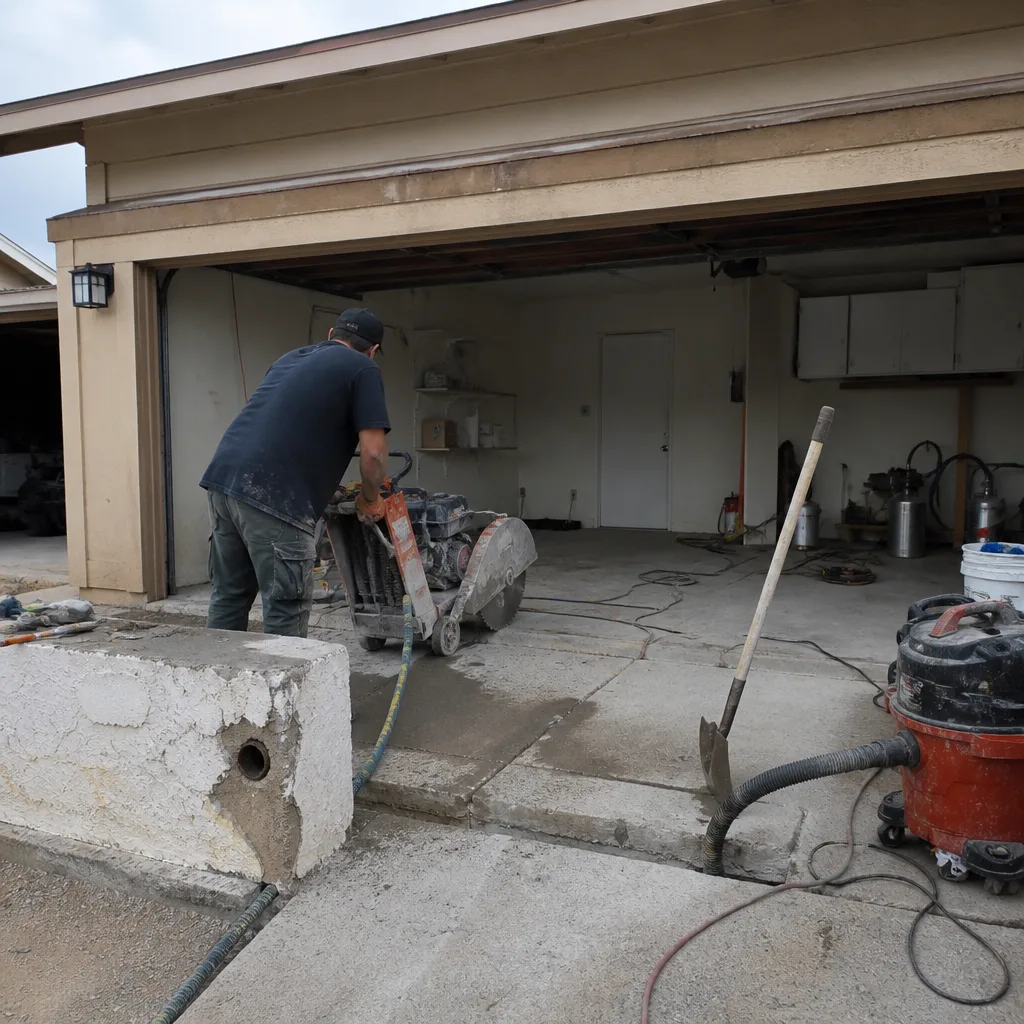 Before
 After
 Before
 After
 Before
 After
When to Call a Professional
Call a contractor when the project touches structure, waterproofing, electrical, plumbing, or anything visible from the street in an HOA. Call before you buy materials from a big-box store with a “free installation” promo. Call when you have three bids and they’re $20,000 apart, because one of those bids is hiding something. Call when the project involves a roof, a wall you’re removing, or concrete work over existing utility lines. Ellsworth Contractors home serve Paradise homeowners with free estimates and line-item bids that separate county fees, material costs, and labor. Call (888) 445-6077 to schedule yours.
Frequently Asked Questions
A mid-range kitchen remodel in Paradise costs $45,000 to $70,000. A full-gut remodel with layout changes and premium finishes runs $70,000 to $110,000. The range is driven by cabinetry tier, countertop material, and whether the project requires electrical panel upgrades, which are common in Paradise homes built before 1990. Call (888) 445-6077 for a spec-level estimate on your specific kitchen.
A roof replacement on a standard 2,000-square-foot Paradise home costs $14,000 to $28,000 in 2026. The spread comes from material tier: entry-level architectural shingles start at $7 per square foot, while premium lines from GAF or CertainTeed run $9 to $11, and concrete tile in HOA communities runs $18 to $28. Underlayment spec moves the price more than shingle brand. Get three bids and compare the underlayment line item specifically.
Clark County permit fees are valuation-based, meaning a $100,000 project pays more than a $40,000 project. For a typical remodel, permit and inspection fees run $800 to $3,000. Additions and ADUs trigger additional impact fees that can reach $40,000 on larger projects. Any Paradise contractor should separate county fees from construction costs on the bid so you know exactly what’s fixed.
Yes. In Paradise communities with active HOAs, exterior projects carry an additional 8-15% in compliance costs. Approved material lists restrict product choices, color palettes limit design options, third-party architectural review adds $300-$1,200 in fees and weeks of schedule, and contractor registration requirements add administrative overhead. Pull your HOA guidelines before you get bids.
It should not, if the contract has specification-level line items and a defined escalation clause. Price changes on a well-written contract come from one of three places: you change the scope, hidden conditions are discovered (rot behind walls, undersized framing), or materials escalate beyond the contract threshold. If a contractor presents a vague contract and then bumps the price after demo, the contract was the problem, not the project. A Home Renovation in Paradise specialist should be able to explain exactly where price variability lives before you sign.
On paper, sometimes. In practice, rarely. Homeowners pay retail rates to subcontractors (GCs get volume pricing), absorb the schedule slip that happens when trades don’t coordinate, live with warranty gaps where scopes overlap, and spend 20 hours a week managing phone calls. The 15-25% a general contractor charges is usually less than the combined cost of retail sub rates, schedule delays, and your own time. A General Contractor in Paradise can show you the comparison on a real bid.
The Bottom Line
Construction costs in Paradise in 2026 are higher than national averages for structural reasons: Clark County’s permit and impact fee schedule, freight costs from regional distribution hubs, a competitive labor market, and HOA compliance layers that national guides ignore. The solution is not to find a cheaper contractor. It’s to find a contractor who shows you the line items, names the brands, separates county fees from construction costs, and explains where volatility lives in your specific project. That’s how you budget from reality. That’s how you avoid the $15,000 surprises. And that’s how Paradise renovations get done right.
Written by the team at Ellsworth Contractors, serving Paradise since 2014.