Last updated October 31, 2026
 Kitchen remodeling
 Bathroom remodeling
 Home additions & ADU
 Roofing
 Windows & doors
 Driveway & pavers
 Fence
Free written scope consultation - allowances, timeline, and change-order rules on paper before a single trade is scheduled
Choosing the Right Construction Brand: A Buyer’s Guide for Paradise
GAF and Owens Corning dominate national roofing sales, but the product line that performs in Paradise is a specific SKU within each brand’s catalog, not the brand itself. The base shingle from either manufacturer, the one sold by volume in humid Gulf Coast markets, lacks the solar reflectance and impact rating that Southern Nevada demands. This guide breaks down which construction brands and specific product lines hold up in Paradise’s climate, which ones fail early, and how to read a manufacturer’s spec sheet like someone who has watched those failures happen. For more guides & resources, see our blog.
Styles & brands we work with
Quick Answer
The best construction brands for Paradise, NV are those with desert-specific product lines, as covered in The Complete Guide to Construction in Paradise: GAF and CertainTeed roofing with Class 4 impact ratings and SRI values above 29, James Hardie fiber-cement siding, fiberglass-frame windows from PGT or CGI rather than vinyl, quartz countertops from Cambria or Caesarstone, and hardscaping from Belgard or Techo-Bloc rated for freeze-thaw cycling. Brand name matters less than the specific product tier within that brand’s catalog, and warranty geography matters more than most homeowners realize.
Table of Contents
- Roofing Brands: SRI, Impact Ratings, and the Paradise UV Problem
- Window Brands and Frame Materials: Why Vinyl Struggles in Nevada Heat
- Siding and Exterior Cladding: James Hardie and the Fiber-Cement Standard
- Cabinetry and Countertops: Low Humidity, High Solar Gain
- Hardscaping Brands: Freeze-Thaw Resistance in a Desert Climate
- Warranty Geography: The Fine Print Nevada Homeowners Miss
- Common Mistakes to Avoid
- When to Call a Professional
- Frequently Asked Questions
- The Bottom Line
Roofing Brands: SRI, Impact Ratings, and the Paradise UV Problem
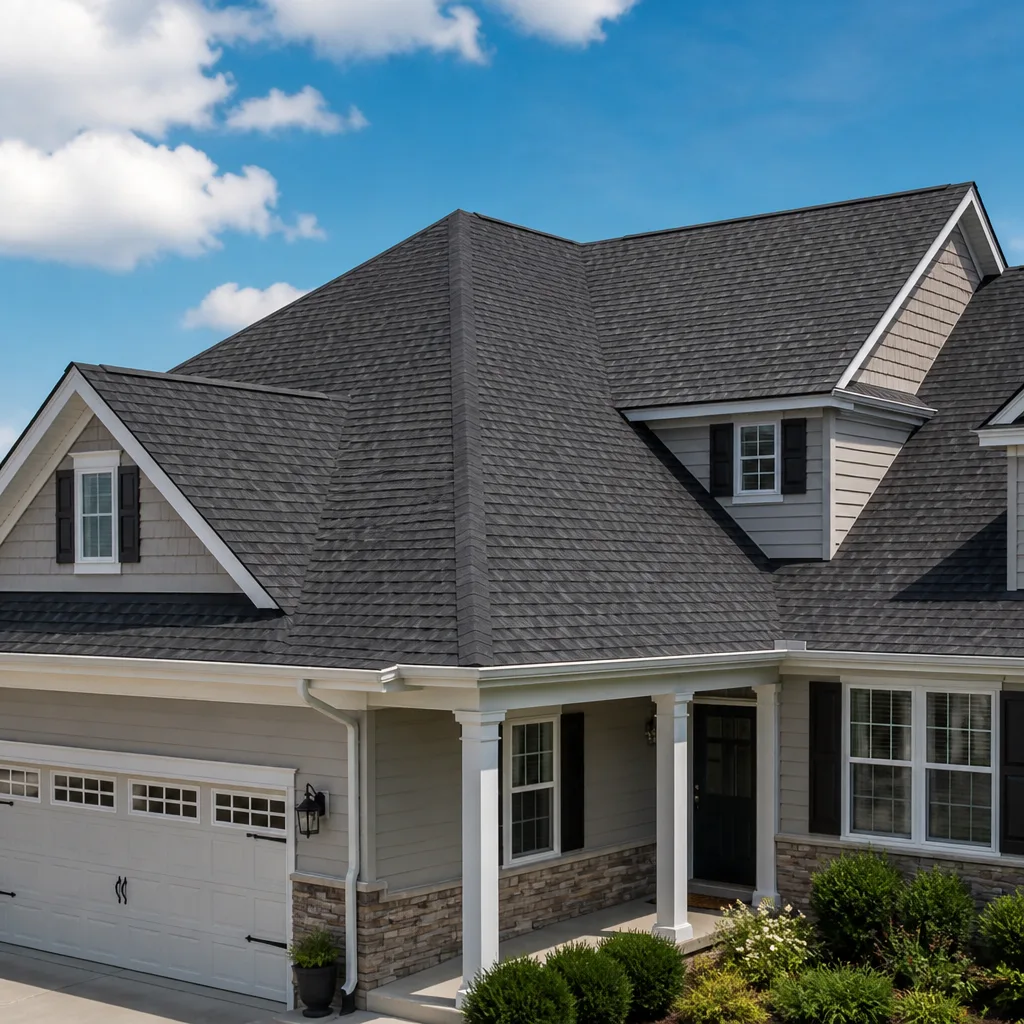
Paradise receives roughly 294 days of sunshine per year. UV index readings routinely hit 10 or 11 from May through September. A standard architectural shingle that carries a 30-year warranty in Ohio will lose granules and begin cracking within 12 to 15 years here if it lacks the right thermal performance specs. The brands are less important than the product tier. What you need to look for is a Class 4 UL 2218 impact rating, which means the shingle survives a 2-inch steel ball dropped from 20 feet without cracking. You also need a Solar Reflectance Index (SRI) above 29. Below that threshold, the shingle absorbs too much solar energy, and the attic temperature climbs high enough to stress your HVAC system and bake the shingle adhesive from underneath.
Specific Product Lines Worth Investigating
Within the major manufacturers, the desert-capable lines are specific. GAF’s Timberline ArmorShield II carries a Class 4 impact rating and is available in lighter colorways that push SRI into the low 30s. CertainTeed’s Landmark ClimateFlex is designed with rubberized asphalt for thermal cycling, the repeated expansion and contraction that happens when a Paradise roof goes from 35°F at dawn to 140°F surface temperature by midafternoon. Owens Corning’s Duration Flex with SureNail technology also handles desert thermal shock well, but you want the Cool Roof color options, not the default palette.
Our experience on general contractor work in Paradise has shown that roofline failures here are rarely about the brand name stamped on the shingle. They are about selecting the wrong tier within the brand. A homeowner who picks the base-level GAF Timberline because the name is familiar will replace that roof years earlier than someone who selected the ArmorShield II line. The price difference is real, but the lifespan difference is larger.
What Specs to Verify Before Buying
- Class 4 impact rating – Protects against hail, which Paradise does get. A 2019 hail storm produced stones large enough to total vehicles in some neighborhoods.
- SRI above 29 – Keeps attic temperatures lower and reduces thermal stress on the shingle adhesive bond.
- Algae resistance – Paradise’s low humidity reduces algae growth compared to the Southeast, but irrigation overspray on low-slope sections can create the same black streaking.
- Warranty temperature range – Verify the manufacturer’s warranty language covers sustained surface temperatures above 140°F. Some exclude deserts.
Multi-manufacturer access is the practical advantage here. A contractor tied to one brand will sell you the best that brand offers, even if that product is the wrong match for a west-facing roof with no shade. Working with GAF, CertainTeed, Owens Corning, IKO, Atlas, Tamko, and Boral means the selection is driven by the project’s performance needs and budget, not by a supplier agreement.
Window Brands and Frame Materials: Why Vinyl Struggles in Nevada Heat
Vinyl window frames warp when exterior surface temperatures stay above 100°F for extended periods. Paradise gets an average of 70 days per year at or above 100°F. On a south-facing wall with no shade, a dark-colored vinyl frame can reach 160°F or higher. Over multiple seasons, that repeated thermal cycling causes the frame to bow, the weatherstripping to separate, and the sashes to bind. Vinyl is the most common window material in the United States, but it is the wrong default for the Mojave Desert.
Fiberglass: The Desert Frame Material
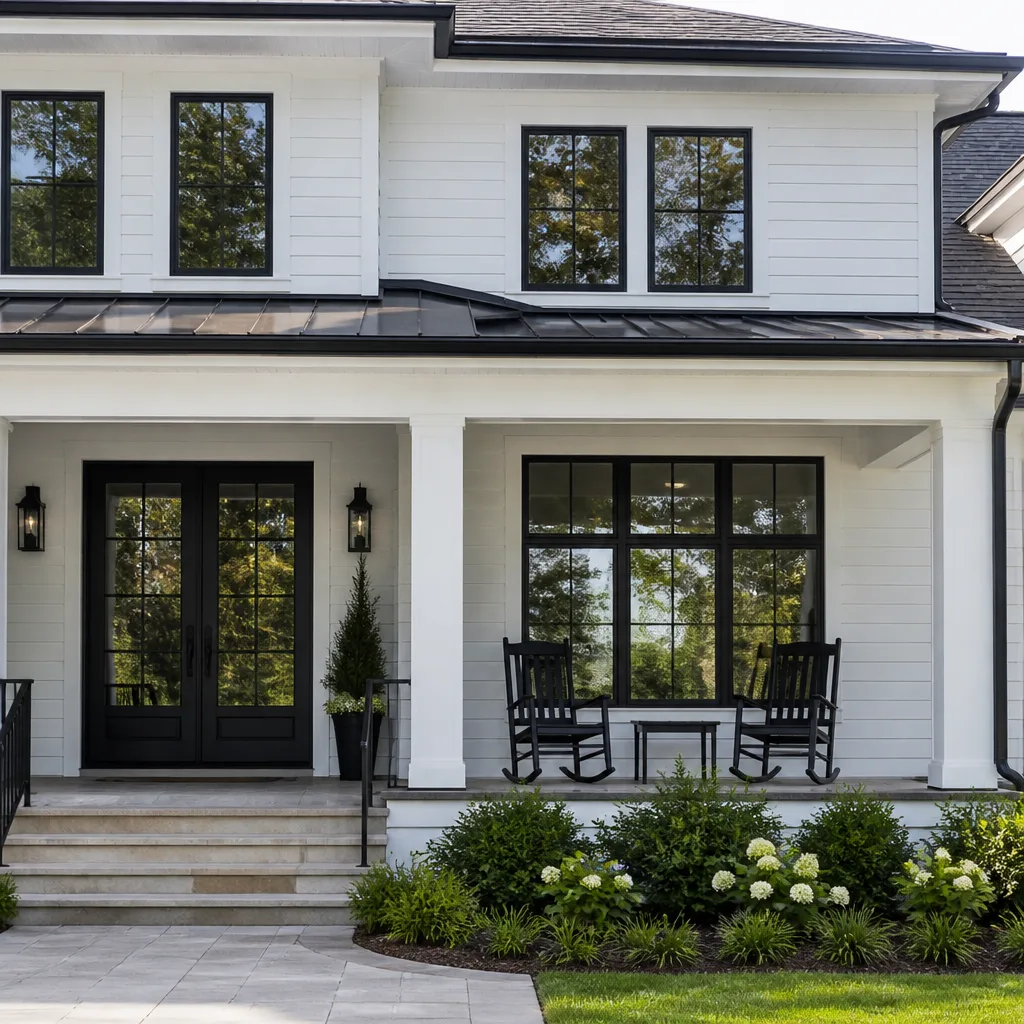
Fiberglass expands and contracts at roughly the same rate as glass itself. That means the frame and the glazing unit move together through thermal cycles, which keeps seals intact far longer. PGT and CGI, both Florida-based manufacturers, build impact-rated fiberglass and aluminum lines that were engineered for hurricane zones but happen to translate well to desert heat. PGT’s WinGuard line combines impact resistance with energy-efficient glazing packages. CGI’s Sentinel series offers similar performance. Both companies test their frames to sustained heat loads that exceed what Paradise throws at them.
When we handle home remodeling in Paradise for west-facing elevations, we typically specify fiberglass or thermally broken aluminum. The cost premium over vinyl runs 15 to 25 percent, but the replacement cycle stretches from roughly 12 to 15 years for vinyl here to 30-plus for fiberglass. That math works in the homeowner’s favor before you even account for reduced HVAC load.
Glazing Packages That Matter in Paradise
- Low-E coatings on surfaces 2 and 3 – Surface 2 reflects solar heat before it enters the home. Surface 3 reflects interior heat back inside during winter.
- SHGC below 0.25 – Solar Heat Gain Coefficient below 0.25 means less than a quarter of incoming solar radiation becomes interior heat.
- Argon or krypton gas fill – Both work. Argon is standard. Krypton costs more but allows slightly narrower frames.
- Warm-edge spacers – Reduce condensation and thermal transfer at the perimeter of the glass.
Siding and Exterior Cladding: James Hardie and the Fiber-Cement Standard
The siding conversation in Paradise is short. James Hardie fiber-cement is the industry benchmark, and for good reason. It does not melt or warp in heat the way vinyl does. It does not expand and contract to the degree that wood does, which means paint adhesion lasts longer. The product line specifically suited to Southern Nevada is HardiePlank lap siding with ColorPlus technology, which bakes the finish on at the factory rather than relying on field-applied paint. In an environment where a painted wood siding job can show fading within three seasons, factory-baked finishes matter.
What Fiber-Cement Handles That Other Materials Don’t
Paradise sits in Clark County, where wildland-urban interface fire risks are real. Fiber-cement is non-combustible. It holds a Class A fire rating without the need for special treatments. Vinyl siding melts and deforms under radiant heat from a neighboring structure fire. Wood requires fire-retardant treatment to approach the same code compliance. When the ember threat from a desert brush fire is a genuine consideration, James Hardie is not a style choice. It is a safety decision.
We have installed James Hardie on home renovation projects in Paradise that involved full exterior envelope replacement. The difference in how the material holds paint after even two summers, compared to wood or vinyl, is visible from the street. The color choices are substantial, and the 30-year limited warranty is one of the longer non-prorated warranties in the siding category.
Cabinetry and Countertops: Low Humidity, High Solar Gain
Paradise’s relative humidity averages under 30 percent for most of the year. That is lower than the indoor humidity target for most homes in cooler climates. Wood cabinetry reacts to low humidity by shrinking, which can cause joints to open, doors to misalign, and finishes to crack along grain lines. The cabinet brands that perform in this environment use kiln-dried hardwoods and engineered wood panels specifically for low-moisture stability.
Cabinetry: KraftMaid and Wellborn
KraftMaid’s all-plywood construction with furniture-grade finishes handles low humidity better than particleboard boxes from entry-level brands. The plywood core holds screws better over decades of expansion and contraction cycles. Wellborn Cabinet, a family-owned manufacturer since 1961, offers full-access cabinetry lines with soft-close hardware as standard. Wellborn’s maple and hickory options are particularly stable in desert conditions. Avoid solid cherry in Paradise homes without whole-house humidification systems. Cherry is beautiful and expensive, but it is among the most dimensionally unstable species in low-humidity environments.
Countertops: Quartz vs. Granite in Extreme Solar Gain
A south-facing kitchen window in Paradise will blast a countertop surface with direct sun for hours each day. Granite is a natural stone and will not fade from UV exposure. Quartz, which is engineered stone made from roughly 93 percent natural quartz and 7 percent resin binders and pigments, can fade in direct sunlight over time. Some quartz manufacturers state in their warranty that direct sunlight exposure voids the coverage. If your Paradise kitchen has large south or west-facing windows without UV film, granite or a UV-stable quartz brand is the safer choice.
Cambria is American-made quartz with a track record of color stability, but their warranty, like others in the category, contains sunlight exposure language. Read it. Silestone and Caesarstone both produce excellent products, and all three are brands we work with directly. The key is matching the product line to the light conditions in the specific room, not picking a color from a showroom sample under fluorescent light.
Hardscaping Brands: Freeze-Thaw Resistance in a Desert Climate
Paradise freezes. It does not freeze often, but overnight lows drop below 32°F an average of 17 nights per year. That is enough to cause freeze-thaw damage in pavers and retaining walls that are not rated for it. Water gets into the pores of a concrete paver during an irrigation cycle or a rare winter rain, the temperature drops overnight, the water freezes and expands, and the paver surface spalls. After enough cycles, the surface looks sandblasted and the structural integrity degrades.
Brands Rated for the Real Conditions
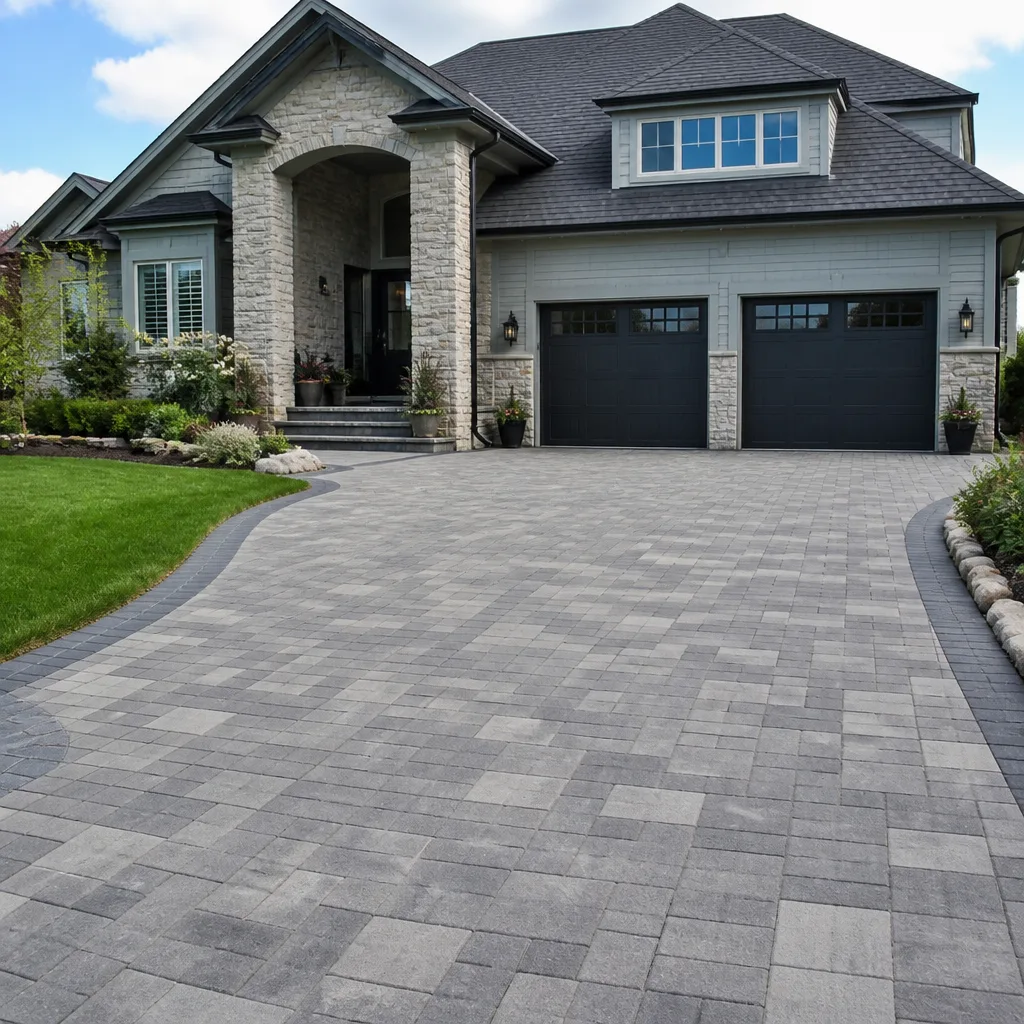
Belgard, Unilock, and Techo-Bloc all manufacture pavers with freeze-thaw resistance ratings. Belgard’s permeable paver lines, specifically the Aqua-Bric and Turfstone products, handle both the rare freeze cycle and the more pressing Paradise issue: occasional heavy monsoon rain that floods hardscape surfaces faster than the soil can absorb. Techo-Bloc’s Blu 60 and Borealis lines use high-density concrete with low water absorption rates, which directly improves freeze-thaw performance. Unilock’s EnduraColor technology bakes the color into the paver surface rather than applying it as a surface coating, which resists the UV fading that turns cheaper pavers chalky white within five years of Paradise sun exposure.
Retaining Wall Systems
Segmental retaining wall blocks made from low-quality concrete with high absorption rates will crack in Paradise’s thermal cycling even without freeze-thaw. The daily expansion and contraction of the block face from dawn to peak afternoon heat puts stress on any material with inconsistent density. Look for blocks with a minimum compressive strength of 5,000 PSI and absorption rates under 5 percent. Belgard and Techo-Bloc publish these specs. Budget big-box blocks usually do not, and that absence is telling.
Warranty Geography: The Fine Print Nevada Homeowners Miss
This is the section that saves homeowners real money, and it is the one almost no one reads before signing a contract. Manufacturer warranties are not universal. They are geographic. Some explicitly exclude coverage in climate zones above a certain UV index. Others prorate coverage differently based on regional climate data. Nevada falls into a warranty geography category that voids or reduces coverage on products that are perfectly covered in the Midwest or the Pacific Northwest.
How to Cross-Reference a Warranty Before You Buy
- Download the full warranty document – Not the marketing one-pager. The full PDF with the fine print. It is always on the manufacturer’s website, often buried under a “Resources” or “Technical Documents” tab.
- Search for the words “climate,” “UV,” “desert,” “Arizona,” and “Nevada.” – Use Ctrl+F. Read every instance. A single sentence can change coverage.
- Check the proration schedule – Many warranties cover full replacement for the first 5 years, then prorate to 50 percent by year 15. That proration may start earlier in high-UV regions.
- Verify whether labor is covered – Most material warranties exclude labor. The material may be free, but the crew installing it costs money. Some premium product lines include a labor allowance for the first few years.
- Confirm that the installer is manufacturer-certified – Many warranties are void if the product was installed by an uncertified contractor. This is one more reason to work with a contractor who has verified status with the manufacturers whose products they install.
Ellsworth Contractors is authorized to work with 50-plus named manufacturers across cabinetry, countertops, plumbing, roofing, windows, doors, fencing, hardscaping, and prefab structures. That breadth exists because we have seen warranty claims denied for products that were the wrong match for this climate. The right product, with verifiable warranty coverage, costs less over time than a discounted product with no enforceable coverage.
Common Mistakes to Avoid
- Buying the brand instead of the tier. GAF makes excellent roofing products and GAF makes builder-grade roofing products. The name does not guarantee the performance. Verify the specific SKU’s impact rating and SRI before signing.
- Choosing vinyl windows because they are cheaper. The 15 to 25 percent savings disappears when the frames warp after five Paradise summers and the sashes no longer seal. Fiberglass costs more upfront and less over the life of the home.
- Ignoring warranty geography. A 50-year warranty that excludes high-UV climates is a five-year warranty. Read the full document, not the brochure.
- Selecting quartz countertops for a sun-drenched kitchen. Natural stone granite may be the better call when a south-facing window is directly above the counter. Check the quartz manufacturer’s UV exposure language first.
- Skipping the freeze-thaw rating on pavers. Paradise freezes 17 nights a year on average. Pavers without a freeze-thaw rating will spall. It will not be dramatic, but the surface will look weathered within four years.
- Hiring separate contractors for interior and exterior work. A kitchen remodel that does not account for the roof’s thermal performance or the window’s SHGC is an incomplete project. Ellsworth Contractors’ full-scope approach means the envelope and the interior are specified together.
- Using dark roofing materials to save money. A near-black shingle may be cheaper per square, but the added HVAC load in Paradise summers erases the savings within two seasons. Lighter colors with higher SRI pay for themselves quickly.
When to Call a Professional
Material selection gets complicated when it intersects with structural work, permit requirements, and manufacturer installation specs. If your project involves a full roof replacement, window retrofit across multiple openings, structural retaining walls over 3 feet tall, or any work that requires a Clark County building permit, call a professional before buying materials. The wrong product purchased online and installed incorrectly voids warranties and creates code compliance problems. Ellsworth Contractors offers free estimates in Paradise. Call (888) 445-6077 to schedule one. We will walk the property, identify the specific performance requirements, and specify brands and product tiers that match the conditions of your home rather than the conditions of a showroom.
Frequently Asked Questions
The best roofing brand for Paradise is whichever manufacturer offers the specific product tier rated for Class 4 impact and SRI above 29. GAF’s Timberline ArmorShield II, CertainTeed’s Landmark ClimateFlex, and Owens Corning’s Duration Flex are all solid options when specified in the right colorway.
Fiberglass windows typically run 15 to 25 percent more than vinyl in Paradise, but the replacement cycle for vinyl in our climate is roughly 12 to 15 years while fiberglass lasts 30-plus. The total cost of ownership favors fiberglass. Call (888) 445-6077 for an exact quote on your home.
Some quartz countertop colors and brands fade with prolonged direct sunlight exposure. Check the manufacturer’s warranty language for UV exclusions before selecting quartz for a kitchen with south or west-facing windows. Granite is UV-stable and will not fade regardless of exposure.
Yes. Paradise averages 17 nights per year below freezing. That is enough for freeze-thaw cycling to damage pavers that lack a freeze-thaw resistance rating. Belgard, Techo-Bloc, and Unilock all manufacture products with the necessary specifications.
Look for Low-E coatings on surfaces 2 and 3, a SHGC below 0.25, and argon or krypton gas fill. These specs reduce solar heat gain in summer while retaining interior heat in winter. The difference in HVAC load between a qualified glazing package and a standard one is measurable on the first Paradise summer.
Yes. Our ADU and prefab partnership brands include Abodu, Dvele, Mighty Buildings, and Boxabl, along with Plant Prefab. These partnerships expand what your Paradise property can accommodate without traditional stick-built construction timelines. Call (888) 445-6077 to discuss what fits on your lot.
The Bottom Line
Construction brand selection in Paradise is a materials science decision disguised as a shopping decision, as explored in The Complete General Contractor Guide for Paradise Homeowners. The brand name on the box matters less than the specific performance specs of the product inside it. Class 4 impact ratings, SRI values above 29, fiberglass frames instead of vinyl, freeze-thaw-rated pavers, and warranty geography clauses are the actual determinants of whether a product lasts 10 years or 30 in this climate. One contractor who understands the full envelope, from roofline to paver, makes those spec decisions coherent across the entire project. That is the difference between a home renovation that fights the desert and one that works with it.
Written by the team at Ellsworth Contractors, serving Paradise since 2014.
See the difference
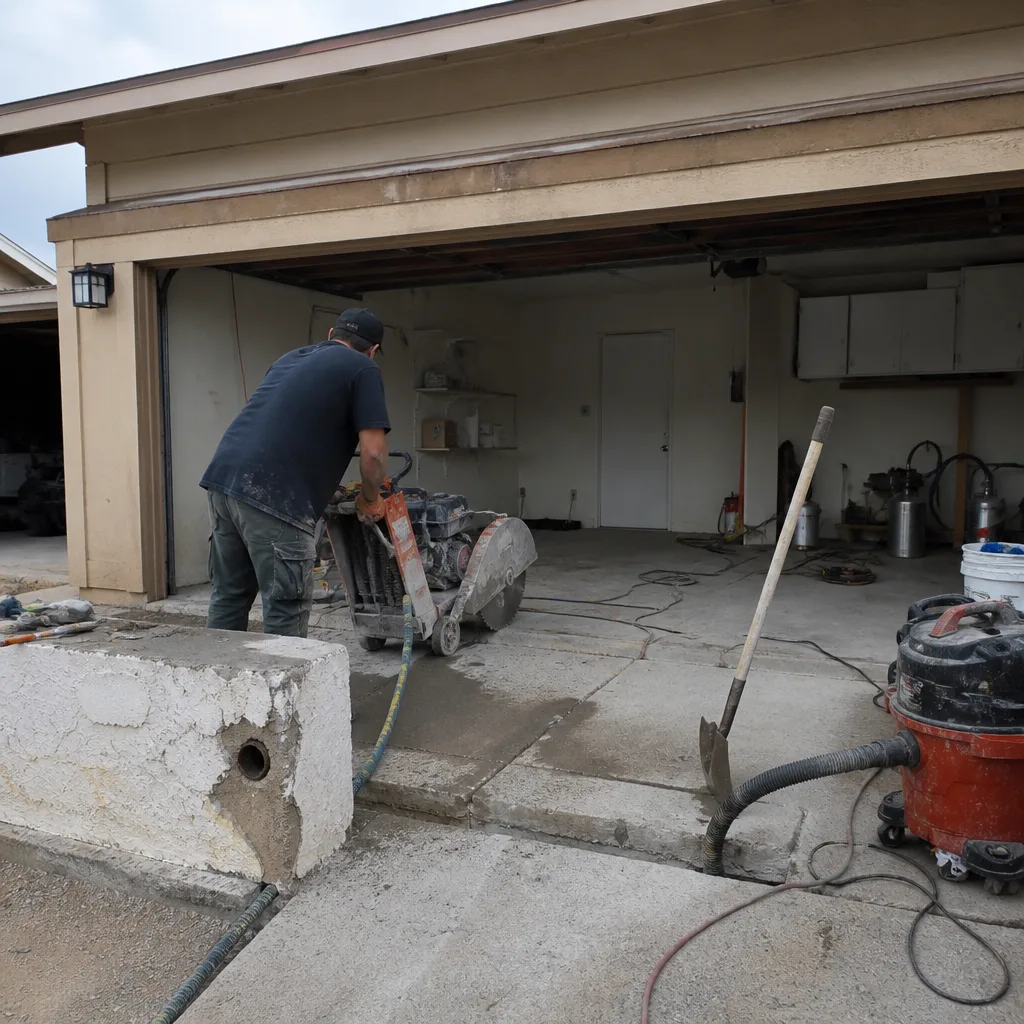 Before
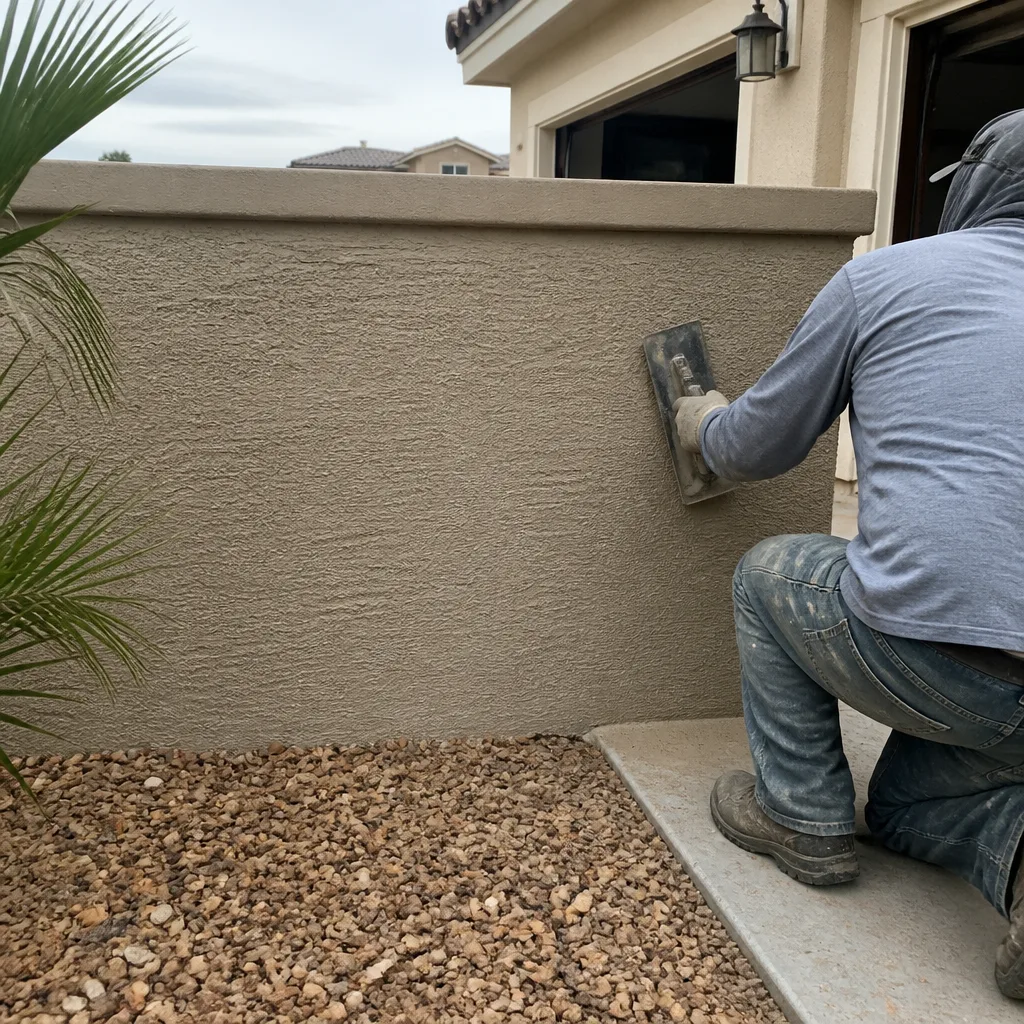 After
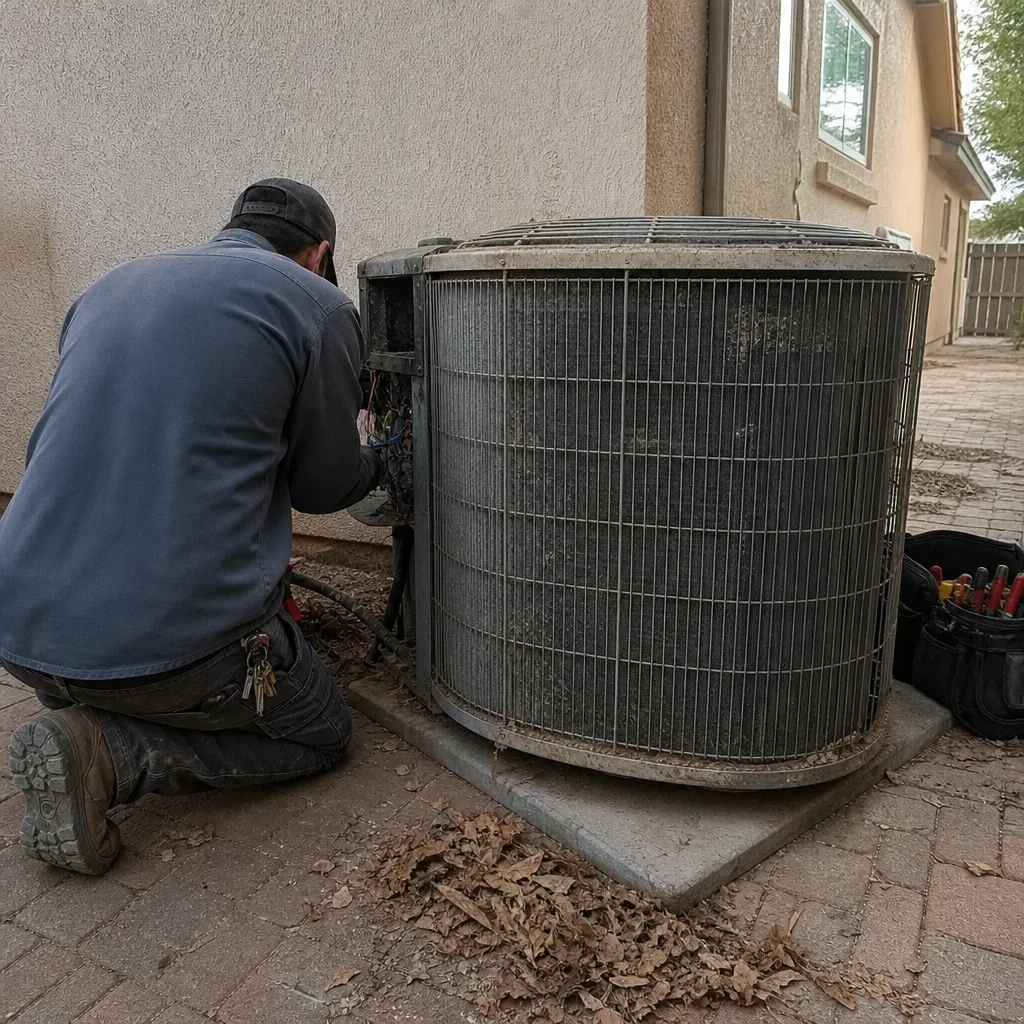 Before
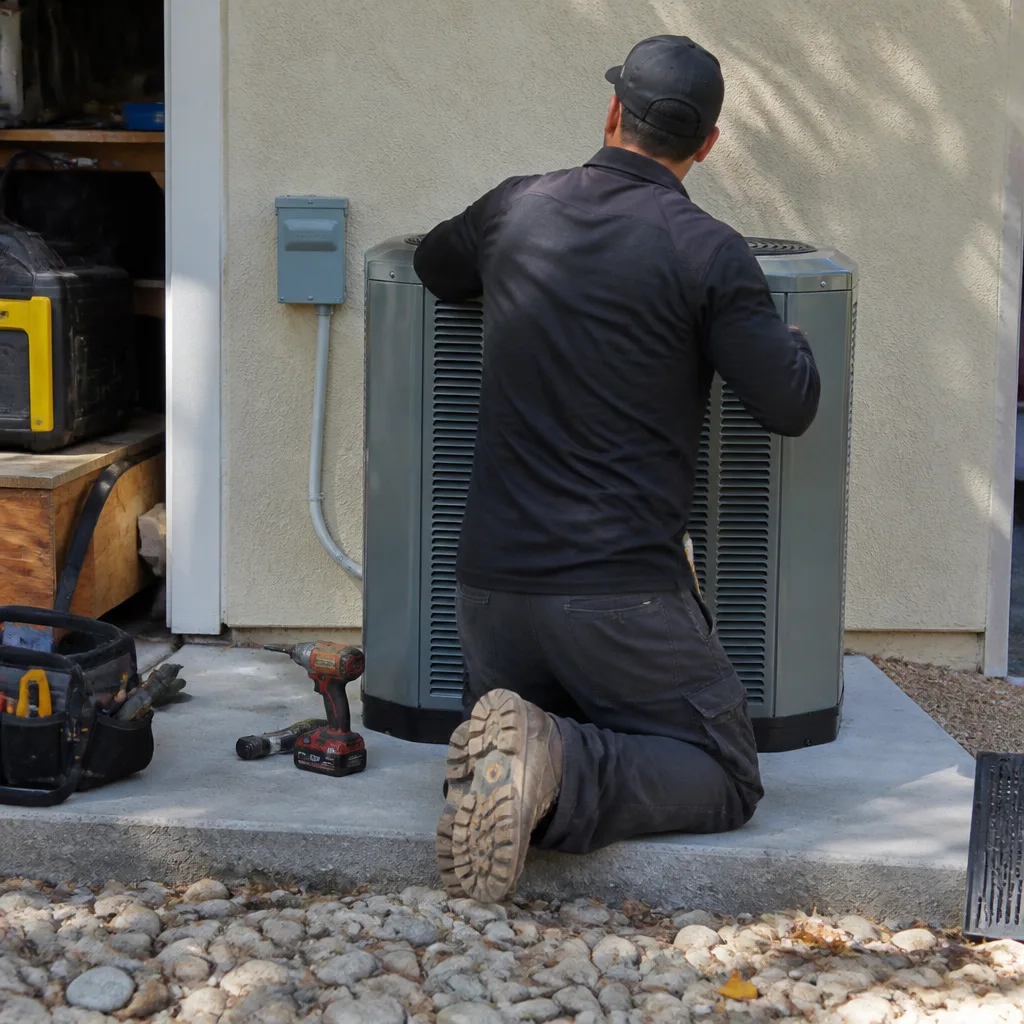 After
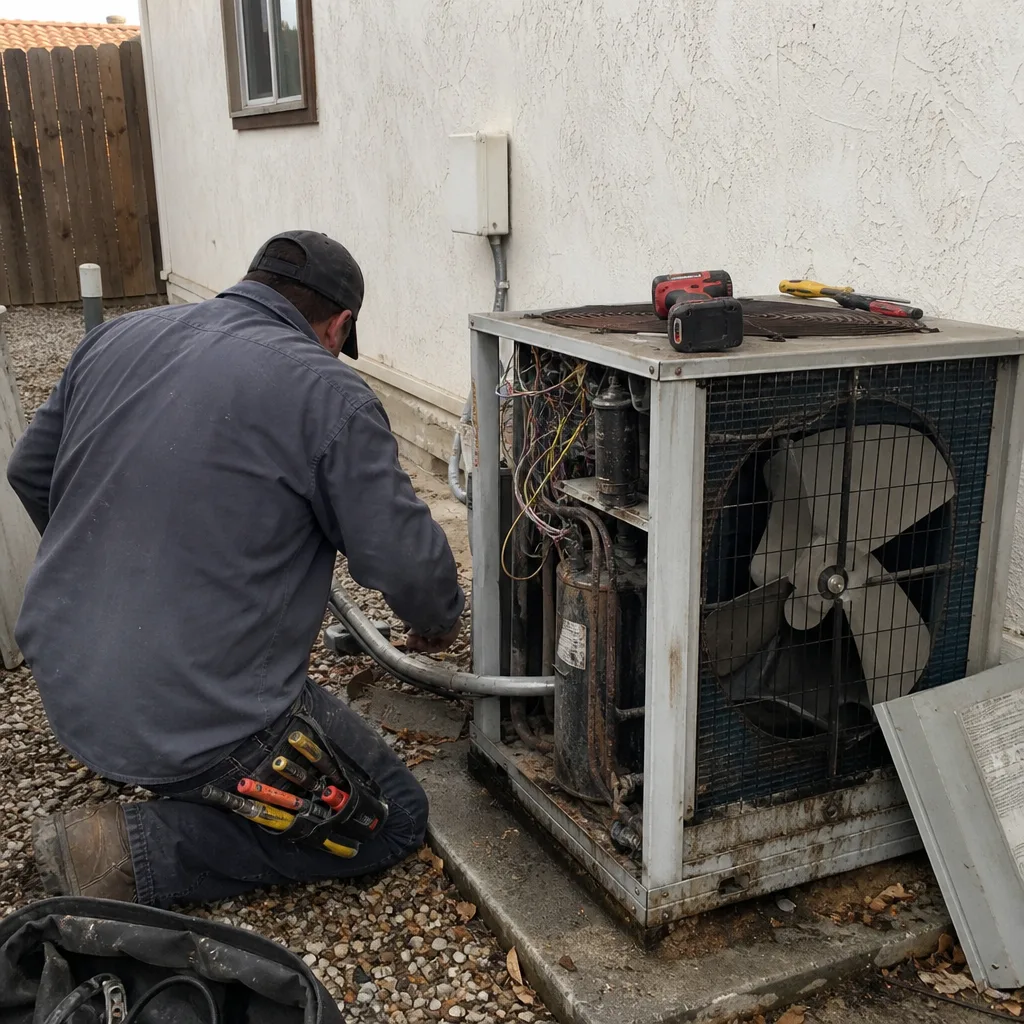 Before
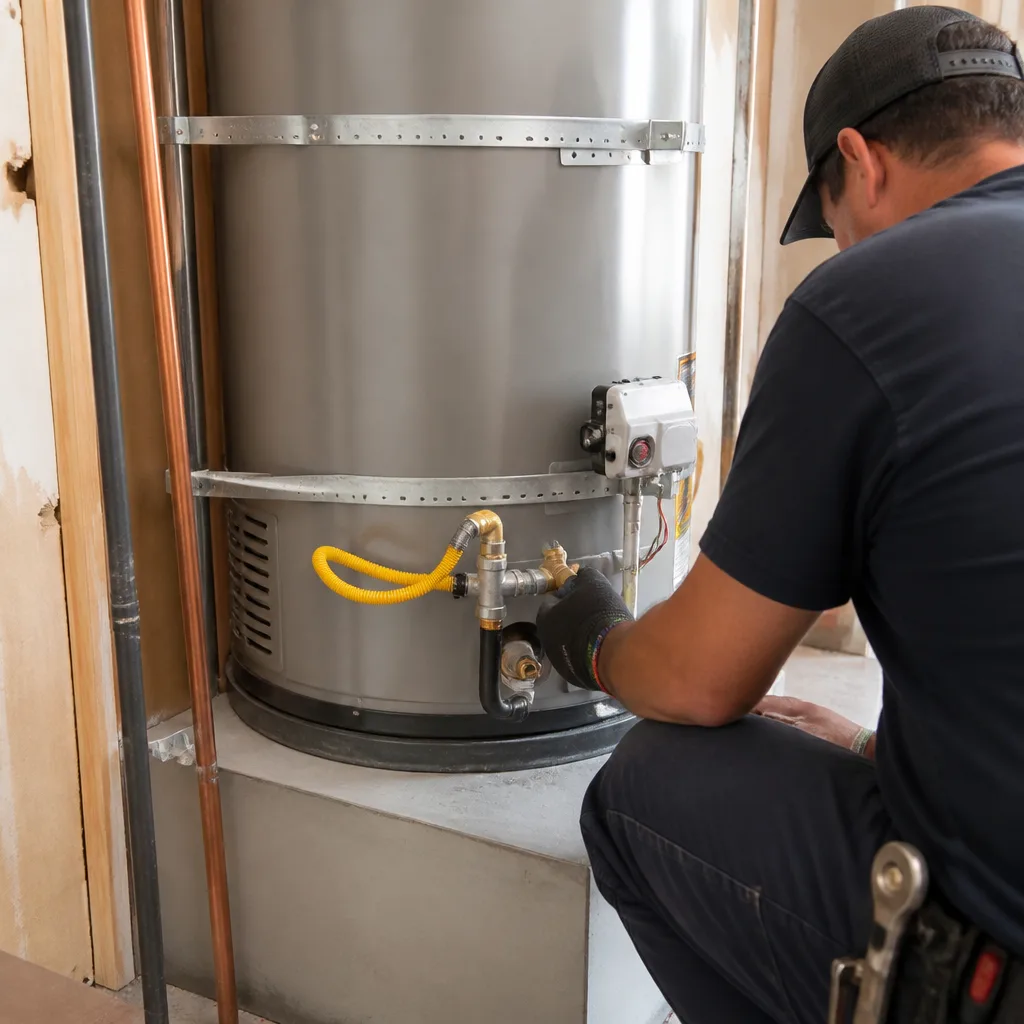 After