
Last updated October 31, 2026
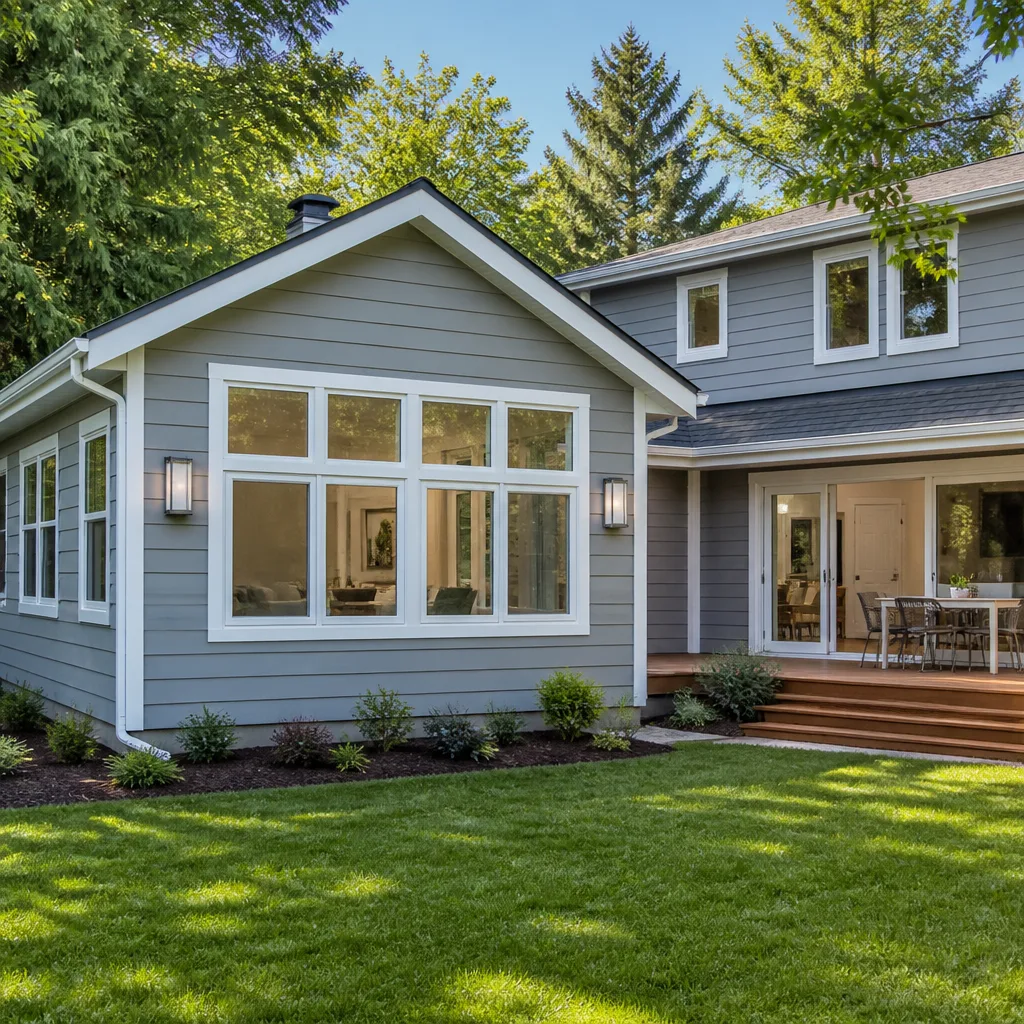 Home additions & ADU
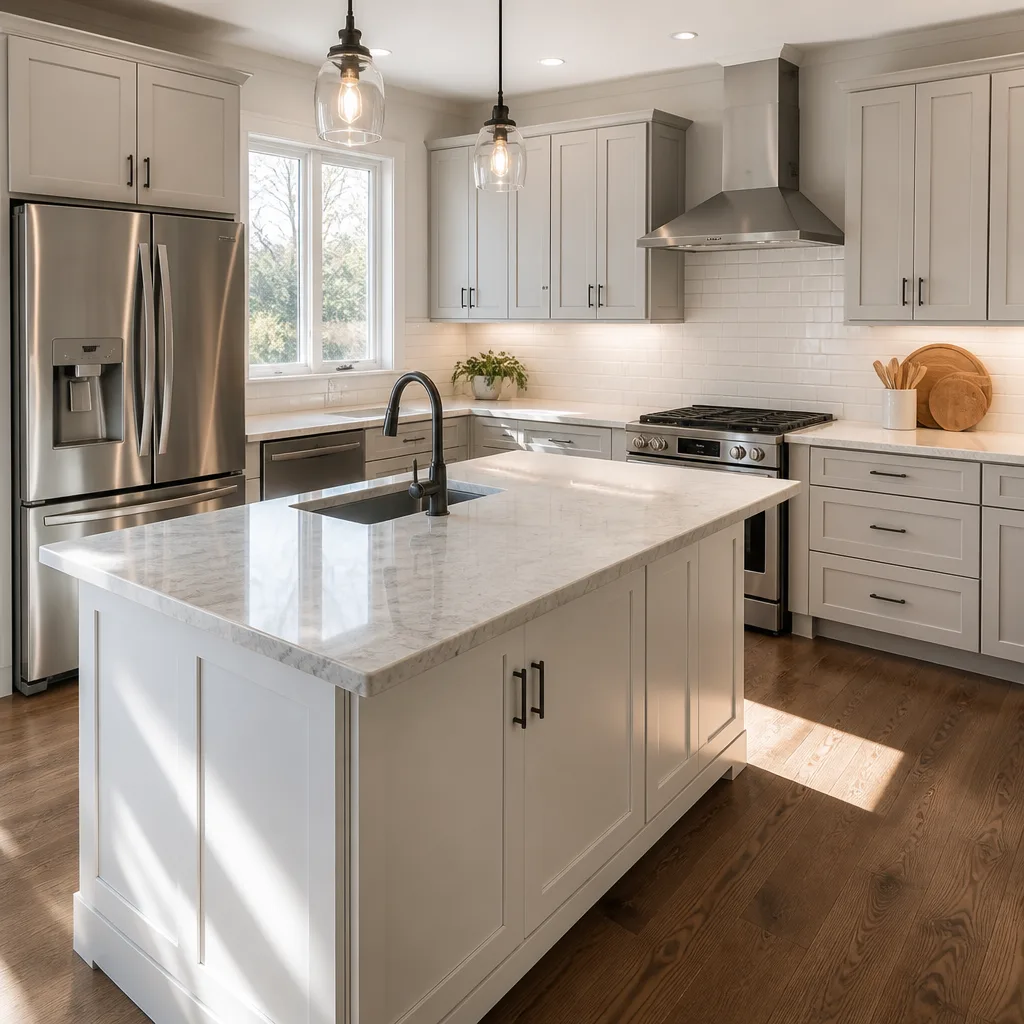 Kitchen remodeling
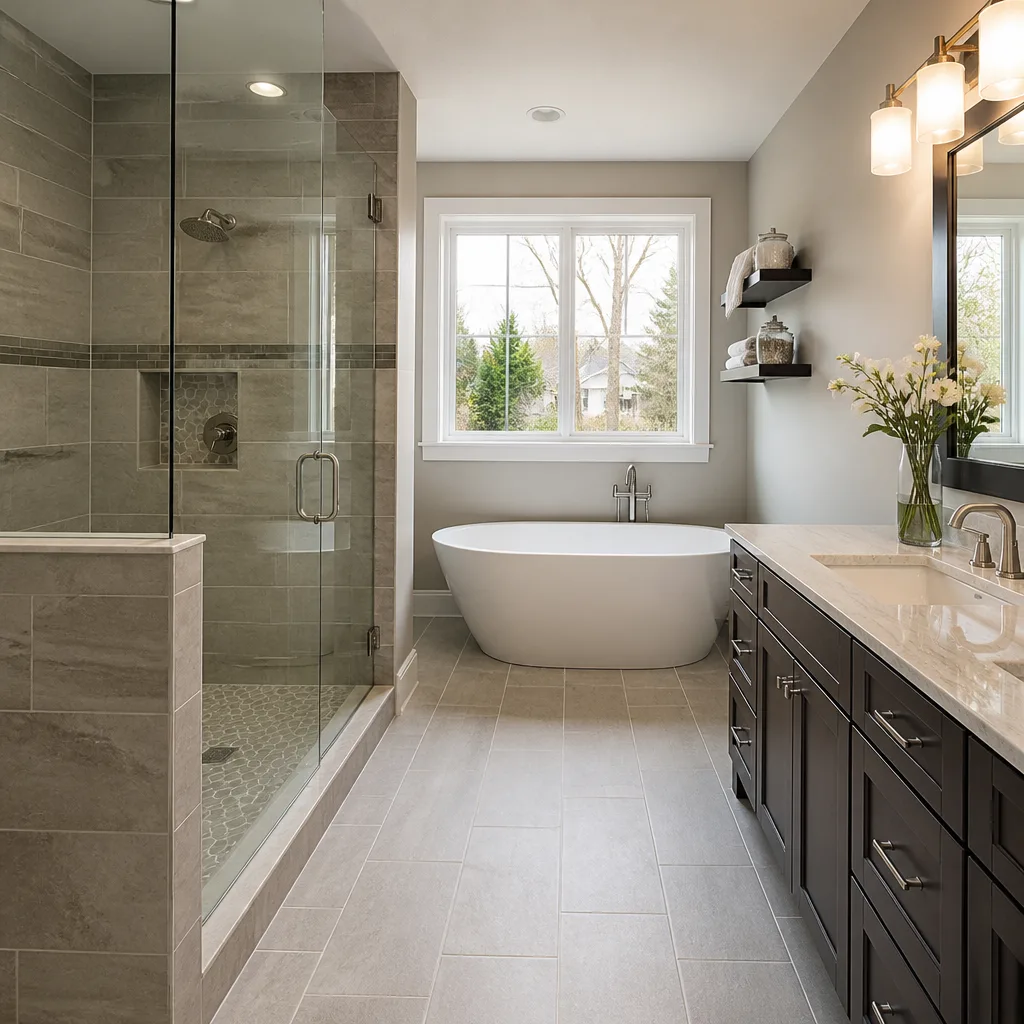 Bathroom remodeling
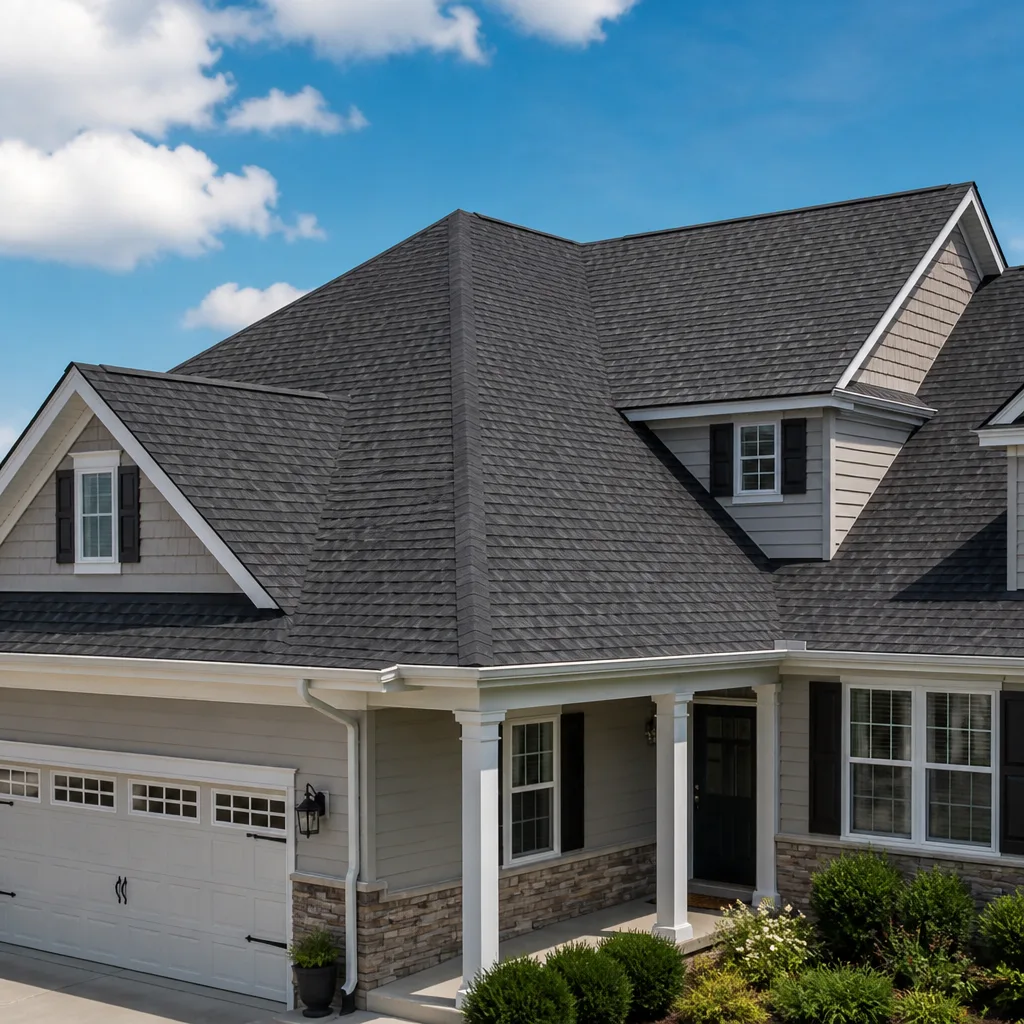 Roofing
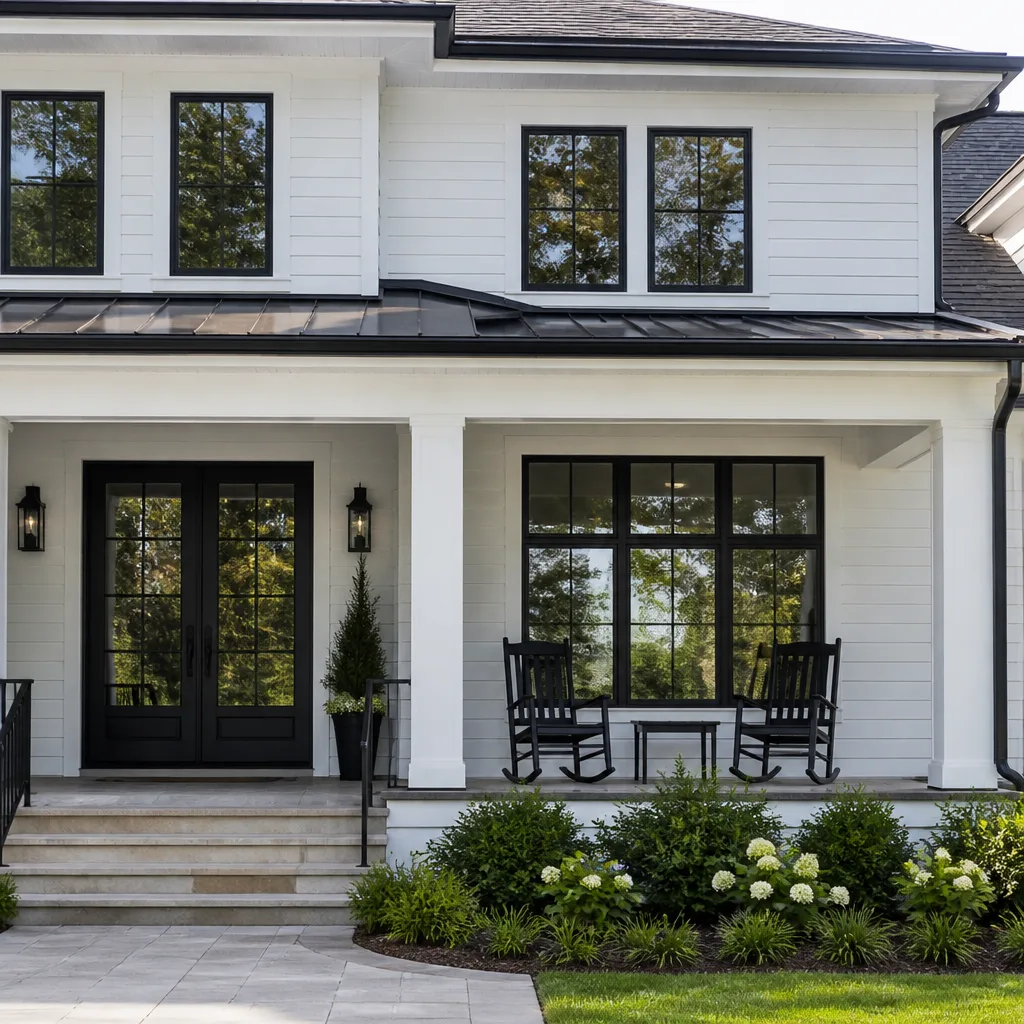 Windows & doors
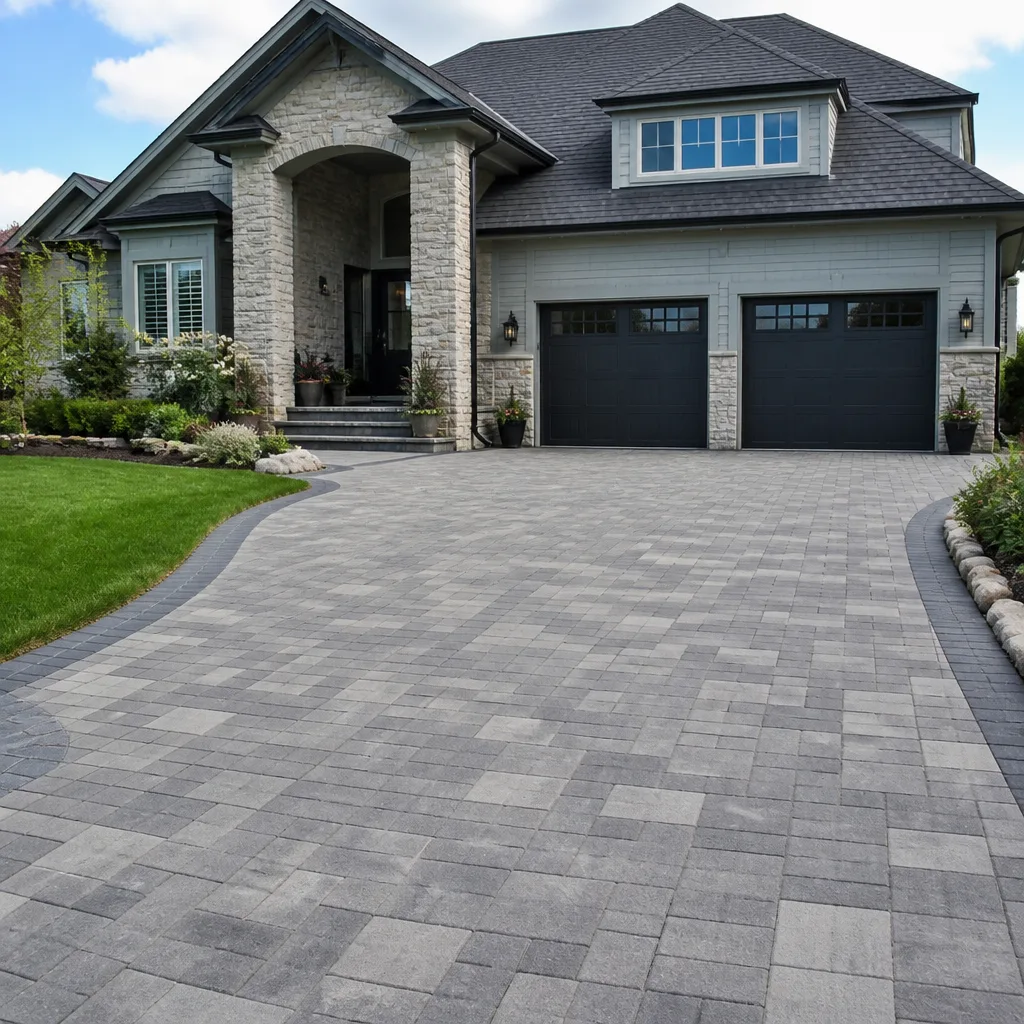 Driveway & pavers
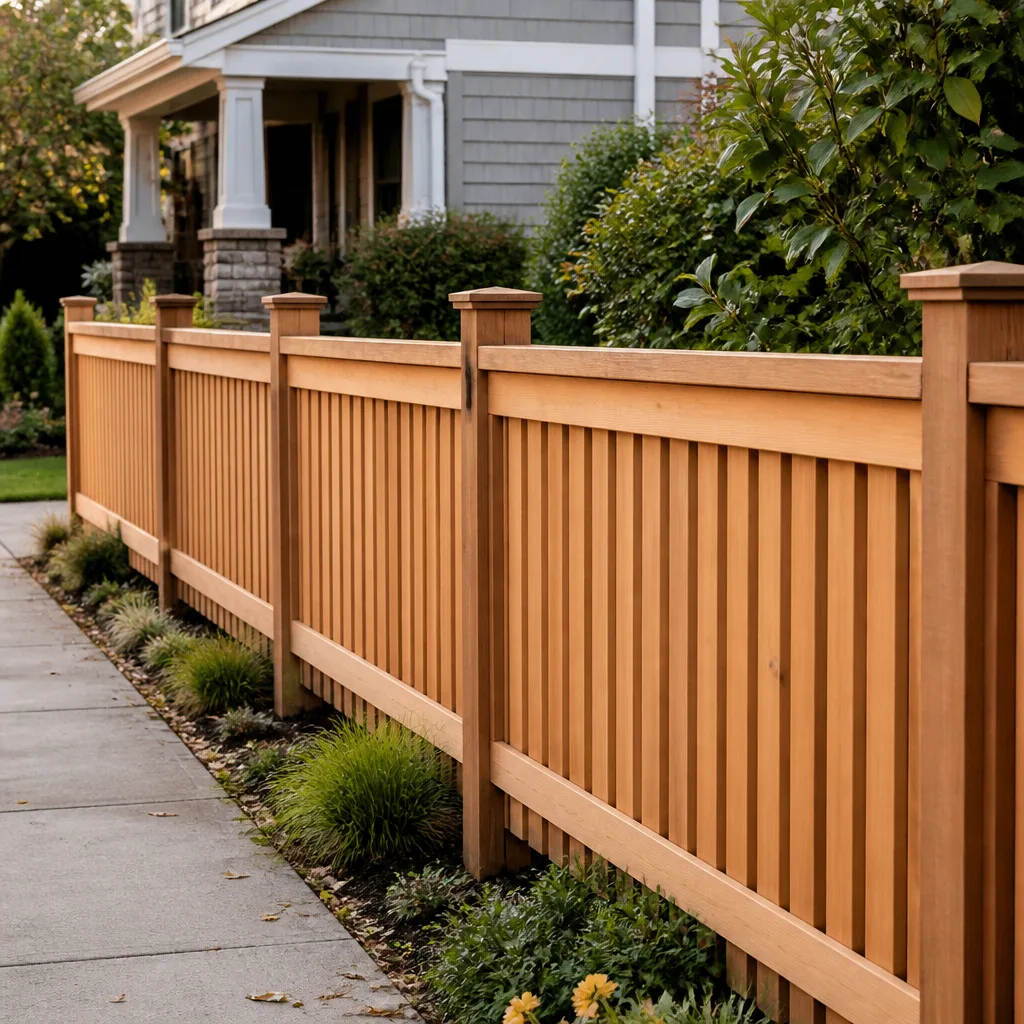 Fence
Free written scope consultation - allowances, timeline, and change-order rules on paper before a single trade is scheduled
Seasonal Construction Care for Paradise: Year-Round Homeowner’s Guide
Most homeowners in Paradise treat home maintenance like a monthly bill: they’ll get to it when it feels urgent. The problem is that by the time a roof leak shows up on your ceiling or a window seal fails visibly, the damage has already been compounding for months. Paradise doesn’t operate on the four seasons you see in other parts of Nevada. We get two construction-relevant weather phases: a brutal heat stretch where materials behave differently than manufacturers expect, and a monsoon surge that punishes every weak seal, crack, and joint on your property. This guide is built around those realities, not a generic maintenance calendar. You’ll learn when to schedule exterior work so it actually cures properly, what to inspect during months when you shouldn’t touch anything, and how to use Paradise’s windows of mild weather to protect the biggest investment you own.
Quick Answer
Seasonal construction care in Paradise NV revolves around two weather phases: extreme heat from June through September and monsoon storms in July and August, with a narrow spring window (mid-March through early May) and a fall window (October through November) that represent the only reliable periods for exterior sealing, coating, and roofing work. For a deeper look at planning around these phases, see The Complete Guide to Construction in Paradise. Homeowners should schedule sealant and coating projects between mid-March and early May, perform inspection-only checks during summer heat, address post-storm drainage and flat-roof issues immediately after monsoon events, and reserve winter months for interior remodels like cabinetry and countertop installation.
Styles & brands we work with
Table of Contents
- Spring: The 8-Week Sealant and Coating Window (March – May)
- Summer: Inspect, Don’t Repair (June – September)
- Monsoon Phase: Post-Storm Inspection Protocol (July – August)
- Fall: HVAC Transition and Roofing Scheduling (October – November)
- Winter: The Interior Remodel Season (December – February)
- Month-by-Month Maintenance Checklist
- Common Mistakes to Avoid
- When to Call a Professional
- Frequently Asked Questions
Spring: The 8-Week Sealant and Coating Window (March – May)
The single most important fact about exterior maintenance in Paradise is this: most sealants and coatings fail here because they’re applied when the substrate is too hot. A sealant applied to a surface at 110°F will skin over before it has time to bond properly. You get a seal that looks fine for three weeks, then separates along the edge, traps moisture, and fails within the first cure cycle. We see this pattern every single year in neighborhoods like Silverado Ranch and Green Valley: homeowners wait until summer to caulk windows and coat flat roofs, and the product never stands a chance.
The window for exterior sealing, coating, and caulking in Paradise runs roughly from mid-March through early May. That’s about eight weeks. Here’s what you should prioritize during this window:
- Flat-roof recoating: Acrylic and silicone roof coatings from manufacturers like GAF and CertainTeed require substrate temperatures below 90°F at the time of application. In Paradise, ground-level ambient temperatures cross that line by mid-May. Recoating a flat roof after that means working at night or accepting a compromised cure.
- Window and door caulking: The silica-based caulks used around window frames and door thresholds need a clean, dry, cool surface. Spring temperatures in the 70s and 80s are ideal. The same product applied in July bubbles and loses adhesion.
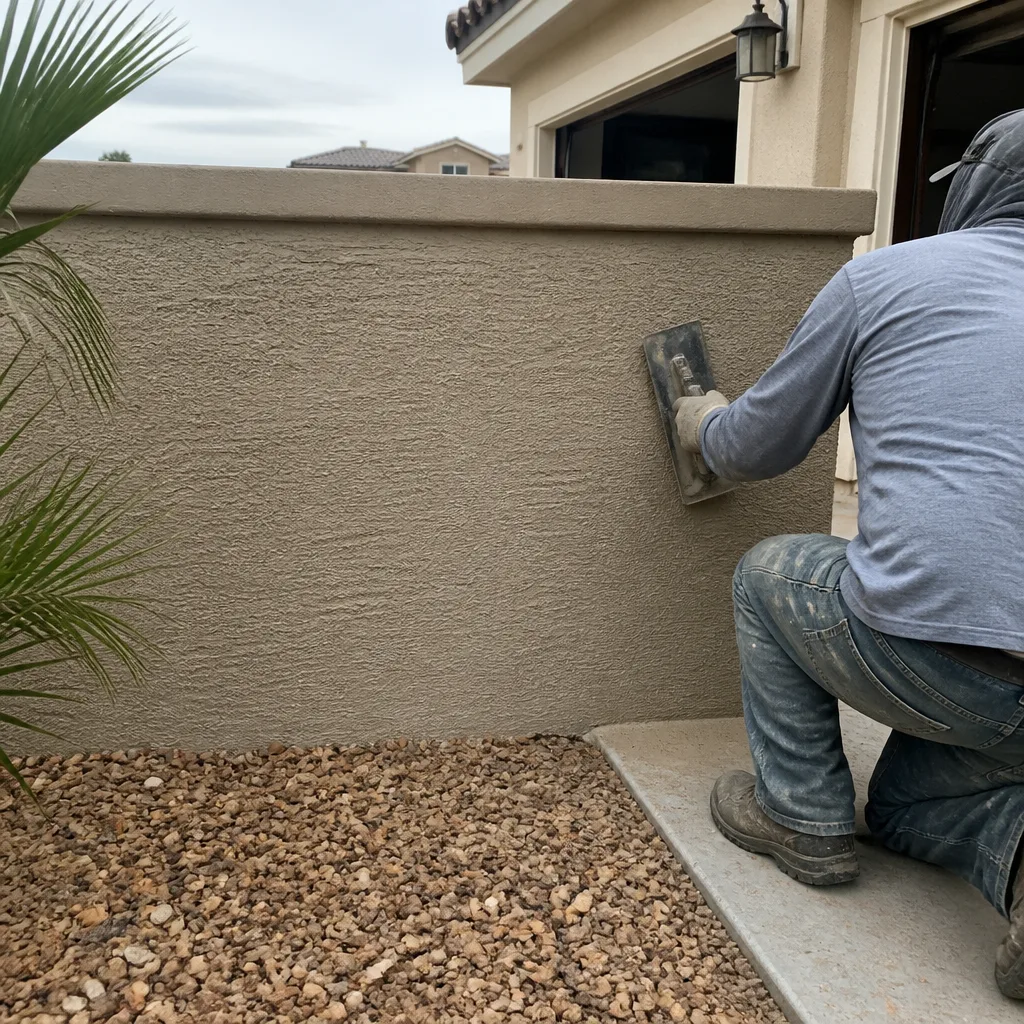
- Stucco repairs and elastomeric coating: Stucco cracks expand in heat. Sealing them in spring, before the first 100°F day, prevents water intrusion during the monsoon phase. Elastomeric coatings, which bridge hairline cracks, must be applied by early May or held until October.
- Paver sealing: Hardscape manufacturers like Belgard and Unilock specify sealant application when surface temperatures sit between 50°F and 90°F. Spring mornings in Paradise are perfect. Summer afternoons are not.
Schedule these projects in February or early March so the work lands inside the window. Contractors in Paradise book up fast for this period. Wait until you feel the first hot week in April, and you’re already behind.
Summer: Inspect, Don’t Repair (June – September)
From June through September, the construction conversation in Paradise changes. It stops being about what you should do and becomes about what you should look at. The heat changes how paint cures, how adhesives bond, how concrete sets, and how sealants flow. It also changes what’s worth doing to your house.
Here’s our rule for summer in Paradise: inspect everything, repair almost nothing.
Inspection items that matter during the heat phase:
- Roof surface scanning: The intense UV radiation in June through September breaks down roofing granules on shingles and degrades single-ply membranes on flat roofs. Look for exposed fiberglass matting on shingle edges and any whitish, chalky surface on flat-roof membranes. These are signs the roof is approaching end of life, but the repairs themselves should be scheduled for fall.
- Expansion joint monitoring: Stucco and concrete expand noticeably above 100°F. Watch your exterior walls for new hairline cracks that weren’t there in spring. Cracks wider than 1/8 inch in mid-summer indicate movement that needs professional evaluation in fall.
- Window and door alignment: Vinyl and aluminum frames warp slightly under sustained heat. If a door starts sticking or a window won’t fully latch in July, it may self-correct by November. If it’s still sticking when temperatures drop, the frame has permanently shifted and needs attention.
- Irrigation and drainage mapping: The summer heat is the ideal time to observe how your hardscape drains, because monsoons are coming. Run each irrigation zone, watch where water pools against the foundation or near paver edges, and note it. Correcting drainage before monsoon season is fall work, but knowing where the problems are is summer work.
The only summer repairs worth doing are true emergencies: a broken pipe, a blown-out window, a roof leak that’s actively admitting water. For those, speed matters more than timing. Everything else can wait for fall, and performing it now often costs more due to heat-related workarounds and lower product performance.
Monsoon Phase: Post-Storm Inspection Protocol (July – August)
Paradise’s monsoon season is brief but violent. Strong winds, flash rainfall, and blowing debris hit fast, and the damage they cause shows up slowly. A monsoon storm creates a test you can’t schedule: it forces every seal, flashing, drain, and joint on your home to handle more water in 30 minutes than it handles in six months of normal weather. Our experience with post-storm inspections in Paradise has taught us that the most expensive problems are the ones nobody looked for until winter.
After any storm that drops more than half an inch of rain, or any storm with wind above 40 mph, perform this three-part protocol:
- Flat-roof check: Walk (carefully, from a ladder or from inside an access hatch) or use binoculars to scan the entire flat-roof surface. Look for ponding water that isn’t draining, lifted membrane seams, and debris accumulation around scuppers and drains. The most common monsoon failure in Paradise is a clogged scupper that turns a quarter-inch of standing water into a 400-pound pond that finds every seam at once.
- Stucco and window flashing check: Walk the full perimeter of the house at ground level. Look for water staining below window sills, discolored stucco patches, and any bubbling or peeling paint that wasn’t there before the storm. These indicate water got behind the exterior surface and is trapped. Caught early, these issues are sealant fixes. Caught late, they become stucco removal and re-installation jobs.
- Hardscape drainage check: After the storm runs off, inspect paver joints, concrete seams, and the grade slope around the foundation. Water pooling against the foundation or sand washing out from between pavers indicates drainage failure. Every monsoon season in Paradise erodes poorly sloped hardscape a little more. Two or three seasons later, you have pavers that shifted and concrete that settled, and the repair is structural instead of cosmetic.
These three checks take about 30 minutes total. The damage they catch prevents repairs that take weeks and cost thousands.
Fall: HVAC Transition and Roofing Scheduling (October – November)
October and November are the second workable window of the Paradise construction year, and it’s the one most homeowners miss. By the time the first genuinely cool day arrives, the good contractors are already booked through the holiday season. If you want roofing work done this year, you need to be scheduling it in September and early October, not November.
What makes fall the right season for these projects:
- Roofing: Asphalt shingles from GAF, Owens Corning, or CertainTeed require warm-but-not-hot temperatures for proper thermal sealing. October in Paradise delivers exactly that: warm enough for the shingles to seal, cool enough that installers aren’t fighting heat exhaustion and product deformation. If your summer inspection revealed granule loss, exposed fiberglass, or flat-roof membrane degradation, book the replacement for October.
- Window weatherstripping: Fall is the time to test every window and exterior door for air leakage. The temperature differential between inside and outside becomes noticeable in November, and drafts you couldn’t feel in September become obvious. Replacing weatherstripping is a low-cost DIY project that pays for itself in HVAC efficiency before winter heating demand peaks.
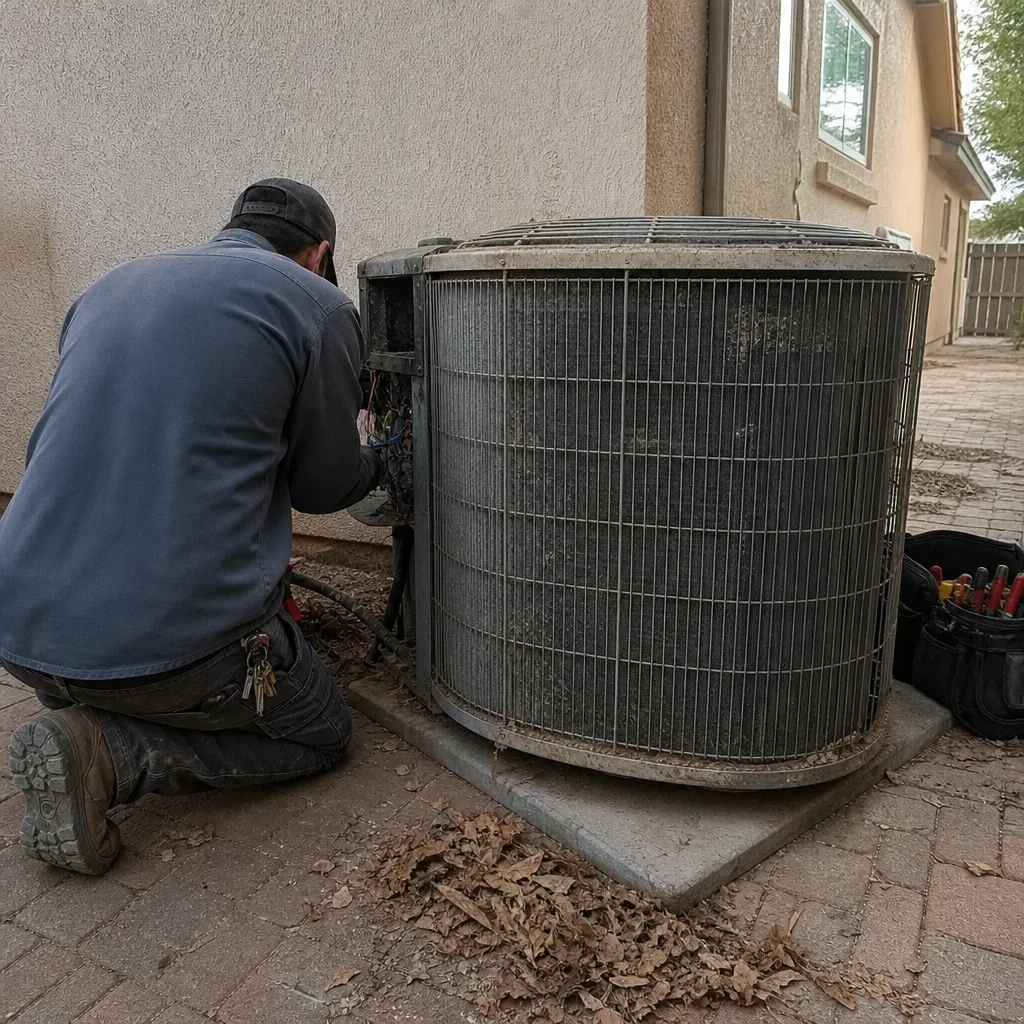
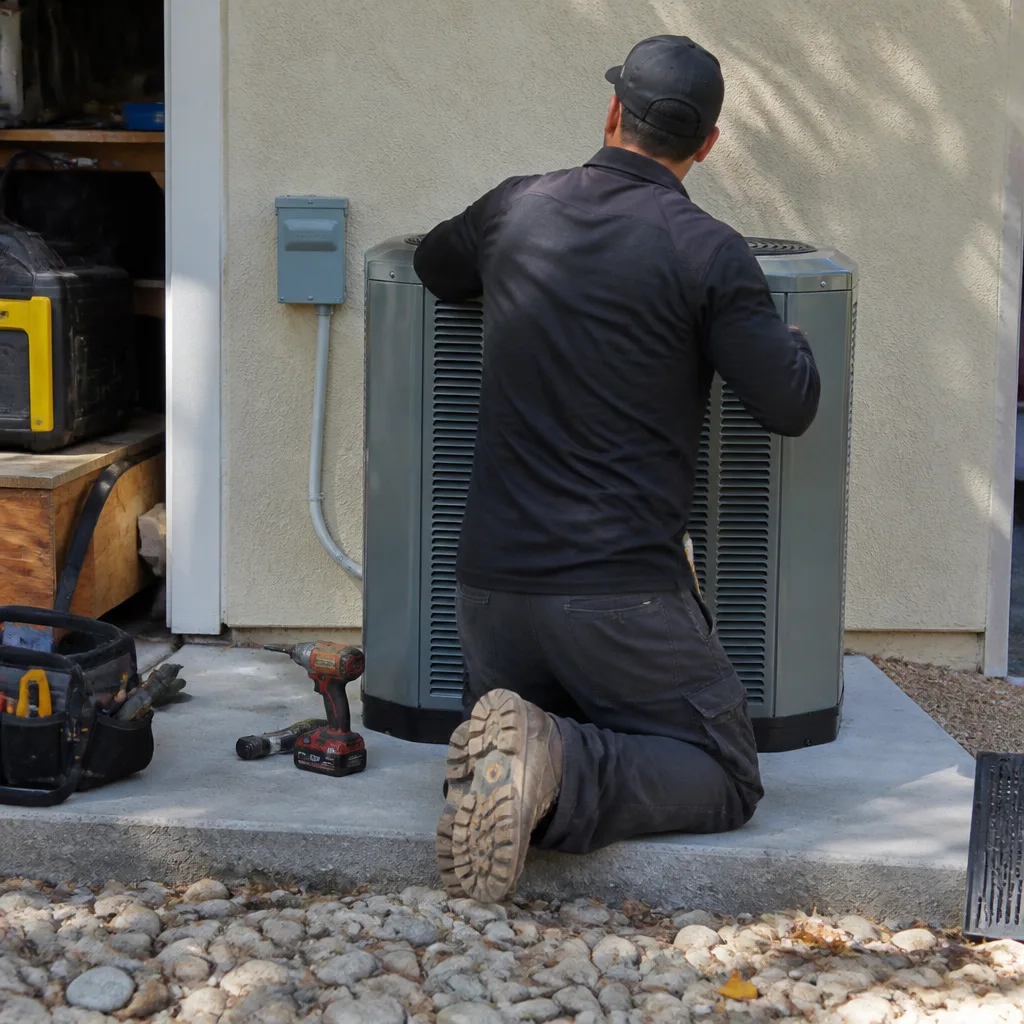
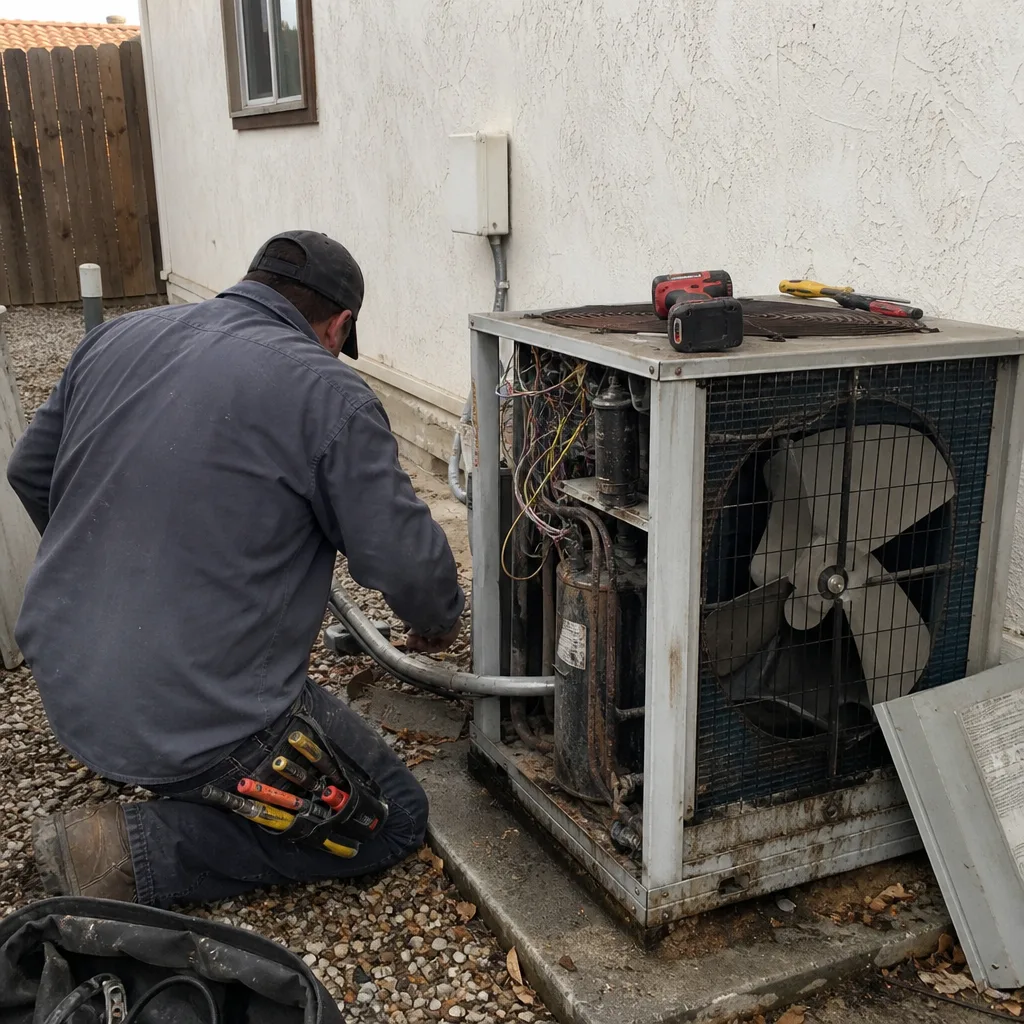
- HVAC transition: The changeover from cooling to heating is the best time to inspect your ductwork and air handler. Summer dust loads settle in ducts all season. Running heat through clogged ducts circulates particulates and reduces efficiency. A professional duct inspection and cleaning during the shoulder season keeps winter heating costs down.
- Siding and exterior paint: If your James Hardie siding shows cracks, warping, or caulk-line separation from the summer heat, fall is the repair window. Fiber-cement repairs in October cure at the right rate. Paint and sealant applications in fall perform similarly to spring applications, which means the fall window is your second chance if you missed the March – May window.
Plan backwards. If you want exterior work done in October, get estimates in August and sign a contract in September. The contractors worth hiring in Paradise are booked 6 to 8 weeks out during fall.
For homeowners considering larger-scope work, working with a general contractor in Paradise means one point of scheduling for roofing, siding, and window work that might otherwise require three separate trades with three separate calendars.
Winter: The Interior Remodel Season (December – February)
Winter in Paradise is the most underrated construction season, and it’s where we do some of our best work. While exterior projects wait for spring, indoor work continues at full speed. The mild winter temperatures mean interior remodels don’t fight the heat, materials arrive in better condition, and installers work more efficiently.
What winter is right for:
- Kitchen remodels: Cabinet installation from lines like KraftMaid or Wellborn, countertop fabrication and installation from Cambria, Silestone, or Caesarstone, and plumbing fixture work from Kohler or Grohe all happen indoors, in climate-controlled spaces. December through February is the ideal window for a full home remodeling project in Paradise because crews aren’t burning daylight on exterior sites and product lead times from manufacturers have stabilized after the fall rush.
- Bathroom overhauls: Tile installation, waterproofing, and shower system work (including Schluter system substrates) require consistent indoor humidity and temperature. Winter delivers that. The thinset cures evenly, the grout sets properly, and the silicone seals achieve full adhesion.
- Interior flooring and trim: Wood acclimates to indoor humidity levels, and trim work that’s cut and installed in winter won’t experience the heat-shock movement that causes gaps and nail pops when summer returns.
- Prefab and ADU planning: If you’re considering a prefab ADU or accessory structure, winter is the time to design and permit it. Working with brands like Abodu or Plant Prefab involves design approvals, site planning, and permitting that can take 8 to 12 weeks. Starting in January means site work can begin in spring, when Paradise’s construction weather turns favorable.
The one caveat: exterior work that requires cutting, sealing, painting, or coating should stay parked until March. Interior work is fair game all winter. If your project crosses both, the right general contractor will sequence it that way automatically.
Full-scale home renovation in Paradise works best when you plan the interior scope for winter and the exterior scope for spring or fall. That sequencing is exactly what a single-contractor approach delivers.
Month-by-Month Maintenance Checklist
Here is the complete year at a glance. Post this somewhere you’ll see it.
January
- Schedule spring exterior work: flat-roof coating, window caulking, stucco repair, paver sealing
- Start cabinet and countertop selections for kitchen or bath remodels
- Review December heating bills; unexplained increases suggest duct leakage or weatherstripping failure
February
- Book spring contractors; the good ones fill their March – May calendars now
- Order material samples for spring and winter projects
- Inspect attic insulation and ventilation while temperatures are mild
March
- Begin exterior sealant and coating work as soon as daytime highs stay below 90°F
- Schedule flat-roof recoating
- Perform spring irrigation system check and adjust drainage if needed
April
- Complete exterior caulking and sealing before ground temperatures hit 95°F
- Verify all window and door seals; repair any that failed over winter
- Inspect roof granules and flashing before summer UV exposure begins
May
- Finish any remaining exterior work by mid-May
- Service the HVAC system before cooling demand peaks
- Clean and inspect gutters and downspouts before monsoon season
June
- Inspect-only mode begins; no exterior repairs unless emergency
- Monitor expansion joints and stucco for heat-related movement
- Confirm irrigation drainage is directing water away from the foundation
July
- Post-storm inspection after any monsoon event with heavy rain or wind
- Check flat-roof scuppers and drains for debris after every storm
- Watch for ponding water on any flat surface within 48 hours of rain
August
- Continue post-storm protocol; document any water staining or lifted seals
- Start budgeting for fall roofing work if summer inspections found granule loss
- Schedule fall contractors; October slots fill fast
September
- Get formal estimates for roofing, siding, and exterior paint projects
- Sign contracts for October work
- Begin window weatherstripping test as temperatures begin to drop
October
- Execute roofing replacements and exterior paint projects
- Repair siding and flashing issues identified in summer inspections
- Complete duct cleaning and HVAC transition to heating mode
November
- Finish any remaining exterior work before holiday shutdowns
- Verify all weatherstripping and door seals are intact for winter
- Start design and permitting work for winter interior remodels or ADU projects
December
- Interior remodel season begins: kitchens, bathrooms, flooring, trim
- Cabinet, countertop, and plumbing fixture installations are ideal now
- Monitor attic and roofline after any rare freeze events
For a deeper view of how these seasonal tasks fit into a broader strategy, the Ellsworth Contractors home page explains our approach to sequencing projects across a full year, keeping a single point of accountability on every system from roofline to paver.
Common Mistakes to Avoid
- Sealing in summer: The fastest way to waste money on exterior maintenance in Paradise is applying sealant or coating when the surface temperature exceeds 90°F. The product skins over, fails to bond, and you pay for it twice: once for the failed application, once for the removal and reapplication in spring.
- Skipping post-storm inspections: Monsoon damage that’s invisible in July becomes a $5,000 stucco repair in January. The 30-minute walkaround after each storm is the cheapest insurance a Paradise homeowner can buy.
- Waiting until November to book fall work: Roofing contractors and exterior painters in the Las Vegas Valley book 6 to 8 weeks out starting in September. By November, the shoulder season is over and you’re either paying a premium or waiting until spring.
- Treating flat-roof ponding as normal: Ponding water that remains 48 hours after rain is structural stress, not an inconvenience. A flat roof in Paradise should drain completely within 24 to 48 hours of a monsoon. Anything longer means your scuppers are clogged, your slope has failed, or your membrane has sagged.
- DIY-ing window flashing repairs: Window flashing failures after monsoon storms look simple from the outside. They aren’t. The correct fix usually requires removing exterior trim, replacing the flashing membrane, and reinstalling the window. A caulk gun over the top of failed flashing traps water inside the wall cavity and accelerates rot.
- Ignoring fall weatherstripping: A 1/16-inch gap around a single exterior door lets as much air escape as a 6-by-6-inch hole in the wall. Multiply that across every door and window in a Paradise home, and winter heating costs climb 10 to 15 percent for a fix that costs under $100 in materials.
When to Call a Professional
Some seasonal work is genuinely DIY-friendly: swapping weatherstripping, cleaning gutters, painting an interior room. Other work crosses into professional territory quickly. You need a licensed contractor when a roof shows granule loss or membrane cracking that requires full replacement, when stucco damage extends deeper than a cosmetic crack, when hardscape drainage problems have already caused paver shifting or concrete settlement, when window or door flashing has failed and water has entered the wall cavity, or when an interior remodel involves plumbing, electrical, or structural changes. These projects involve permits, inspections, and product knowledge that only comes from working with specified materials from Choosing the Right Construction Brand: A Buyer’s Guide for Paradise, not guesswork. Ellsworth Contractors offers free estimates in Paradise – call (888) 445-6077 to discuss your seasonal maintenance calendar or a full remodel scope.
Frequently Asked Questions
The best time to seal or coat exterior surfaces in Paradise is between mid-March and early May, when daytime temperatures stay below 90°F and allow products like elastomeric coatings, caulks, and roof coatings to cure correctly. You can call (888) 445-6077 for an exact project timeline tailored to your home’s exterior materials and current condition.
Most flat roofs in Paradise need recoating every 5 to 7 years, depending on sun exposure and storm frequency. Our team inspects for membrane thinning and granule loss during the spring window, then schedules recoating when the roof is 70-80% through its coating lifespan rather than waiting for visible failure.
You can perform emergency exterior repairs during summer in Paradise, but routine maintenance should wait for cooler weather. Sealants, paints, and coatings applied above 90°F substrate temperatures cure improperly and fail prematurely, so the summer months are better spent on inspection and documentation than on repair work.
After a monsoon storm in Paradise, check three things: flat-roof surfaces for ponding water and lifted seams, stucco and window flashing for water staining and bubbling, and hardscape drainage for pooling against the foundation or paver washout. If you find water intrusion behind stucco or flashing, call (888) 445-6077 for a free evaluation before the water damage spreads.
Winter is the ideal time for kitchen remodels in Paradise because cabinet, countertop, and fixture installation all happen indoors in climate-controlled conditions, avoiding the heat-related material stress that affects summer work. Products from brands like KraftMaid, Cambria, and Kohler install more predictably in winter temperatures.
Paradise properties can accommodate a range of prefab ADU structures, including designs from partners like Abodu, Dvele, Mighty Buildings, and Plant Prefab. These structures expand what your property can do by adding livable square footage without a full stick-built addition, and they’re typically planned and permitted during winter months so site work aligns with spring construction weather.
The Bottom Line
Paradise homes reward homeowners who respect the construction calendar. Seal and coat exteriors in the spring window, inspect without repairing during summer heat, treat monsoon storms as the quality-control tests they are, book fall roofing and siding work before the holiday rush, and reserve winter for the interior remodels that benefit from stable indoor conditions. This isn’t a maintenance schedule for a generic climate. It’s built around two construction-relevant weather phases that punish generic advice. Understanding them, and sequencing your projects accordingly, is the difference between a home that lasts 30 years and one that needs major work at 15. From roofline to paver, the homes in Paradise that hold their value are the ones maintained on the climate’s schedule, not the homeowner’s convenience.
Written by the team at Ellsworth Contractors, serving Paradise since 2014.
See the difference
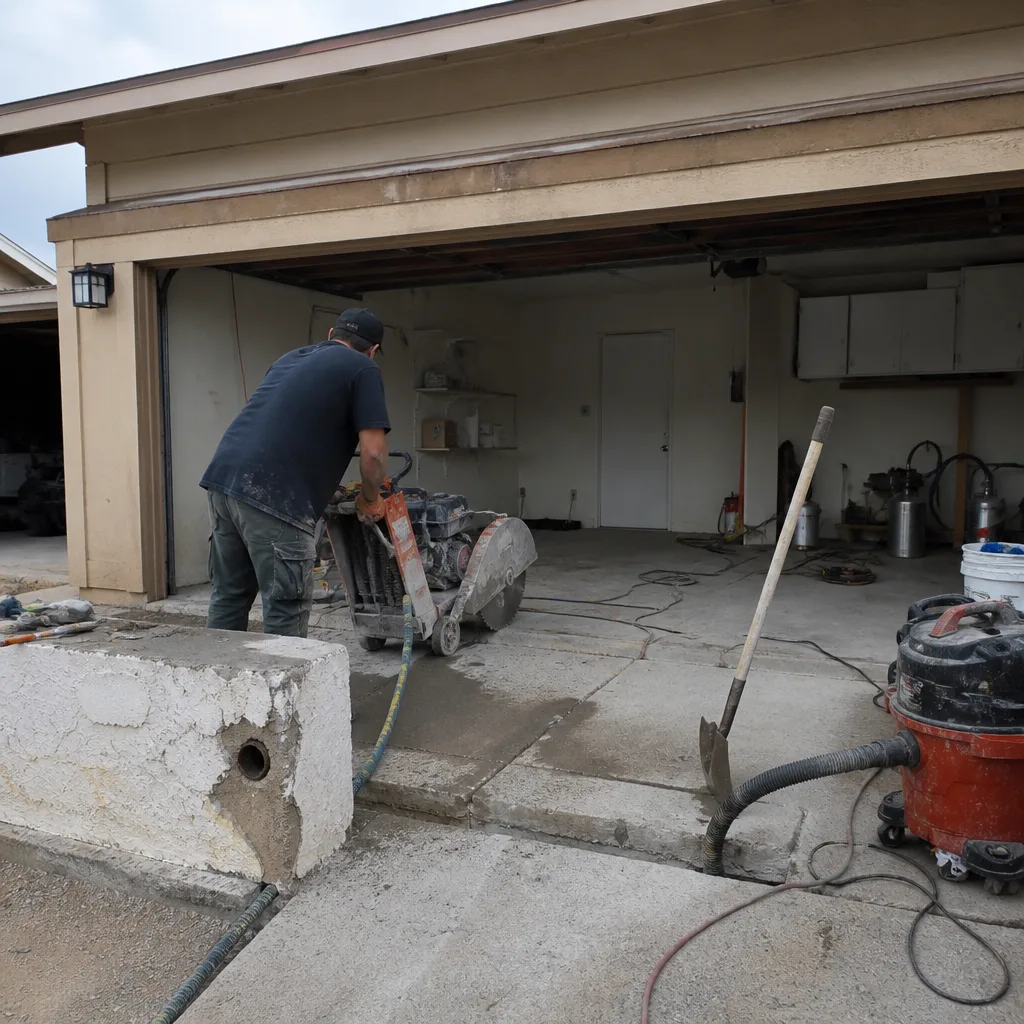 Before
 After
 Before
 After
 Before
 After