
Last updated October 31, 2026
 Home additions & ADU
 Kitchen remodeling
 Bathroom remodeling
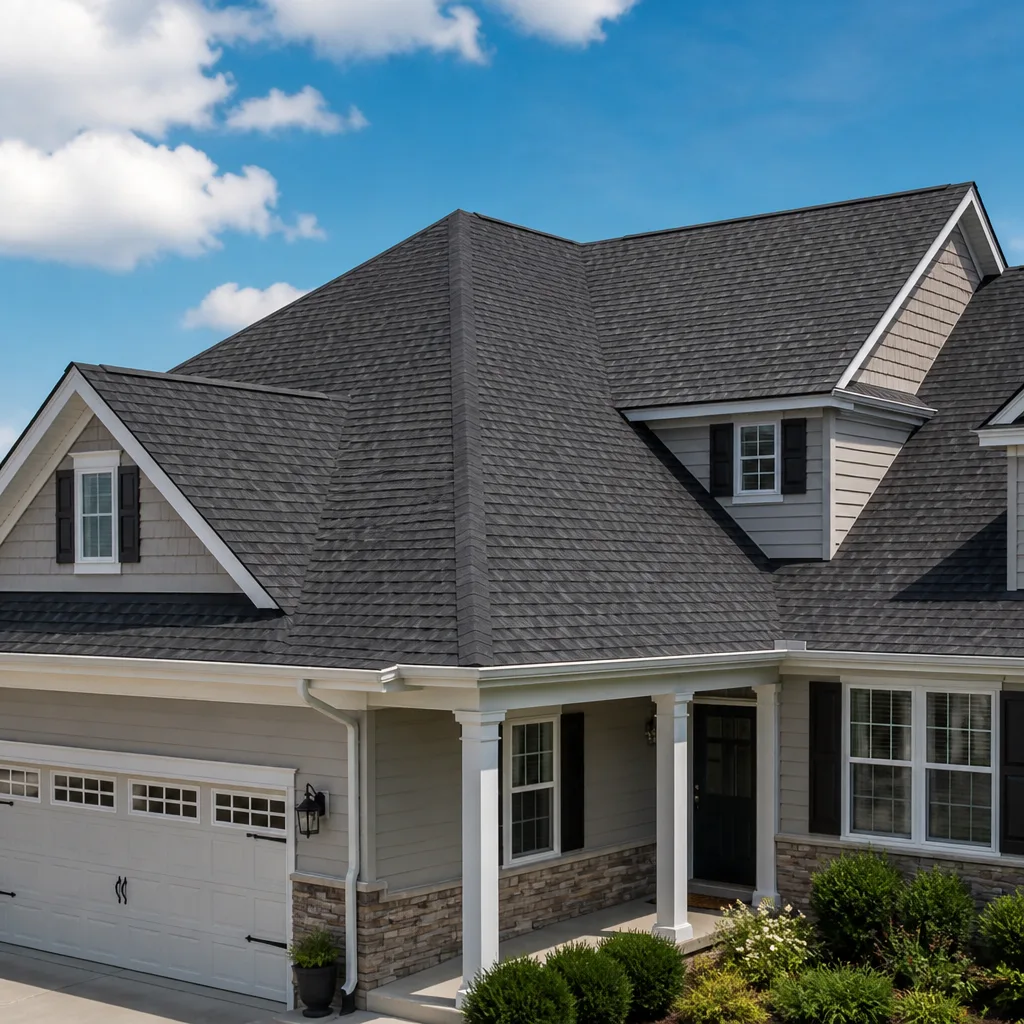 Roofing
 Windows & doors
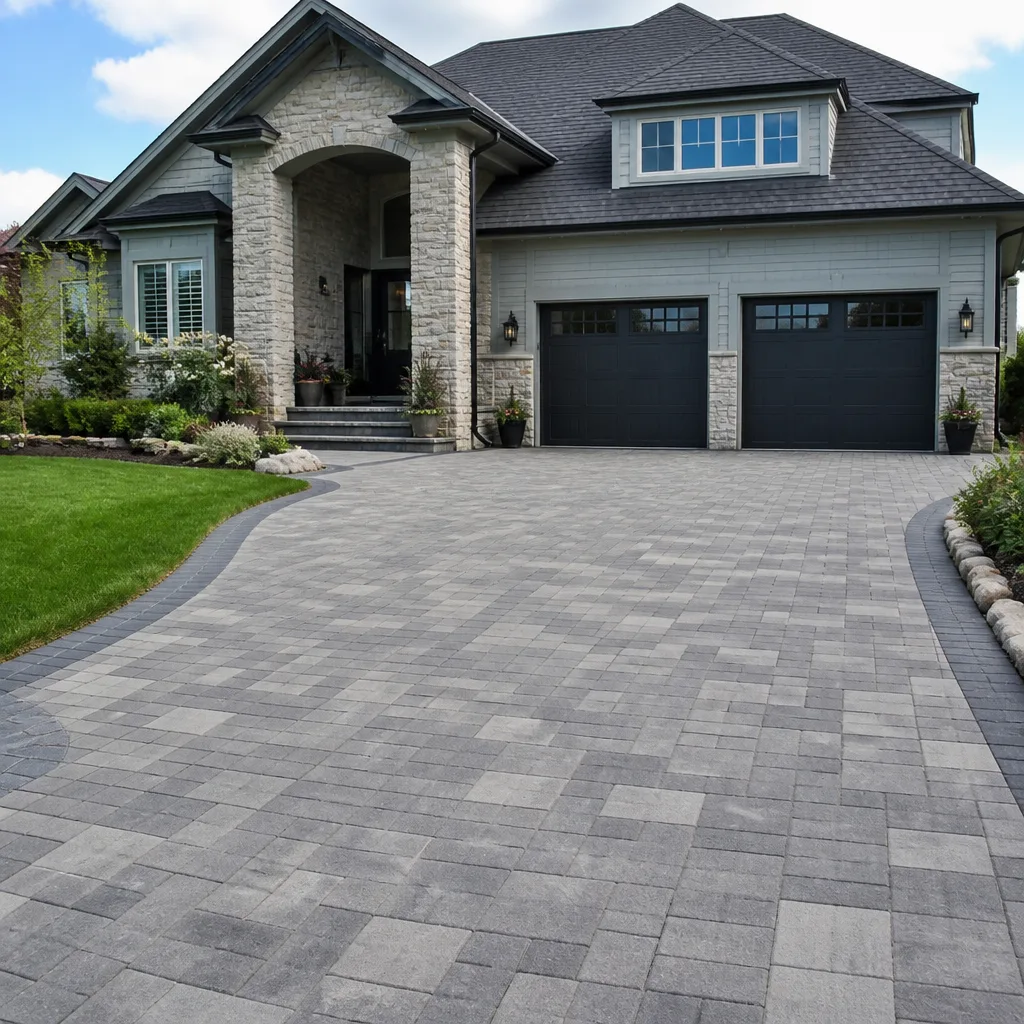 Driveway & pavers
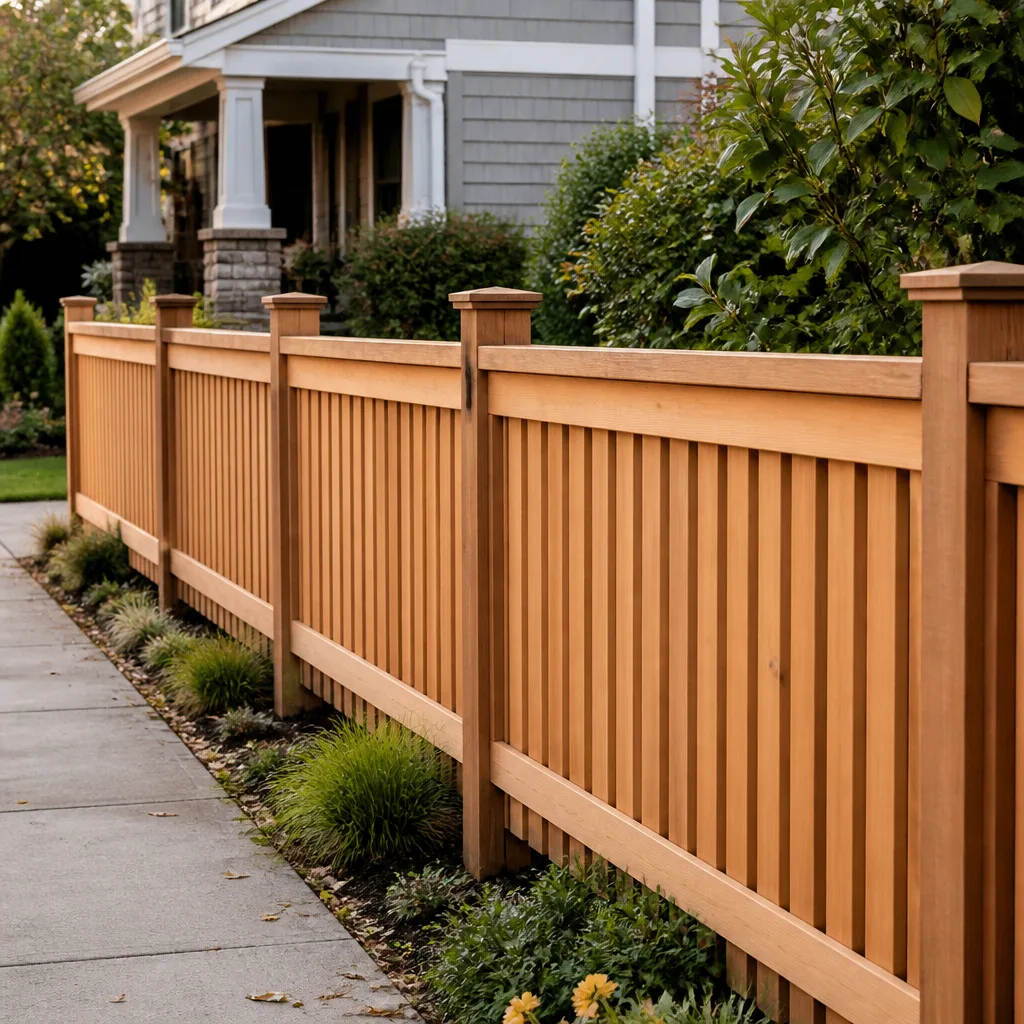 Fence
Free written scope consultation - allowances, timeline, and change-order rules on paper before a single trade is scheduled
Construction Emergency Preparedness Guide for Paradise Homes
When a monsoon storm drops two inches of rain in forty minutes and your flat roof gives way at 11 PM, you don’t have time to start figuring out what your roof is made of, how old it is, or who installed it. The difference between a two-hour emergency patch and a three-day interior flood in Paradise comes down to one thing: whether your contractor already knows your roof’s age, underlayment type, and drain locations before they arrive. Most homeowners never gather this information until they’re standing in water. This guide walks you through building a pre-documented home inventory that lets any contractor act immediately when a construction emergency hits your Paradise home.
Styles & brands we work with
Quick Answer
Construction emergency preparedness for Paradise homes means documenting your roofing system, HVAC equipment, window and door specifications, and structural history before anything fails. The three emergencies Paradise homeowners face most are monsoon roof breaches, HVAC collapse during triple-digit heat, and structural damage from seismic activity. Homeowners who recover fastest keep a one-page construction inventory on file plus current photos, permit records, and material specs that let contractors skip the discovery phase and start repairs the same day.
Table of Contents
- How to Build a Home Construction Inventory Document
- Paradise-Specific Emergency Scenarios and First-Response Protocols
- Insurance Documentation Best Practices for Clark County Homeowners
- Emergency Contractor Selection Criteria Under Pressure
- Temporary Repair Standards That Preserve Insurance Claims
- Why Material Specifications Matter in an Emergency
- Common Mistakes to Avoid
- When to Call a Professional
- Frequently Asked Questions
- The Bottom Line
How to Build a Home Construction Inventory Document
The single most useful document you can create for your Paradise home is a one-page construction inventory that lists every major system, its material type, manufacturer, install date, and any relevant model numbers. Emergency contractors use this document to bring the right materials on the first trip. Without it, they’re guessing. With it, they’re executing.
Here’s what your inventory needs to capture, room by room and system by system:
- Roofing system: Material type (tile, shingle, flat membrane, foam), manufacturer and product line if known, installation date, original installer, underlayment type, and drain or scupper locations for flat roofs. If you have a GAF, CertainTeed, or Owens Corning shingle roof, note the exact product name. If you don’t know, the permit record from install will list it.
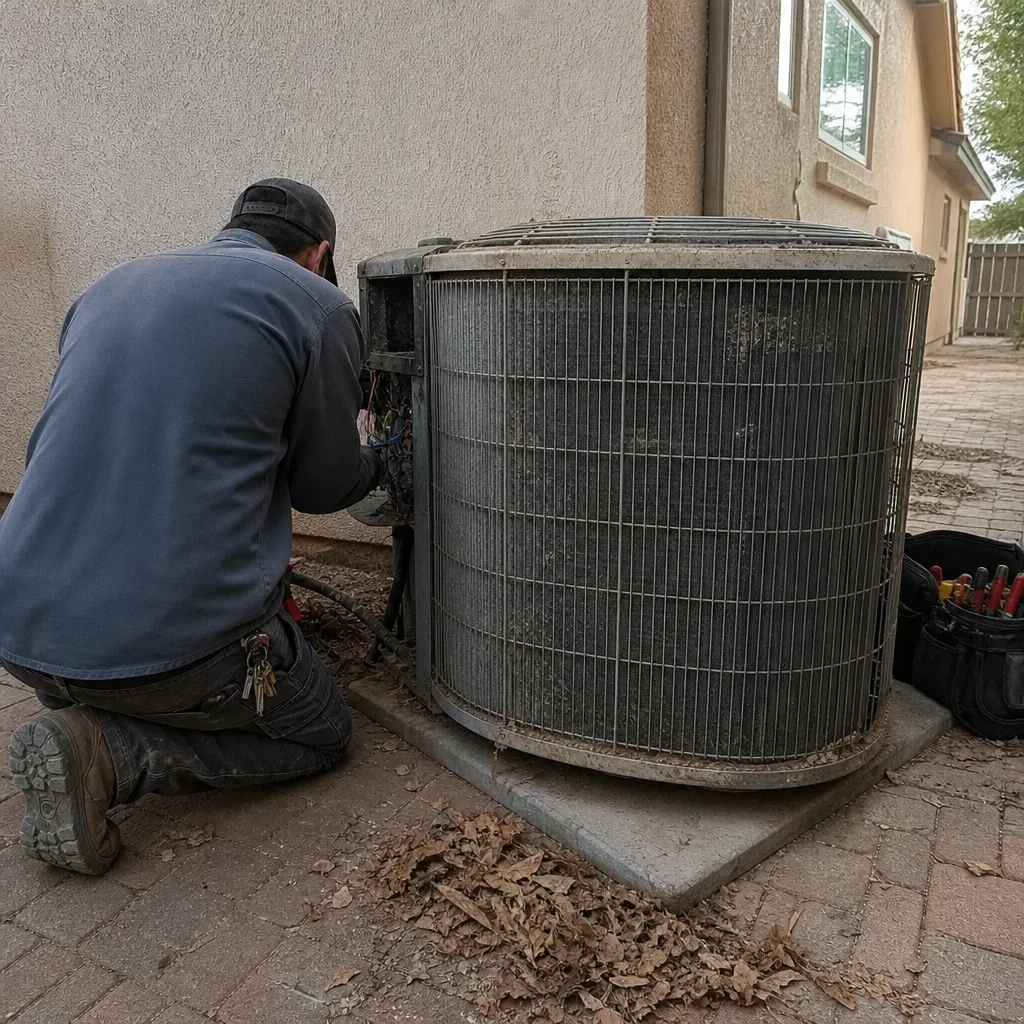
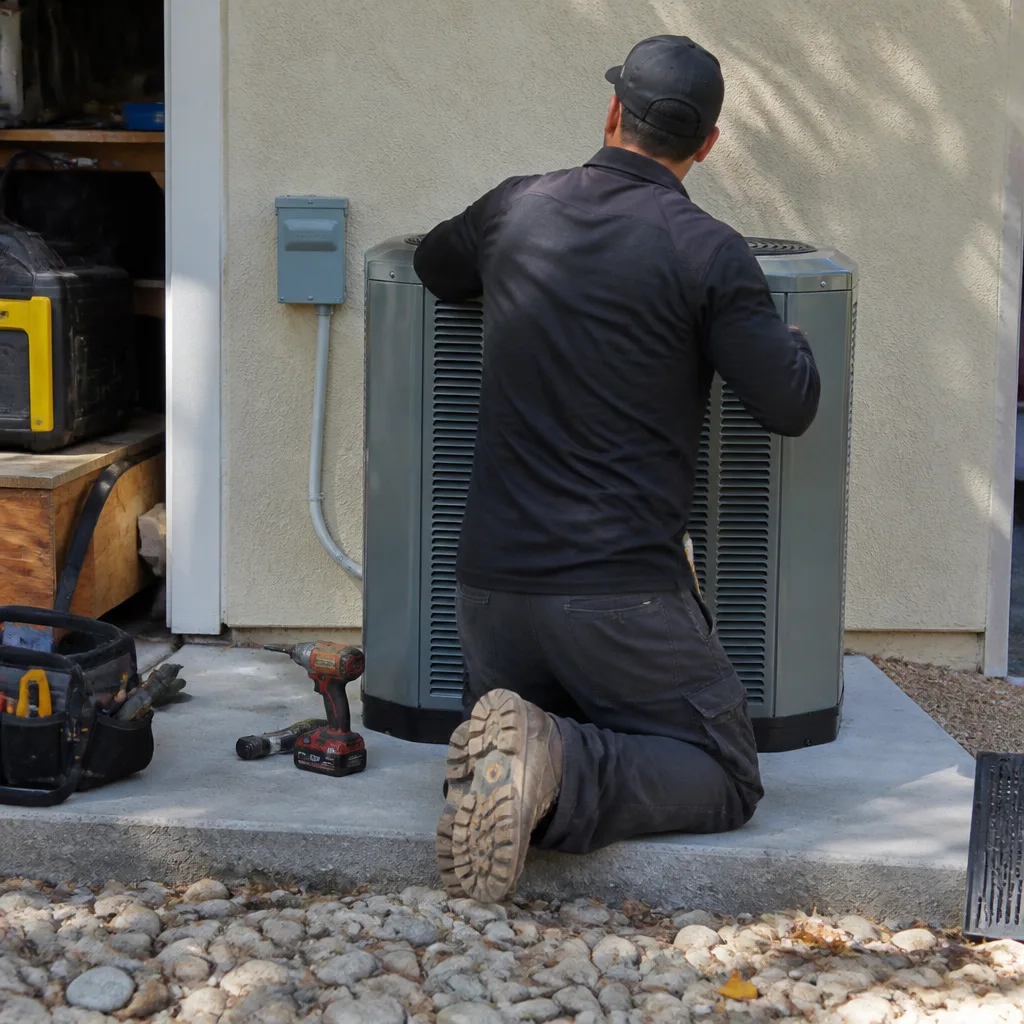
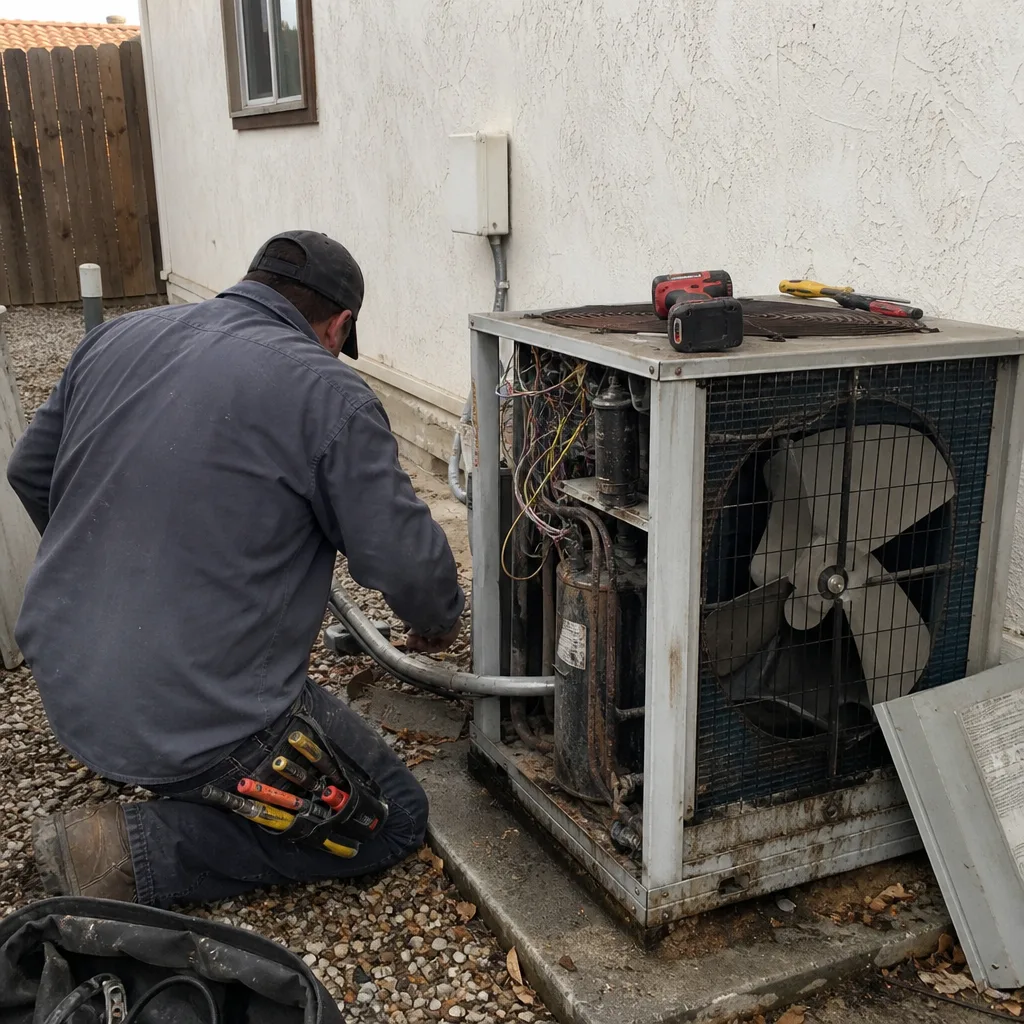
- HVAC equipment: Condenser and air handler model numbers, tonnage, refrigerant type, filter sizes, thermostat type, and date of last service. During a July heat event in Paradise, a contractor who knows your system’s refrigerant type can bring the right recovery cylinder on the first trip.
- Windows and doors: Manufacturer, glass type (single, double, low-E), frame material, impact rating if applicable, and rough opening measurements for any standard sizes. Post-storm glass replacement goes faster when you know whether you’re ordering from PGT, CGI, Therma-Tru, or another manufacturer.
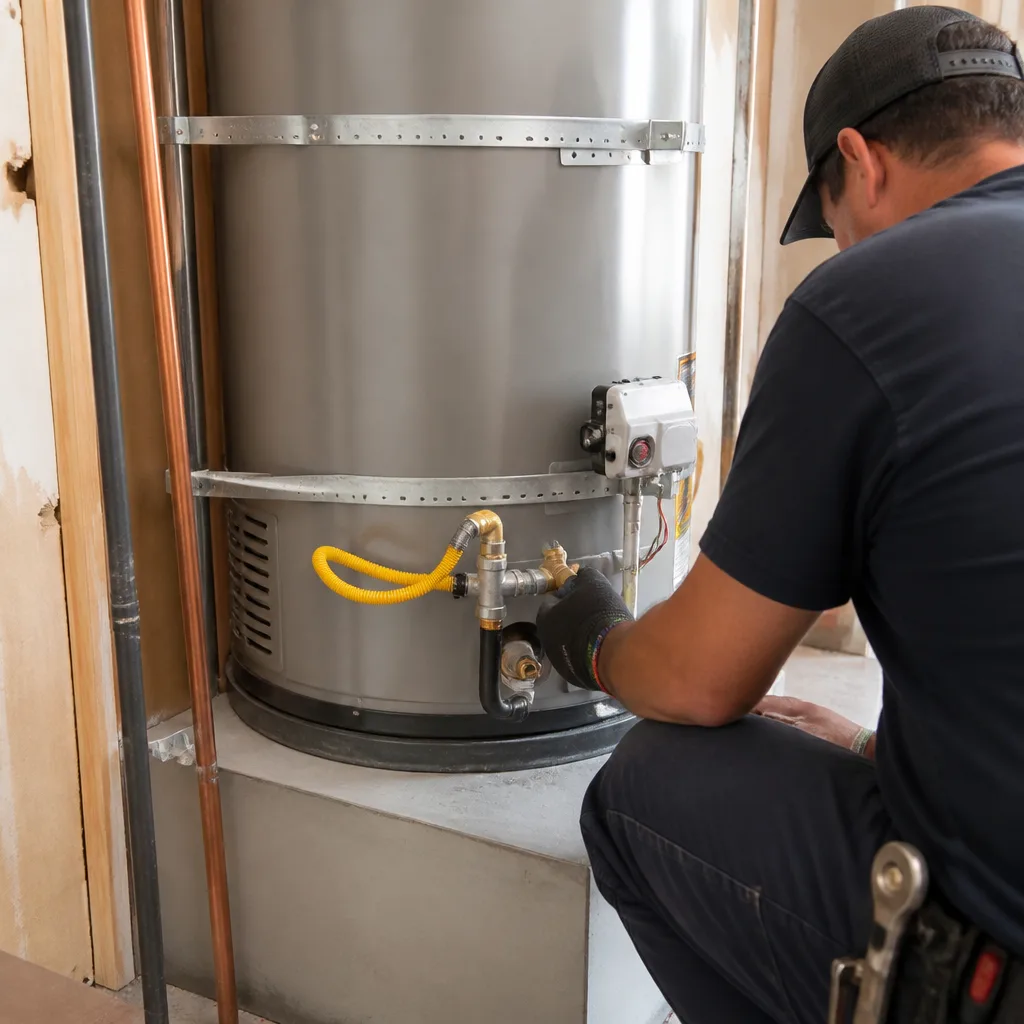
- Plumbing: Pipe material (copper, PEX, CPVC), water heater type and capacity, main shutoff location, and any known problem areas. A single sentence about “galvanized supply lines in the guest bath” saves a plumber an hour of diagnostic time.
- Electrical: Panel amperage and manufacturer, breaker brand, location of any subpanels, and any known circuit quirks or overloads. Post-storm electrical inspection goes faster when the panel details are already documented.
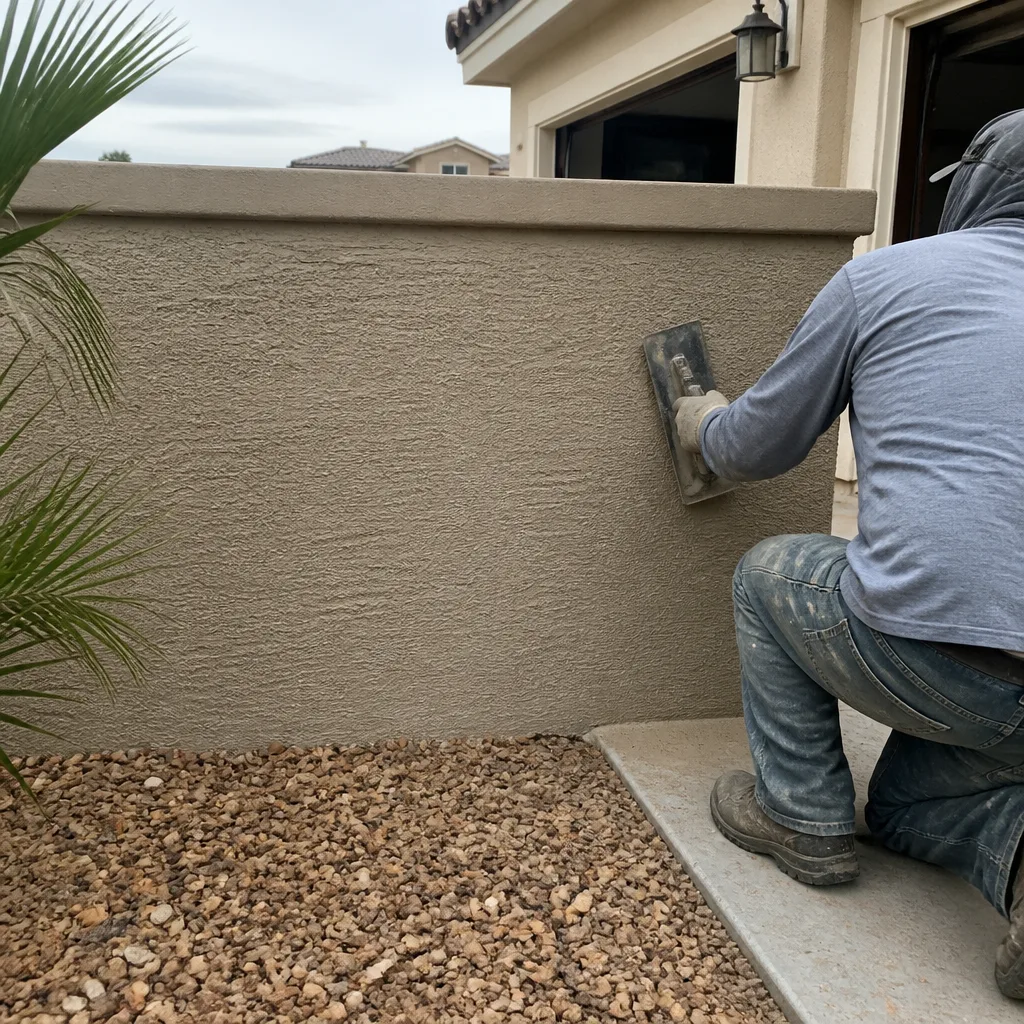
- Stucco and exterior cladding: Underlayment type if known, stucco system (traditional three-coat vs. EIFS), and any previous crack repair history. Water intrusion claims move faster when you can tell an adjuster exactly what’s behind the stucco.
- Hardscaping and drainage: Paver manufacturer if known (Belgard, Unilock, and similar brands mark their products), base material depth, and any retaining wall construction details. Monsoon-related yard flooding often traces back to drainage that was installed incorrectly or clogged.
Take this inventory once, store it in three places: a printed copy in a kitchen drawer, a digital copy on your phone, and a copy with your insurance agent or in a cloud drive shared with family. Update it whenever you complete a repair or replacement. Five minutes of documentation today beats a three-day discovery delay when water is moving through your ceiling.
Paradise-Specific Emergency Scenarios and First-Response Protocols
Paradise sits in the Las Vegas Valley, which means three predictable emergency patterns dominate: monsoon roof breaches, HVAC failure during extreme heat, and structural concerns after seismic events. Each has a different first-response protocol, and homeowners who know the playbook before the emergency arrives make better decisions faster.
Monsoon roof breach. The Las Vegas monsoon season runs from late June through September, and Paradise gets hit with the same microbursts and heavy downpours as the rest of the valley. Flat roofs are particularly vulnerable because they rely on drains and scuppers that clog with debris, causing water to pond until it finds a seam or crack. First response: turn off electricity to affected rooms at the breaker, place buckets and tarps indoors to catch active drips, and call a roofer who can tarp the roof from above. Do not go on the roof yourself during a storm. After the storm passes, document everything with photos before any cleanup begins.
HVAC failure above 110°F. Paradise regularly sees summer temperatures above 110°F, and air conditioning is not a comfort issue at that temperature. It’s a health and safety issue, especially for elderly residents, young children, and anyone with respiratory conditions. First response: verify the breaker hasn’t tripped, check the condensate safety switch (many Paradise homes have them to prevent water damage), and call an HVAC contractor with your model number ready. If the system is dead beyond repair, your documented inventory lets a contractor quote a replacement the same day rather than spending a day diagnosing what you already told them.
Post-tremor structural inspection triggers. Nevada is the third most seismically active state in the country, and while most Paradise residents never feel a major quake, the threshold for inspecting your home after any noticeable shaking is low. Structural inspection triggers include: new cracks in stucco wider than a pencil line, doors or windows that suddenly stick, cracks in ceiling drywall that extend across a room, separation between walls and ceilings, and any crack in a foundation slab wider than a quarter inch. If you observe any of these after an earthquake, shut off the main gas line if you smell even a faint gas odor, and call a licensed general contractor to perform a structural assessment.
Insurance Documentation Best Practices for Clark County Homeowners
Insurance claims for construction damage in Clark County move at the speed of your documentation. An adjuster can approve a roof replacement claim in days when you hand them a complete package: before-and-after photos, the original install permit, material specifications, and a professional damage assessment. The same claim can take weeks when the adjuster has to reconstruct your roof’s history from half-remembered conversations.
What insurers need from Paradise homeowners filing construction damage claims:
- Pre-loss photos: Exterior photos of the roof, stucco, windows, and hardscaping taken once a year, plus interior photos of key areas. Store them in a cloud folder labeled with the date.
- Immediate post-loss photos: Take photos within hours, before temporary repairs begin. Insurance adjusters need to see the damage in its original state, not after you’ve cleaned up.
- Permit records: Clark County and the City of Paradise maintain permit records online. Download and save permits for your roof, HVAC, water heater, and any major renovation work.
- Material specifications: When you replace a roof or windows or stucco, keep the product spec sheet. If you have a James Hardie siding installation or a GAF roofing system, the product name and warranty documentation matter for replacement-cost coverage.
- Repair estimates: Even if you intend to use emergency temporary repairs, get a written estimate for permanent repair before the temp work begins. This protects your replacement-cost claim.
- Communication log: Note every call with your insurer: date, time, name of representative, and what was said. Nevada has prompt-payment laws for insurance claims, and a communication log protects you if a claim stalls.
One point that surprises many Paradise homeowners: insurance typically covers the cost of reasonable emergency mitigation, meaning if you pay out of pocket to tarp a roof or board a broken window to prevent further damage, save the receipt. Those costs are often reimbursable as part of the claim, provided you documented the damage first and used a licensed contractor for the temporary work.
Emergency Contractor Selection Criteria Under Pressure
Storm-damaged neighborhoods attract unlicensed contractors the way monsoon runoff attracts mosquitos. They knock on doors within hours of a major storm, offer same-day work at cash prices, and disappear with your deposit. In Paradise, where storm damage is seasonal and predictable, the pressure to act fast is real, but the verification process should never take more than a few minutes. Our guide to Construction Warning Signs: A Paradise Homeowner’s Reference Guide can help you spot red flags before they knock.
What to verify even in an urgent situation:
- Active Nevada contractor license. The Nevada State Contractors Board website lets you search by company name and verify license status in under two minutes. If they’re not listed, don’t hire them. If they’re listed but the license is expired or suspended, don’t hire them.
- Insurance coverage. Ask for a certificate of insurance directly from their agent, not a photocopy they hand you. A general contractor in Paradise should carry general liability and workers’ compensation coverage. If they’re uninsured and a worker gets hurt on your property, your homeowner’s insurance is on the hook.
- Local presence. A contractor with an established Paradise presence, a physical address, and a phone number that isn’t a burner is far more likely to honor warranty work than a storm chaser who leaves town next week.
- Written scope, not verbal promises. Even an emergency patch should have a one-page written scope: what they’ll do, what materials they’ll use, what it costs, and what’s excluded. A contractor who won’t write it down shouldn’t start work.
- No high-pressure deposit demands. Some deposit is reasonable for materials. A demand for 50% up front on an emergency patch is not. Legitimate contractors in Clark County know material costs and can give you a firm number before work begins.
The team at Ellsworth Contractors home has worked on storm-damaged homes throughout the valley. The homeowners who called us after verifying our license and insurance got repairs done right the first time. The ones who hired the first knock on the door often paid twice: once for the bad repair, and once to have it torn out and done correctly.
Temporary Repair Standards That Preserve Insurance Claims
Emergency temporary repairs walk a fine line between preventing further damage and voiding your ability to claim full replacement costs. The rule is simple: temporary repairs should stop the bleeding, not replace the system. A tarp on a roof is a temporary repair. A full roof replacement done before the adjuster sees the damage is not.
Temporary fixes that preserve your claim:
- Roof tarping: A properly secured tarp stops water intrusion and is universally accepted by insurers as reasonable mitigation. Document the tarp installation with photos and keep the receipt.
- Board-up of broken windows and doors: Plywood over a broken window prevents additional water and wind damage. Note the broken opening with photos before the board-up, and keep the glass shards if possible for the adjuster to see.
- Water extraction and drying: If interior flooding has occurred, immediate water extraction and dehumidification prevent mold. Most insurers require prompt mitigation and will reimburse you for professional water damage services.
- Temporary HVAC cooling: If your system is down during extreme heat, portable cooling units and fans are reimbursable mitigation expenses in many claims. Document the indoor temperature and humidity readings.
Temporary fixes that can void or reduce your claim:
- Full system replacement before the adjuster arrives: If you replace the entire roof or HVAC system before the insurance adjuster inspects the damage, you’ve removed the evidence. The insurer can deny coverage for the replacement or reduce the claim to the depreciated value.
- Unlicensed handyman repairs: Work done by an unlicensed individual is often not reimbursed and can complicate your claim, particularly if the work fails and causes additional damage.
- Partial DIY demolition: Ripping out wet drywall or torn roofing before the adjuster documents the damage makes it hard to prove the extent of loss. Wait for the inspection or get written approval from your adjuster first.
- Permanent repairs presented as temporary: Using permanent materials for a temporary fix (replacing a roof section instead of tarping) can trigger a dispute about whether the work was actually temporary and what the insurer should pay.
For Paradise homeowners navigating storm damage, the sequence is: document, mitigate, submit, repair. Skip any step and you risk the claim. A General Contractor in Paradise who has worked with valley insurers can help you sequence these steps correctly.
Why Material Specifications Matter in an Emergency
When a contractor arrives at a storm-damaged home without knowing what materials they’re working with, every hour of discovery is an hour of water intrusion. Material specifications are the difference between a same-day roof patch and a multi-day investigation. Here’s what specific manufacturers and material systems mean for emergency response speed in Paradise.
Roofing manufacturer and system type. A GAF shingle roof, a CertainTeed flat membrane system, or an Owens Corning tile roof all have different flashing details, underlayment requirements, and repair materials. Emergency tarping is universal, but permanent repair requires product-specific materials. If your inventory document says “GAF Timberline HD, charcoal, installed 2019,” your contractor brings matching shingles on the first visit.
Window and door specs. Post-storm window replacement means matching glass type, frame color, and impact rating. Knowing you have PGT WinGuard impact windows tells a contractor they’re ordering from a specific manufacturer’s line with specific structural framing requirements. A generic “impact window” isn’t enough detail.
Stucco and cladding system. Water intrusion into stucco requires knowing whether you have traditional three-coat stucco or an EIFS system with an integrated drainage plane. James Hardie siding has different repair standards than vinyl or wood cladding. Repairing water damage behind the wrong cladding type can trap moisture and create a mold problem that surfaces years later.
Hardscaping and drainage materials. Monsoon flooding often originates in hardscaping that was installed with inadequate drainage. If your pavers are Belgard or Unilock products with a documented base depth, a contractor can diagnose drainage issues more accurately than if they’re guessing at what’s beneath the surface.
Material documentation isn’t about being a product nerd. It’s about removing friction from emergency response. Every brand name and spec line in your inventory document saves your contractor time, and in a water-intrusion emergency, time is measured in drywall panels, insulation batts, and dollars of restoration work.
Common Mistakes to Avoid
- No pre-loss photos. Most Paradise homeowners have never photographed their roof, stucco, windows, or hardscaping until after damage happens. A set of date-stamped exterior photos taken once a year is the single strongest evidence you can present to an insurance adjuster. Without them, every claim starts as an argument about whether the damage pre-existed the storm.
- Waiting to document damage. The instinct to clean up and start repairing is strong. But every hour of cleanup before photos and documentation erodes your claim. Photograph the damage within the first 24 hours, before you move anything or dry anything out.
- Hiring the first contractor who knocks. Storm chasers target Paradise neighborhoods precisely because the damage is predictable and the homeowner’s urgency is high. Verify the license, verify the insurance, and get a written scope before you let anyone touch your roof or walls.
- Overlooking the HVAC system during heat events. Many homeowners treat a struggling air conditioner as an inconvenience rather than a safety issue. In Paradise, where summer temperatures regularly exceed 110°F, a functioning HVAC system is a structural component of a livable home. Document your system now, before July arrives.
- Ignoring small roof issues until monsoon season. A small leak that shows up in March becomes a roof failure in August. Monsoon rain in Paradise arrives fast and heavy, and any weak point in your roof will be found in the first storm. Address minor issues during the dry season when contractors have scheduling flexibility and you have time to compare options.
- Not keeping permit records. Clark County permit records are publicly available, but retrieving them takes time and effort you may not have during an emergency. Download and save permits for your roof, HVAC, water heater, and any renovation work. Owners of Home Remodeling in Paradise projects should request a full permit packet from their contractor at project close-out.
- Confusing temporary and permanent repairs. Some homeowners insist on permanent repairs during a storm event, which delays the work and costs more than mitigation. Others accept temporary fixes as permanent solutions and never follow up. Know the difference: temporary stops the damage, permanent restores the system. Do one first, then the other, in that order.
When to Call a Professional
Some construction emergencies are obvious: water pouring through the ceiling, a roof that’s partially missing, an HVAC system that’s dead during a heat wave. But the threshold for professional intervention is lower than most homeowners realize. Any water stain on the ceiling, any new crack in stucco or drywall, any window that suddenly sticks, any musty odor in a wall cavity, or any HVAC system that struggles to maintain temperature are signals that a problem is developing, not that a problem might develop. The repair for a developing issue is almost always cheaper and faster than the repair for a fully manifested emergency.
Ellsworth Contractors offers free estimates in Paradise. Call (888) 445-6077 and we’ll assess the situation, document the damage, and give you a written scope and price for the permanent repair. If you need mitigation first, we’ll coordinate that too and make sure your insurance claim has the documentation it needs.
Frequently Asked Questions
Emergency roof tarping in Paradise typically runs $300 to $800 depending on roof size and accessibility, while permanent repairs after monsoon or storm damage range from $1,500 for isolated shingle or membrane repair to $12,000 to $25,000 for full roof replacement on an average valley home. The exact number depends on your roof’s material, age, and the extent of the damage. Call (888) 445-6077 for a written estimate. Estimates are free.
Turn off electricity to the affected room at the breaker panel, place buckets or tarps to catch the water, and call a licensed roofing contractor to tarp the roof from above. Document the leak with photos before any cleanup begins. Do not climb on the roof during a storm. Once the rain stops, call your insurance company and provide them with your pre-loss photos and the damage documentation.
The most important preparation steps are: inspect your roof for cracked tiles, worn shingles, or membrane bubbles in early June; clear all drains, scuppers, and gutters; verify that your home’s drainage carries water away from the foundation; and update your construction inventory document with any recent changes. If you find evidence of a developing leak, address it before the first storm, not after. A Home Renovation in Paradise that includes monsoon-season preparation is far cheaper than storm damage restoration.
Most standard homeowner’s policies in Nevada cover wind and water damage from sudden events like monsoon storms, including roof damage, water intrusion, and resulting interior damage. However, coverage depends on your specific policy, your deductible, and whether the damage resulted from a sudden event rather than deferred maintenance. Water damage caused by a lack of maintenance, such as a roof that was already leaking, is typically excluded. Review your policy terms before you need them.
Emergency tarping and board-up typically happen within hours, not days, if you call a local contractor immediately. Permanent repairs depend on the extent of damage and material availability: small repairs take days, full roof replacements take one to two weeks, and structural repairs can take longer if permits and inspections are required. Having your construction inventory document ready accelerates both the estimate and the repair process because your contractor can order materials on day one.
You need pre-loss photos of your home’s exterior and key interior areas, immediate post-loss photos before any cleanup, original installation permits for the damaged systems, material specifications and manufacturer names, and a written professional damage assessment with repair estimates. Keep all receipts for emergency mitigation work, including tarping, board-up, water extraction, and temporary cooling. A complete documentation package typically cuts weeks off the claims process.
The Bottom Line
Construction emergencies in Paradise are a matter of when, not if. The valley’s monsoon season tests every roof, the summers test every HVAC system, and the seismic environment means every home should have a post-tremor inspection threshold. Homeowners who recover fastest are the ones who documented their home’s systems before the emergency arrived. Build your construction inventory document, take your pre-loss photos, save your permit records, and know the first-response protocol for each type of emergency. For more guides & resources on protecting your Paradise home, explore our blog. When something fails, the documentation you built in calm weather will make the difference between a controlled repair and a chaotic one.
Written by the team at Ellsworth Contractors, serving Paradise since 2014.
See the difference
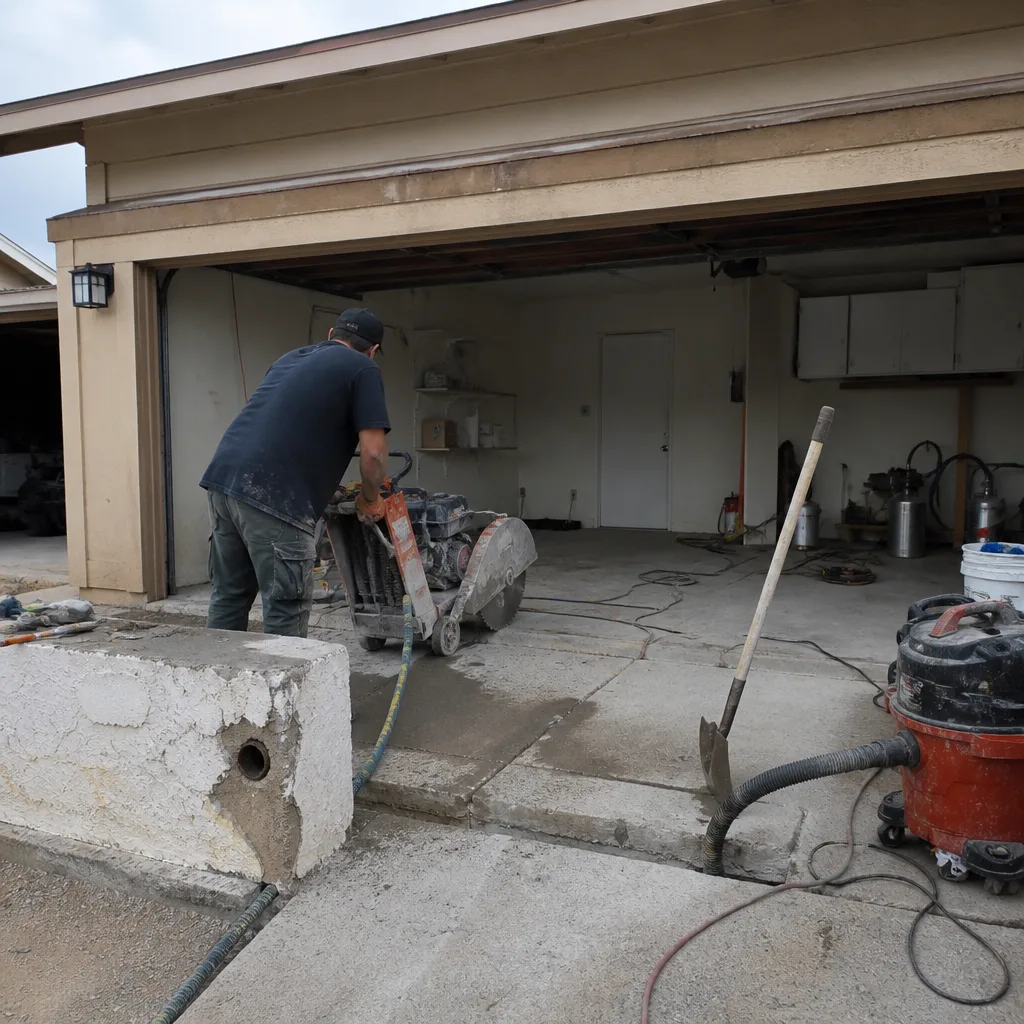 Before
 After
 Before
 After
 Before
 After