
Last updated October 31, 2026
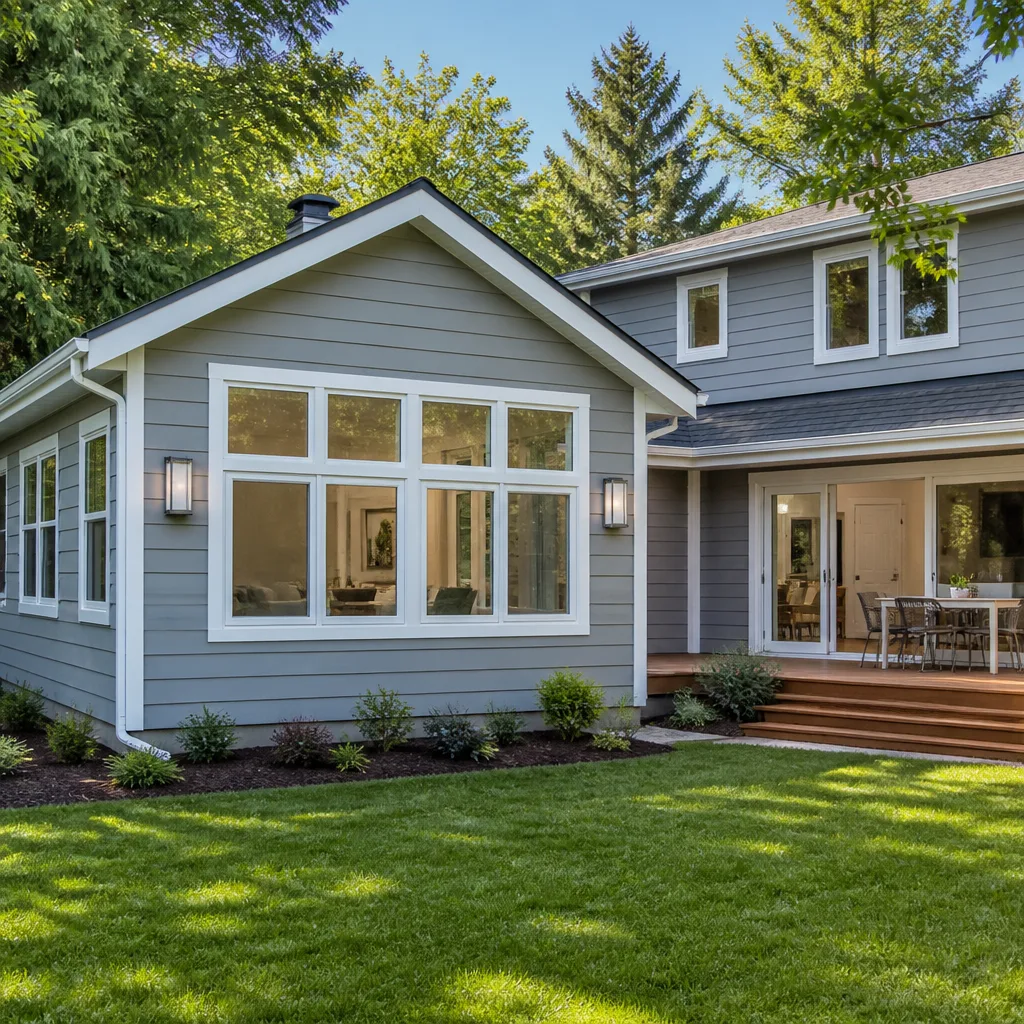 Home additions & ADU
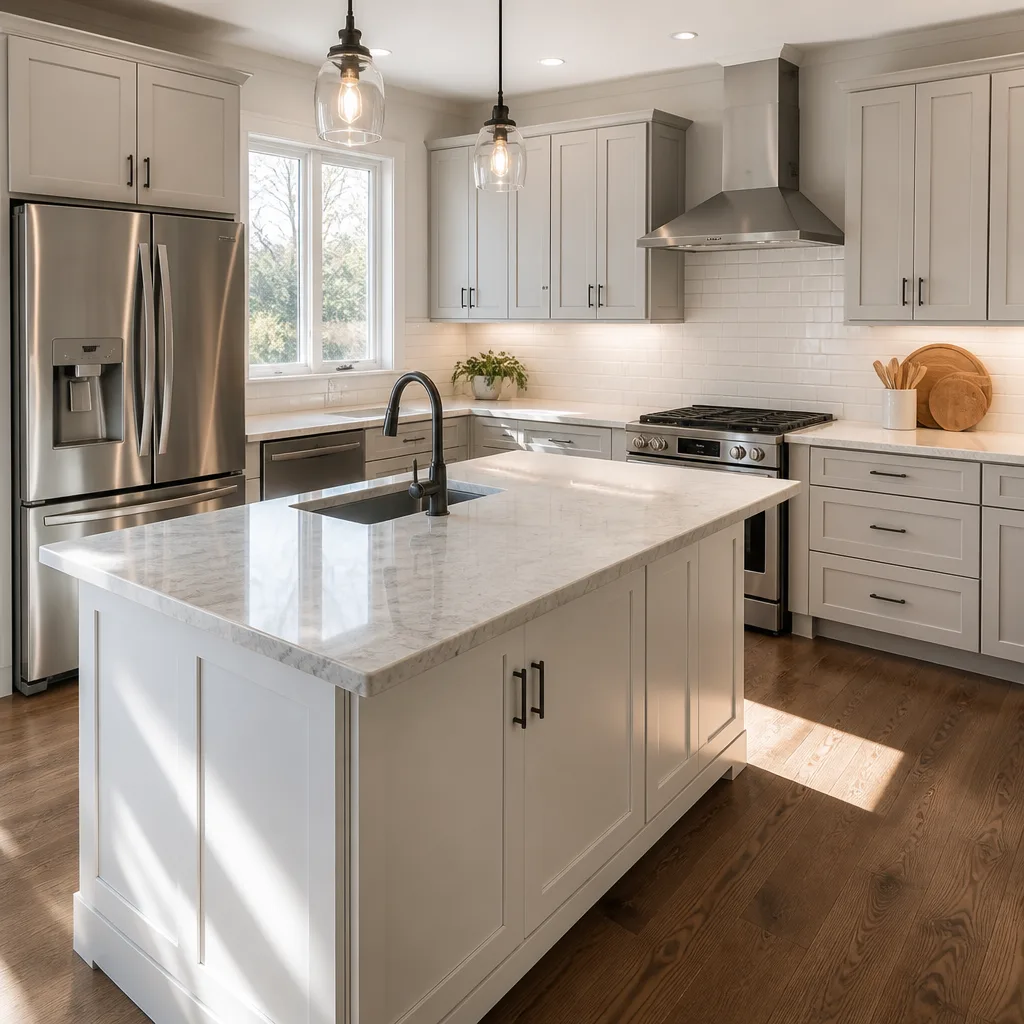 Kitchen remodeling
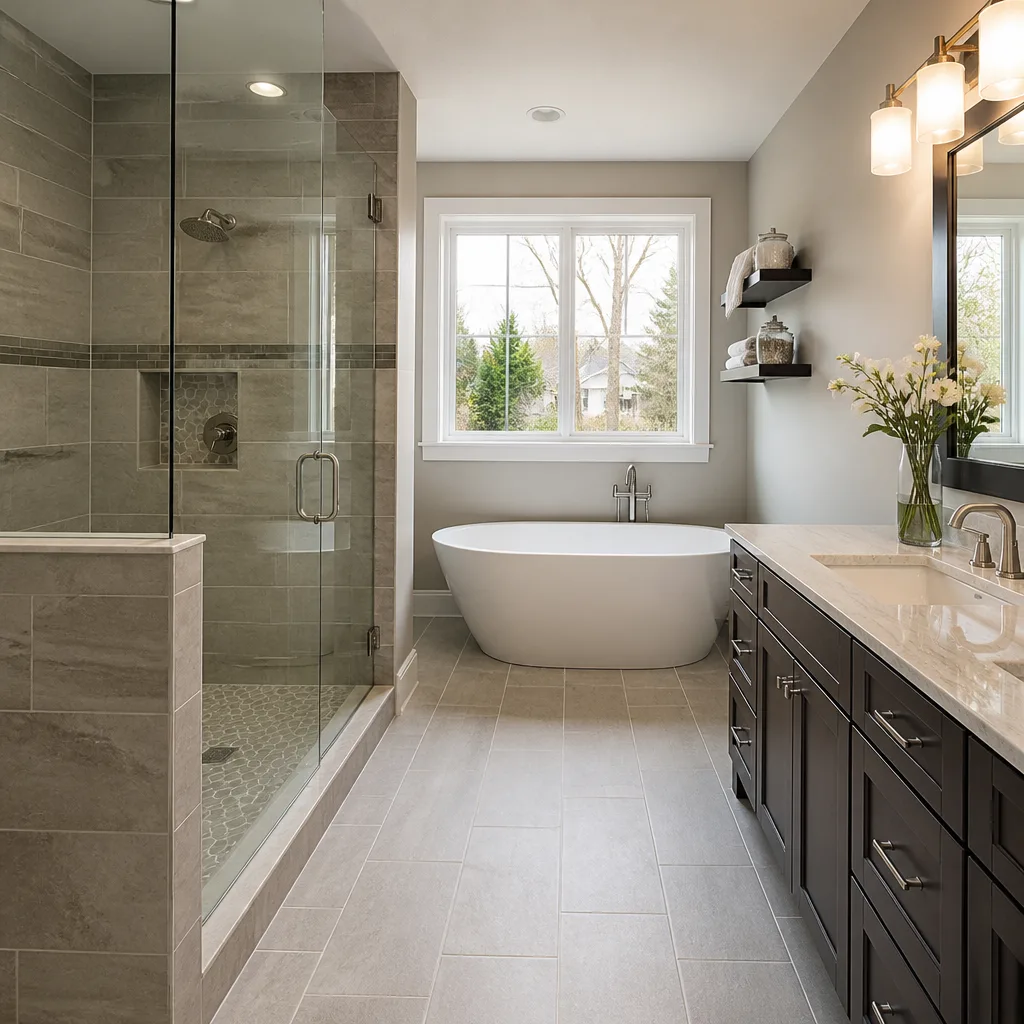 Bathroom remodeling
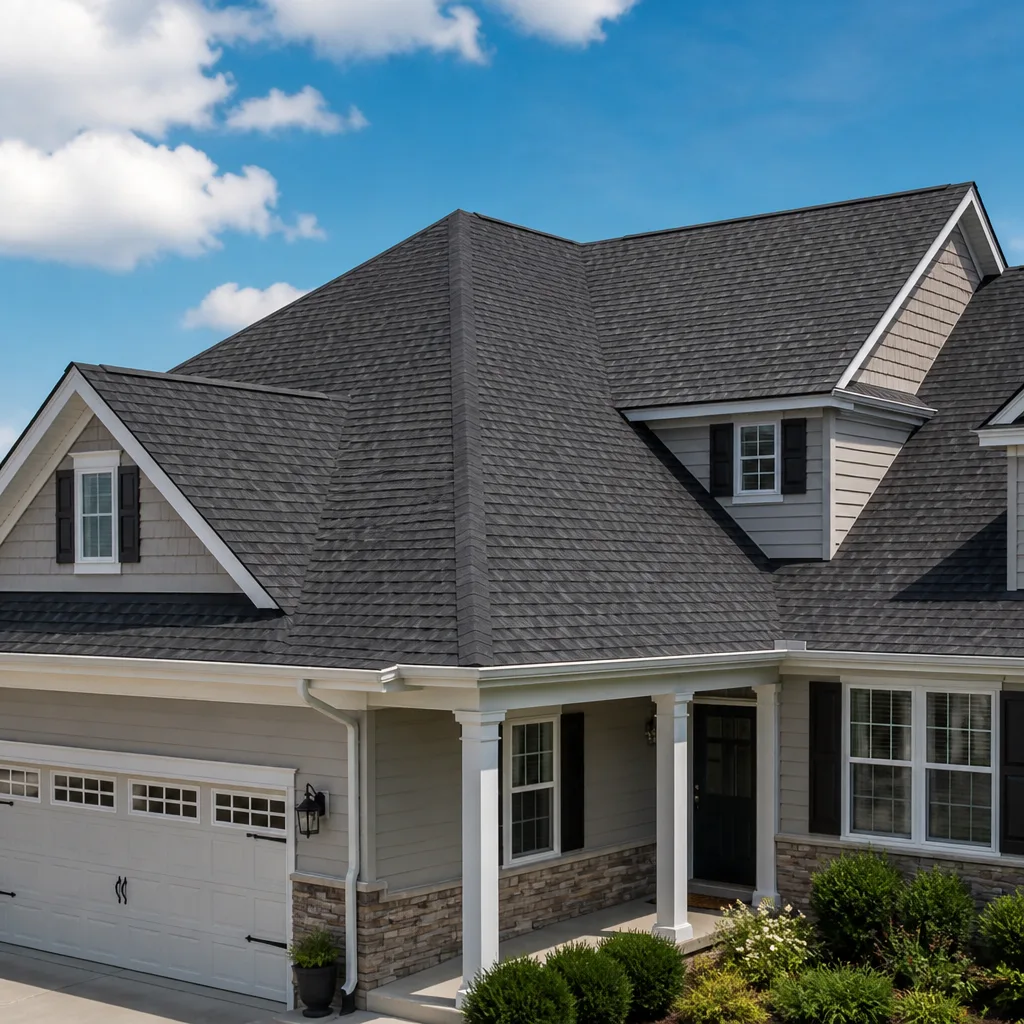 Roofing
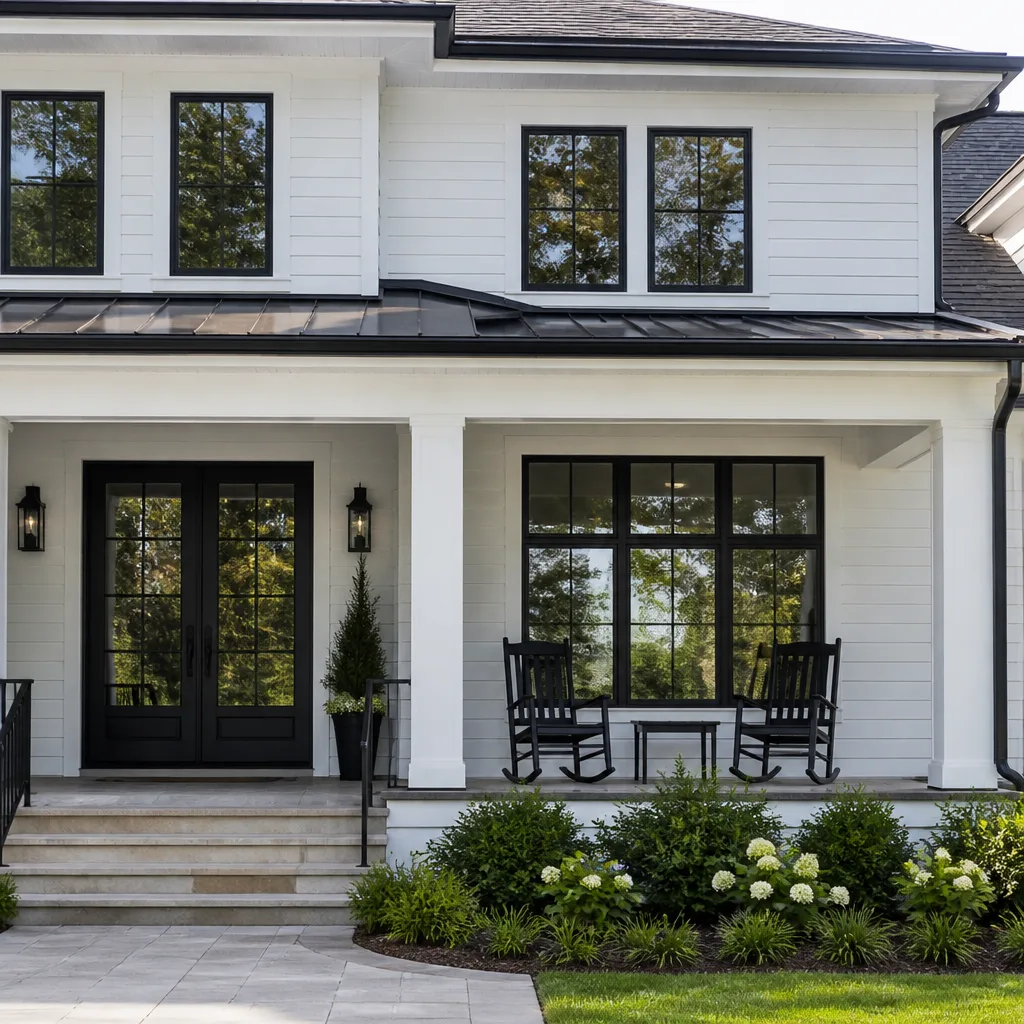 Windows & doors
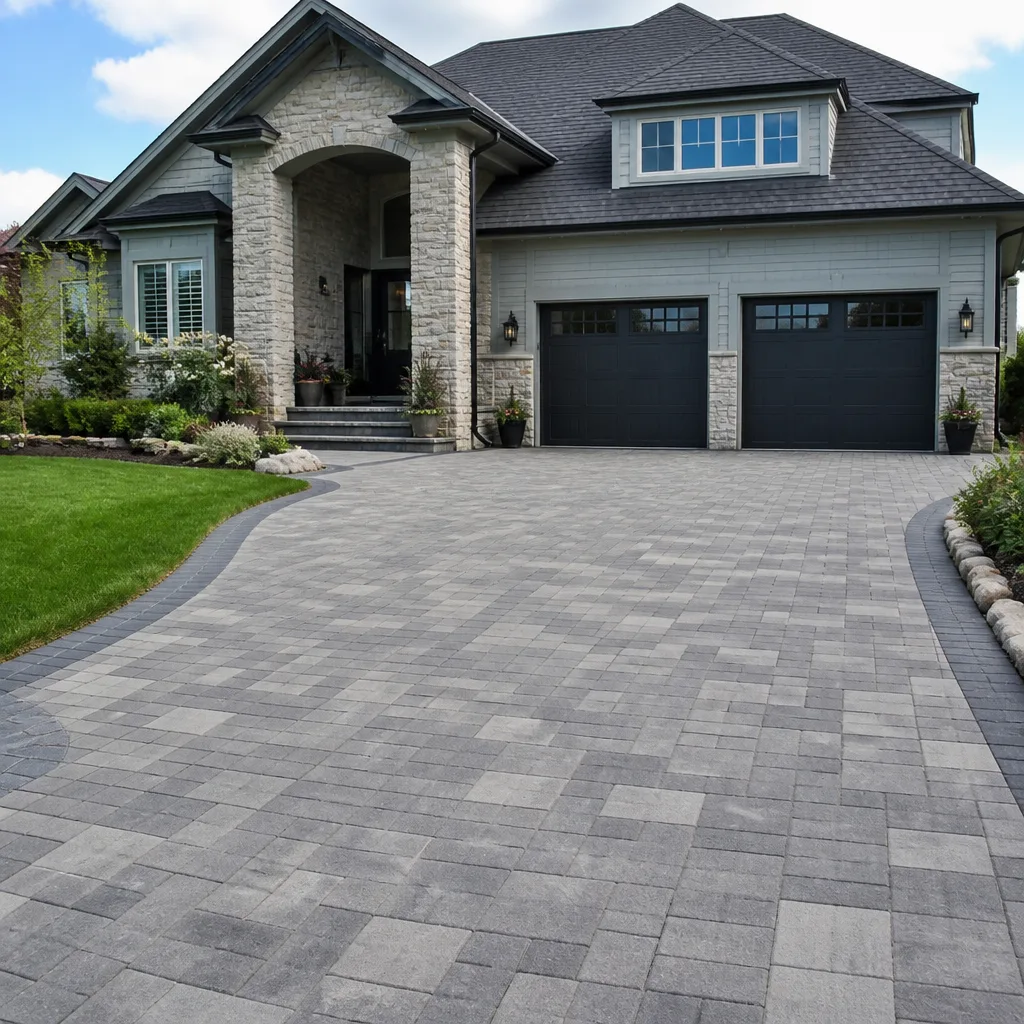 Driveway & pavers
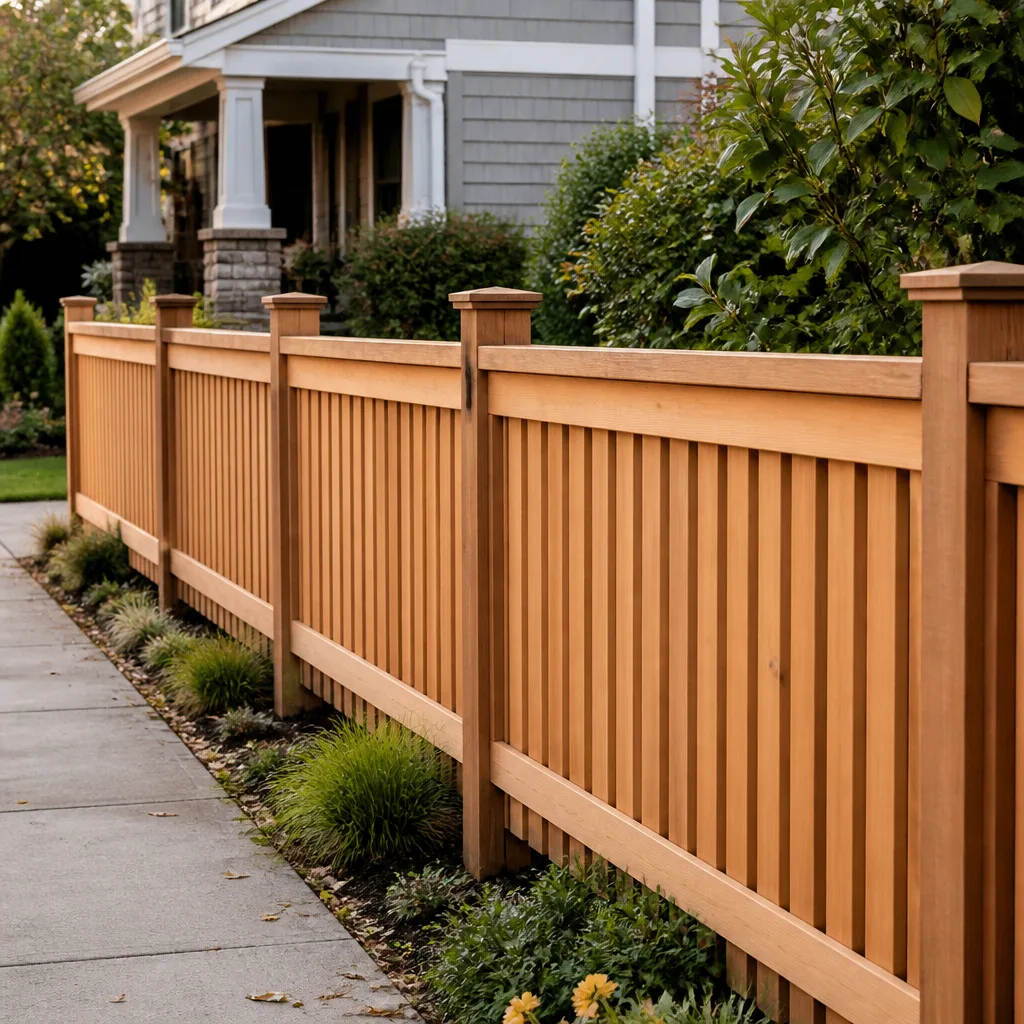 Fence
Free written scope consultation - allowances, timeline, and change-order rules on paper before a single trade is scheduled
DIY vs Professional Construction: The Paradise Homeowner’s Decision Guide
Owens Corning’s Duration Series shingle warranty, one of the most common roofing products installed across Southern Nevada, is voided if installation isn’t performed by a certified contractor. The product costs the same at the supply house whether you buy it or a roofer does. The warranty doesn’t. That single fact reframes the entire DIY conversation in Paradise, where 110-degree summers, Clark County permit code, and manufacturer fine print combine to draw a much clearer line between weekend projects and professional work than most homeowners realize. This guide maps that line using actual code requirements, warranty language, and desert-specific failure patterns, not general opinion.
Quick Answer
For Paradise homeowners, the DIY vs. professional decision comes down to three factors: whether Clark County requires a permit, whether the manufacturer requires certified installation to honor a warranty, and whether the work involves heat-exposed exterior systems. Interior cosmetic work like painting and hardware swaps is genuinely DIY-friendly. Roofing, electrical panels, gas lines, stucco, windows, and hardscaping are not, for legal, warranty, and safety reasons specific to Southern Nevada.
Styles & brands we work with
Table of Contents
- The Permit Reality: What Clark County Won’t Let You Touch
- Warranty Fine Print: When DIY Voids the Product Guarantee
- Heat Exposure: The Southern Nevada Safety Threshold
- The True Cost of DIY Rework in Desert Climates
- Where DIY Genuinely Makes Sense in Paradise
- Material Brand Depth: Why Sourcing Matters in Paradise
- ADUs and Prefab: Expanding What Your Paradise Property Can Do
- Common Mistakes to Avoid
- When to Call a Professional
- Frequently Asked Questions
The Permit Reality: What Clark County Won’t Let You Touch
Clark County building code is explicit about which projects require licensed contractors, and the list removes most structural, electrical, and mechanical work from the DIY column before you ever pick up a tool. Homeowners in Paradise often assume a permit is just paperwork. It’s not. It’s a legal gate that determines whether the work can even be performed by an unlicensed individual.
Here is what Clark County requires a licensed contractor for, regardless of your skill level:
- Structural work: Any modification to load-bearing walls, foundation repair, roof structure changes, or beam replacement requires engineered drawings and a licensed general contractor. You cannot pull this permit as a homeowner in Paradise.
- Electrical panel upgrades: Upgrading from a 100-amp to a 200-amp panel, common in older Paradise ranch homes built in the 1970s and 1980s, requires a licensed electrical contractor. The utility connection alone makes DIY impossible.
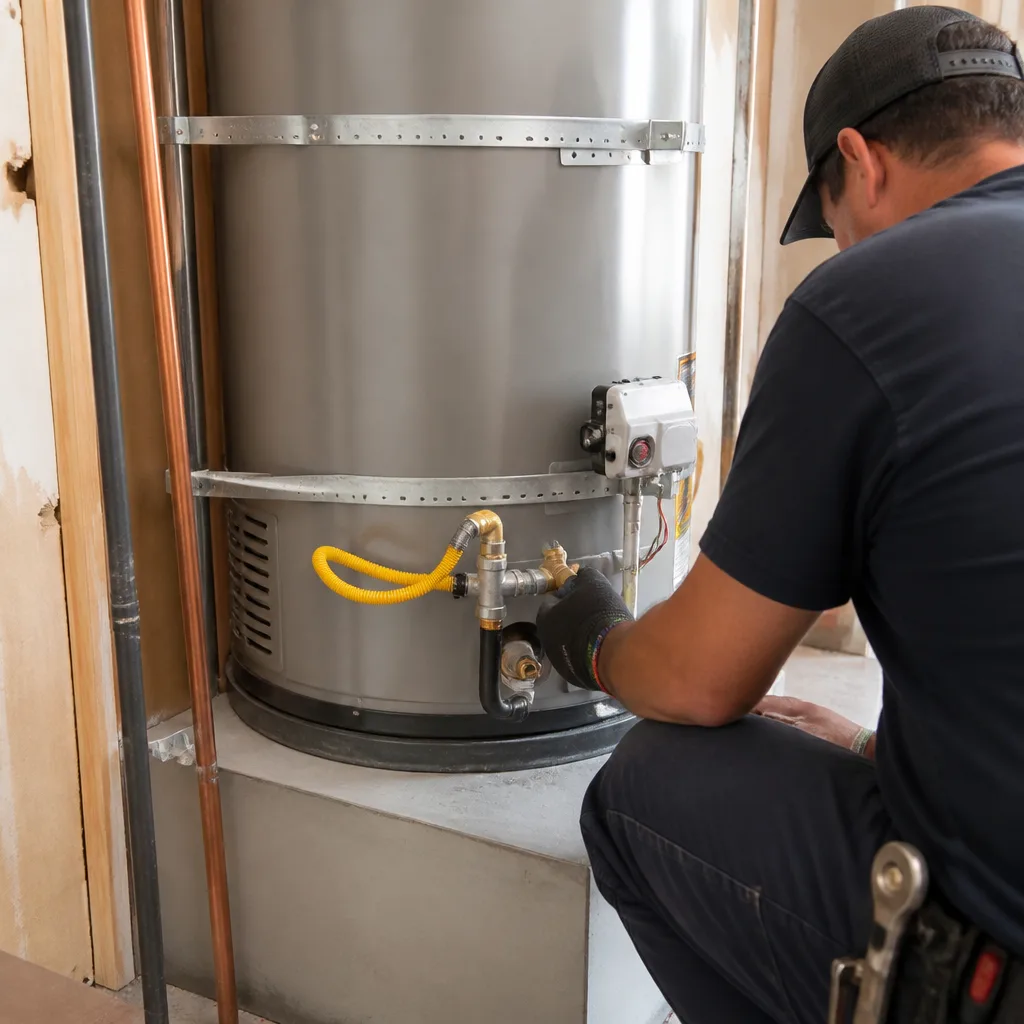
- Gas line modifications: Moving a gas line for a kitchen remodel or adding a line for a pool heater or outdoor kitchen requires a licensed plumber with gas certification. This is non-negotiable code, not preference.
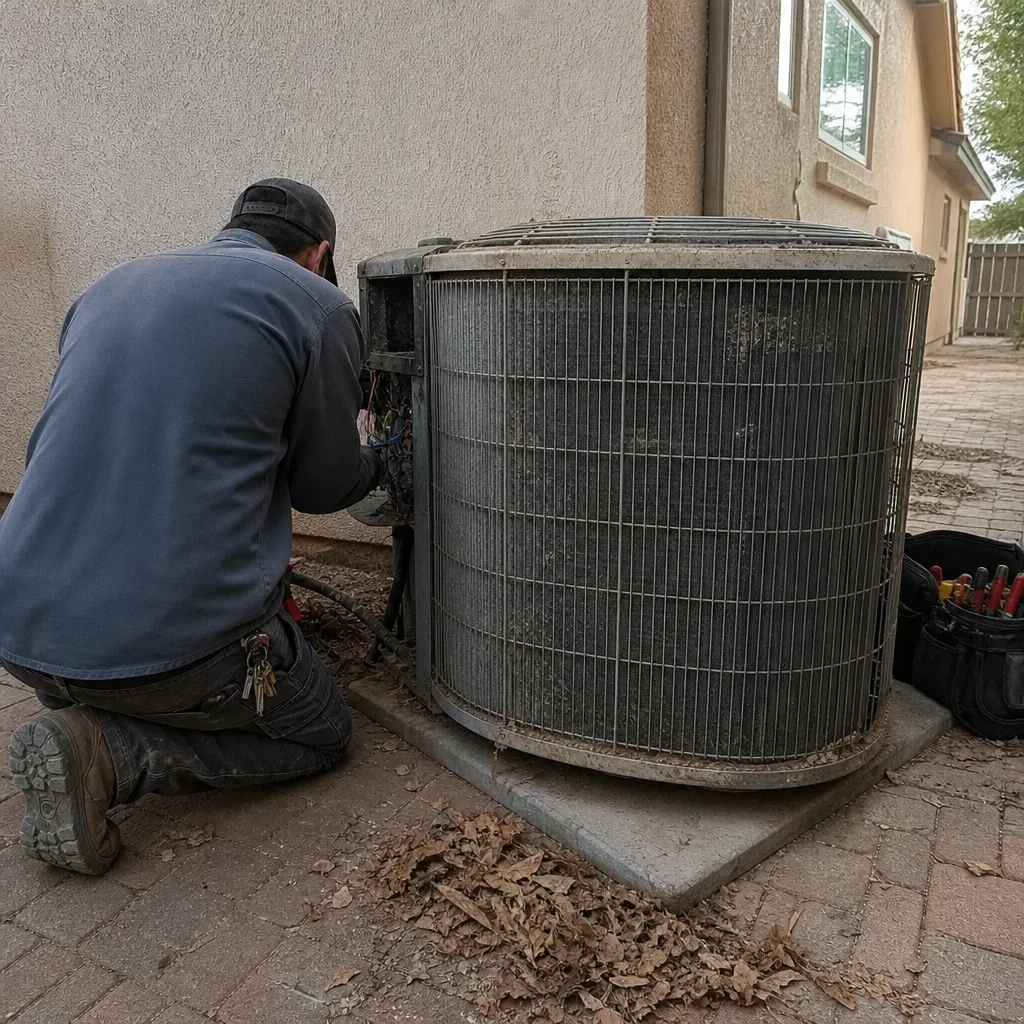
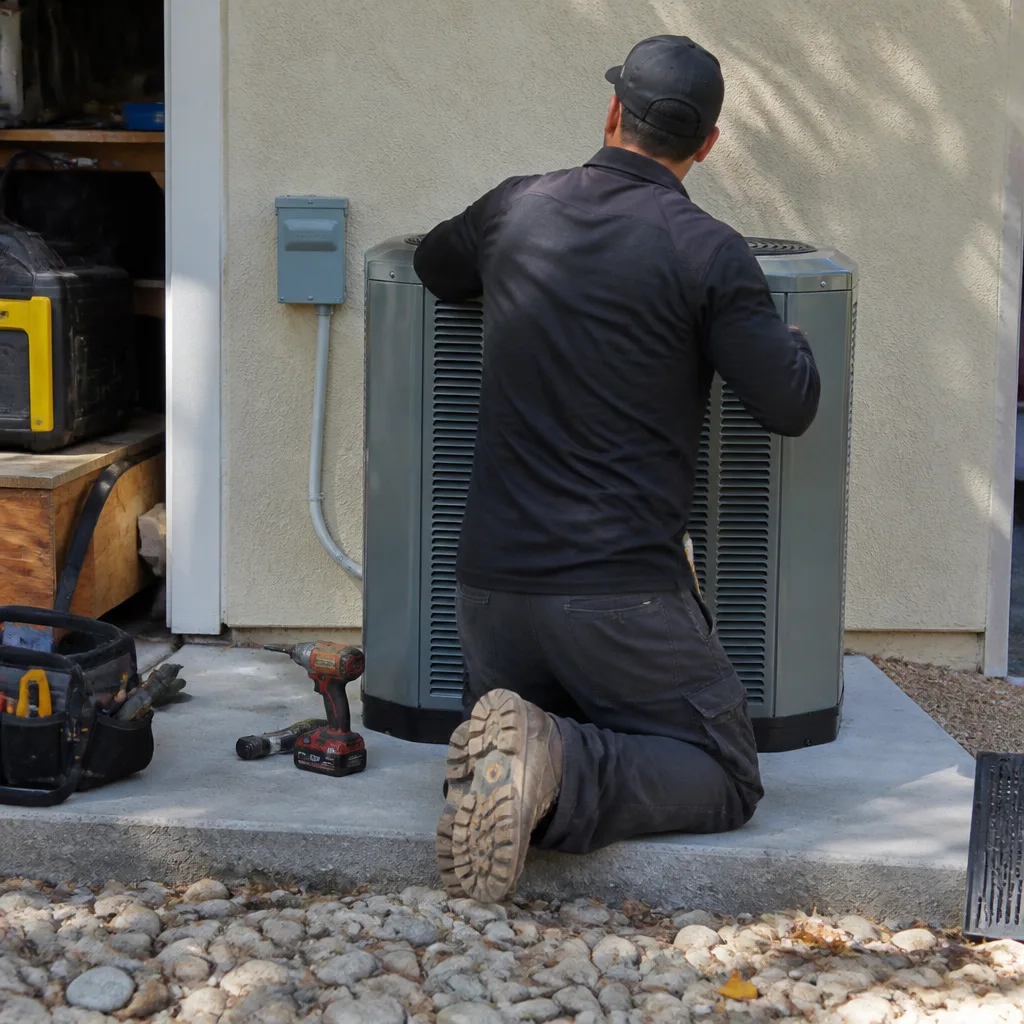
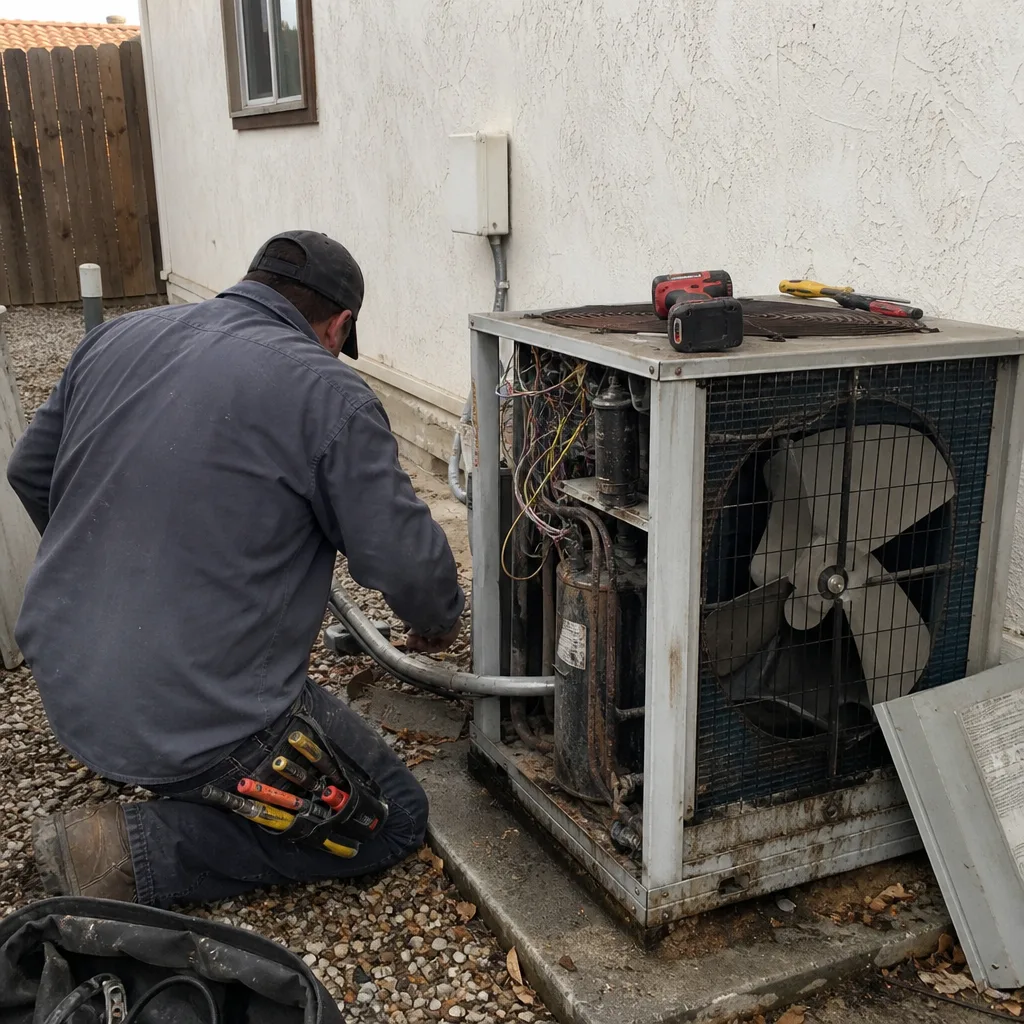
- HVAC replacement: Full system replacement requires a licensed mechanical contractor and EPA certification for refrigerant handling. Clark County inspections are mandatory.
The consequence of skipping the permit on these items isn’t just a fine. When you sell your Paradise home, unpermitted work becomes a disclosure requirement. Lenders flag it. Buyers demand repair credits. Insurance claims get denied. We’ve seen a $4,000 DIY electrical panel job turn into an $18,000 correction because the homeowner’s insurance company refused to cover a subsequent claim on an unpermitted installation. The general contractor path in Paradise exists because the code demands it, not because contractors lobbied for it.
Warranty Fine Print: When DIY Voids the Product Guarantee
The most overlooked factor in the DIY decision is manufacturer warranty language. You can buy the exact same materials a contractor buys, at the same price, from the same Paradise supply house. What you can’t buy is the warranty coverage that comes with certified installation. Here is how it breaks down by product category:
Roofing Warranty Requirements
GAF, CertainTeed, and Owens Corning all publish installation certification requirements. The GAF Golden Pledge warranty requires installation by a GAF-certified contractor. CertainTeed’s SureStart Plus warranty requires a CertainTeed credentialed contractor. Owens Corning’s Duration Series, as noted at the top of this guide, voids its warranty entirely without certified installation. In Paradise, where roofs face 300-plus days of intense UV exposure annually, that warranty isn’t decorative. It’s the difference between a manufacturer covering a $12,000 premature shingle failure and you covering it yourself.
Window and Door Warranty Requirements
Therma-Tru, PGT, and CGI all condition their best warranties on professional installation. PGT’s WinGuard impact product line, increasingly common in Southern Nevada for its UV and wind performance, specifically requires factory-certified installation for warranty activation. A DIY install of a $900 PGT window that fails at the seal within three years is your problem without that certification. With it, the manufacturer ships a replacement.
HVAC Equipment Warranty Requirements
Carrier, Trane, and Lennox all require licensed installation for full warranty coverage. The compressor fails on a two-year-old unit you installed yourself, and you are buying a new compressor. The same failure on a licensed install is covered under the manufacturer’s 10-year parts warranty. Paradise cooling systems run hard from May through September. That warranty is not theoretical.
Hardscaping and Paver Warranty Requirements
Belgard, Unilock, and Techo-Bloc all offer transferable lifetime structural warranties, but those warranties are contingent on installation following manufacturer base preparation and drainage specs. A DIY paver patio in Paradise that fails because the base was compacted incorrectly, or because the slope drains toward your slab foundation, has no manufacturer recourse. The product didn’t fail. The installation did. The warranty knows the difference.
Heat Exposure: The Southern Nevada Safety Threshold
Paradise summers don’t just make DIY uncomfortable. They make specific exterior tasks actively dangerous above certain temperature thresholds. This is not about toughness. It’s about material chemistry and human physiology.
Here is what changes when the thermometer crosses 95 degrees, which in Paradise happens routinely from June through September:
- Roofing becomes genuinely hazardous. The surface temperature of an asphalt shingle roof in Paradise on a 105-degree day ranges from 150 to 170 degrees. Work boots soften. Gloves become slick. The shingles themselves become pliable enough to damage underfoot. Heat exhaustion onset accelerates dramatically at these surface temperatures. Professional roofing crews in Southern Nevada shift to early-morning schedules for exactly this reason.
- Caulk and sealant applications fail. Most exterior caulks and sealants specify an application temperature range. The common range is 40 to 90 degrees Fahrenheit. Apply caulk to exterior window trim or expansion joints in Paradise at 110 degrees, and the material skins over before it cures properly. The result is a seal that looks fine for three months and then fails at the bond line, leaving your stucco or window flashing exposed to the next monsoon-season rain.
- Stucco and concrete curing windows collapse. Stucco and concrete both require controlled moisture retention during curing. In Paradise’s 8-percent relative humidity summer conditions, water evaporates from fresh stucco or concrete before hydration completes. The result is weakened material, surface cracking, and color inconsistency. Professional crews use curing compounds, misting schedules, and shaded containment. DIY applications in July rarely account for this, and the rework cost is the full demo and redo.
- Heat-exposure risk for the homeowner. Heat stroke in Paradise is a real medical emergency, not a statistic. Working on a ladder against a stucco wall that’s radiating 130 degrees of stored heat doubles your core temperature rise rate. Emergency rooms across Southern Nevada treat DIY heat injuries every summer, and the majority involve homeowners working on roofs, exterior walls, and hardscape.
The True Cost of DIY Rework in Desert Climates
Desert rework has a specific pattern in Paradise. It is rarely the first attempt that fails visibly. It is the first attempt that fails seasonally, and the homeowner doesn’t discover it until the next heat cycle or monsoon. Here are the three most common rework scenarios we see:
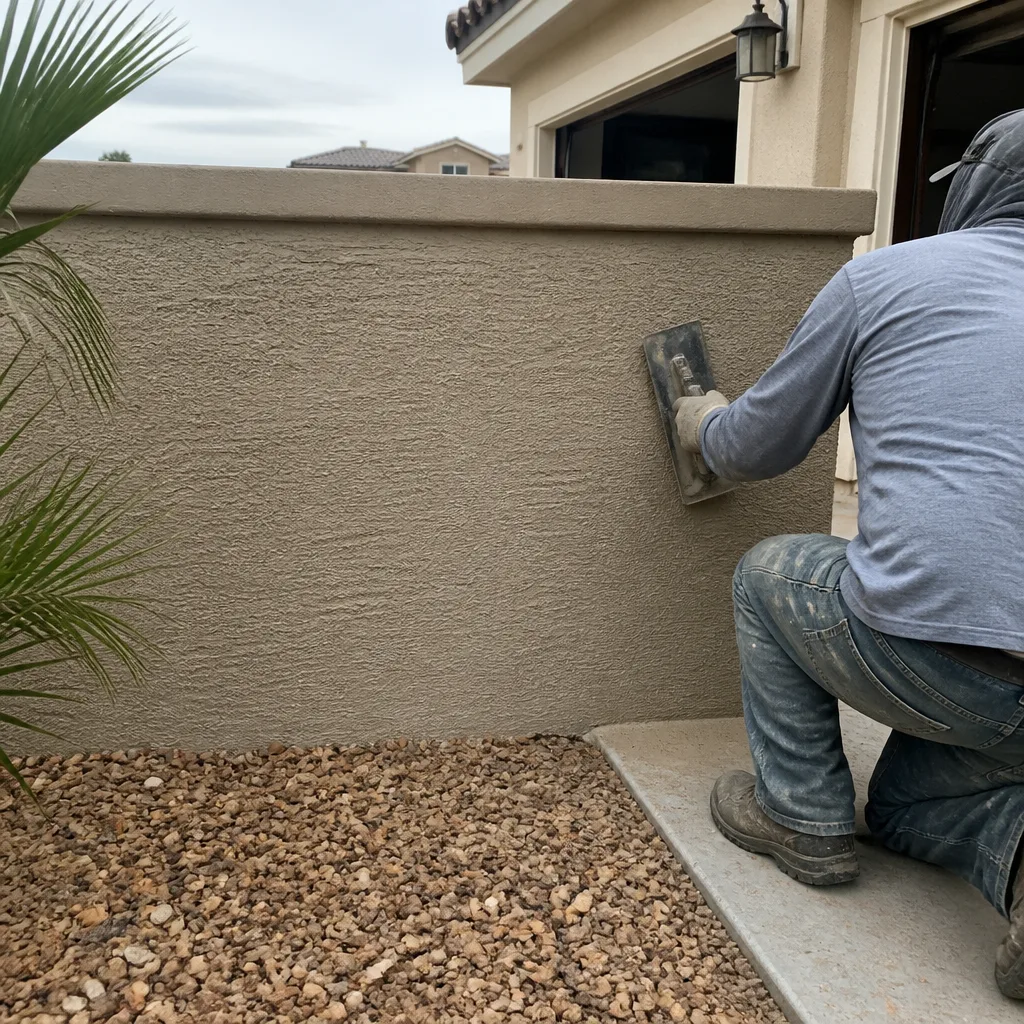
Stucco Patches That Don’t Match
Stucco color and texture matching is difficult anywhere. In Southern Nevada, it is brutal because UV exposure bleaches existing stucco at a predictable rate. A homeowner patches a crack or a plumbing access hole, matches the color at the time of application, and within one summer the patch has faded at a different rate than the surrounding wall. The result is a visible patch panel. Professional stucco work in Paradise accounts for UV fade rates when blending color. The DIY cost of doing it twice, including the material from the first attempt, typically exceeds the cost of hiring it done once.
Caulk Applied in the Wrong Temperature Range
This is a repeat of the heat-exposure section, but the cost angle matters. Exterior caulk failure around windows, doors, and trim in Paradise doesn’t just mean redoing the caulk. It means water intrusion during the next monsoon season, which means interior drywall repair, possible mold remediation, and stucco repair at the water entry point. A $12 tube of caulk applied at the wrong temperature turns into a $3,800 water damage repair. The temperature window is printed on the cartridge. Nobody reads it in July.
Improperly Sloped Hardscape That Drains Toward Foundations
Southern Nevada gets less than 5 inches of annual rainfall, but when it rains, it rains hard and fast. Flash flood conditions in Paradise are real, and the slope of hardscape around your foundation is the difference between water running away from your slab and water pooling against it. DIY paver or concrete work that isn’t graded to a minimum 2-percent slope away from the structure directs monsoon water into your foundation. The consequence is slab heave, crack propagation, and in serious cases, structural repair. Once the pavers are set and the concrete is poured, the fix requires full removal. The home renovation work we handle in Paradise frequently includes correcting exactly this DIY error from previous owners.
Where DIY Genuinely Makes Sense in Paradise
The goal here isn’t to talk you out of every weekend project. It’s to draw the line accurately. Here is where DIY genuinely works in Paradise, without permit triggers, warranty issues, or heat exposure risk:
- Interior painting: No permit required. No warranty implications. No heat exposure as long as you’re working inside with cooling. Paradise’s low humidity actually helps interior paint cure consistently. Wall prep matters more than paint application, and that’s learnable on YouTube in an afternoon.
- Cabinet hardware swaps: New pulls and knobs on existing KraftMaid or Wellborn cabinetry is a one-afternoon project with a drill and a template. No code implications. No warranty void. High visual impact per dollar spent.
- Landscaping plant selection: Choosing and planting desert-adapted species is genuinely DIY-friendly and Paradise-specific knowledge pays off here. Knowing which plants tolerate reflected heat from south-facing stucco walls, which need afternoon shade, and which survive the winter lows matters more than planting technique.
- Interior fixture swaps: Replacing a Moen or Delta bathroom faucet, a light fixture, or a toilet seat is DIY-appropriate. Faucet swaps follow manufacturer instructions with basic plumbing knowledge. No permit required for like-for-like replacement in Paradise.
- Caulking interior surfaces: Interior caulk around baseboards, inside cabinet seams, or around interior door trim is fine. The temperature range issue applies to exterior applications. Inside your climate-controlled Paradise home, conditions are always in the acceptable range.
Material Brand Depth: Why Sourcing Matters in Paradise
Here is a factor most DIY-vs-professional discussions skip entirely: material access. The homeowner can buy what the big-box stores in Paradise stock. The contractor can source from manufacturer-direct channels and authorized distributors across Southern Nevada and beyond. That gap determines what actually gets installed.
Ellsworth Contractors works with verified manufacturers across every major category. Countertops from Cambria, Silestone, and Caesarstone. Cabinetry from KraftMaid and Wellborn. Plumbing fixtures from Kohler, Grohe, and Toto. Roofing from GAF, CertainTeed, Owens Corning, IKO, Atlas, Tamko, and Boral. Siding from James Hardie. Windows and doors from Therma-Tru, PGT, and CGI. Hardscaping from Belgard, Unilock, Tremron, Techo-Bloc, Cambridge Pavers, and Oldcastle. Fencing from Master Halco, Ameristar, and Jerith.
The point is not brand-name dropping. It is that the right product for a Paradise home is often not the product sitting on the shelf at a retail supplier. A homeowner doing a DIY kitchen remodel buys what’s available. A home remodeling contractor working in Paradise specifies what the project actually needs, because the supplier relationships make that specification possible. Built to last, specified to fit. That’s the structural advantage of professional sourcing.
ADUs and Prefab: Expanding What Your Paradise Property Can Do
Accessory dwelling units are one of the fastest-growing project categories across Clark County, and Paradise is seeing significant ADU interest as property values push homeowners toward maximizing lot utility. The prefab ADU category is worth understanding because it collapses the DIY conversation entirely. You cannot self-build an Abodu, Dvele, Mighty Buildings, Boxabl, or Plant Prefab structure. These are factory-built units that require site preparation, foundation work, utility connections, and Clark County inspections, all of which require licensed contractors.
What prefab ADU partnerships do change is the project timeline and coordination burden. A traditional stick-built ADU in Paradise takes 12 to 18 months from permit to occupancy. A prefab unit, depending on the manufacturer and site conditions, can compress that significantly because the structure is built in a factory while site work happens concurrently. The coordination still requires a general contractor who understands utility trenching, foundation engineering, and Clark County ADU ordinance. The scope-spanning capability, from roofline to paver, is what makes the ADU project feasible without the homeowner managing six separate subs.
The ADU conversation is about expanding what your Paradise property can do, not about a niche product. It is the difference between a contractor who can frame a structure and a contractor who can coordinate a factory-built home delivery, utility connection, and finish work as a single accountable sequence.
Common Mistakes to Avoid
- Assuming the permit requirement is optional. Clark County permit requirements for structural, electrical, and gas work are not suggestions. Unpermitted work becomes a sale blocker and an insurance denial trigger. The cost of pulling the permit through a licensed contractor is always less than the cost of fixing an unpermitted installation.
- Discounting the warranty language until after the failure. The time to read the warranty is before you buy the material, not after the installation fails. Roofing, window, and HVAC warranties in particular are explicit about certified installation requirements, and the manufacturer will not make exceptions for a competent DIY job.
- Underestimating Paradise heat as a material factor. The heat in Paradise doesn’t just make work unpleasant. It changes how caulk cures, how stucco sets, how concrete hydrates, and how roofing materials behave underfoot. Ignoring the temperature range on the product label is the single most common DIY mistake we see in this market.
- Draining hardscape toward the foundation. Improper drainage slope on DIY pavers or concrete doesn’t show up as a problem until the first heavy monsoon rain. By then, the material is set and the fix requires full removal. Get the slope right on the first attempt or don’t attempt it.
- Mixing DIY and professional work without a defined scope line. A common Paradise pattern is a homeowner who starts a kitchen remodel DIY, gets through demo, and then realizes the scope includes electrical, plumbing, and structural elements that require permits. The result is a house torn apart with no contractor willing to take over mid-project without charging for corrections. Define the permit-triggering scope before you start demo, not after.
- Choosing materials based on availability rather than suitability. The big-box store stocks what sells in volume. That product may be perfectly fine for some applications and wrong for your Paradise home’s specific exposure, drainage, or structural conditions. Material selection driven by the project’s needs, not by what’s on the shelf, is the professional standard for a reason.
When to Call a Professional
Call a professional when the project involves a Clark County permit requirement, a manufacturer warranty condition, or exterior work that must be performed during Paradise’s heat season. Roofing, stucco, exterior caulking, hardscape installation, electrical work, gas line work, window and door replacement, and any structural modification fall outside the DIY column for reasons detailed throughout this guide. If you’re uncertain whether your project crosses that line, ask during the estimate process, or explore more guides & resources to help decide. A licensed contractor will tell you what requires a permit and what doesn’t, because the permit inspection is part of their accountability. Ellsworth Contractors offers free estimates in Paradise. Call (888) 445-6077 to schedule one, and we’ll give you a straight answer on scope, permits, and realistic timelines whether or not you hire us.
Frequently Asked Questions
The honest answer is that DIY saves money on interior cosmetic work only. Interior painting, cabinet hardware, and fixture swaps can save you $500 to $3,000 compared to hiring. But on permit-required or warranty-sensitive work, DIY typically costs more than professional installation once you factor in rework, voided warranties, and the correction costs when the work fails inspection or sale disclosure. Call (888) 445-6077 for a scope-specific estimate and a straight comparison.
Clark County allows homeowner permits for limited scope items like water heater replacement and some interior work, but structural, electrical panel, and gas line permits require licensed contractors. The permit counter will not issue those permits to a homeowner, regardless of experience. This is not a skill judgment. It is a code requirement.
Exterior caulk applied during summer heat. The temperature range on most exterior sealants is 40 to 90 degrees Fahrenheit, and Paradise exceeds that range for months at a time. The caulk looks fine initially and then fails at the bond line, creating a water intrusion path during monsoon season. The fix costs far more than hiring the caulking done correctly in the first place.
Yes, for most major manufacturers. GAF, CertainTeed, and Owens Corning all require certified installation for their premium warranty tiers. The Owens Corning Duration Series warranty, one of the most common products installed in Paradise, is void without certified contractor installation. The material cost is identical whether you buy it or a contractor does. The warranty coverage is not.
Structural modifications, electrical panel upgrades, gas line work, HVAC replacement, roofing, window and door replacement, and hardscape installation that affects drainage all require licensed contractors in Paradise. Interior painting, cabinet hardware, and fixture swaps do not. When in doubt, ask during the free estimate, because the permit requirement determines everything else.
For interior cosmetic work where no permit or warranty applies, DIY is a legitimate option that saves money. For everything else, hiring a licensed contractor is better because Clark County code, manufacturer warranty language, and Paradise’s heat and monsoon conditions make the DIY path legally risky, warrantyless, and expensive to correct. Call (888) 445-6077 for a free estimate and an honest scope assessment. Estimates are free, and the answer will be straight either way.
The Bottom Line
The DIY vs. professional decision in Paradise is not about how handy you are. It is about Clark County permit code, manufacturer warranty conditions, and Southern Nevada’s heat and monsoon environment. Those three factors automatically exclude structural work, electrical panels, gas lines, roofing, windows, stucco, and hardscaping from the DIY column, regardless of skill. What remains in the DIY column is interior cosmetic work that carries no permit trigger and no warranty consequence. Paint the walls. Swap the hardware. Replace the faucet with a Moen or Delta unit. Call a licensed contractor for everything else, and call (888) 445-6077 to get the honest scope assessment that tells you which column your project actually falls in. The Ellsworth Contractors home team serves Paradise with one contractor and every system, from roofline to paver.
Written by the team at Ellsworth Contractors, serving Paradise since 2014.
See the difference
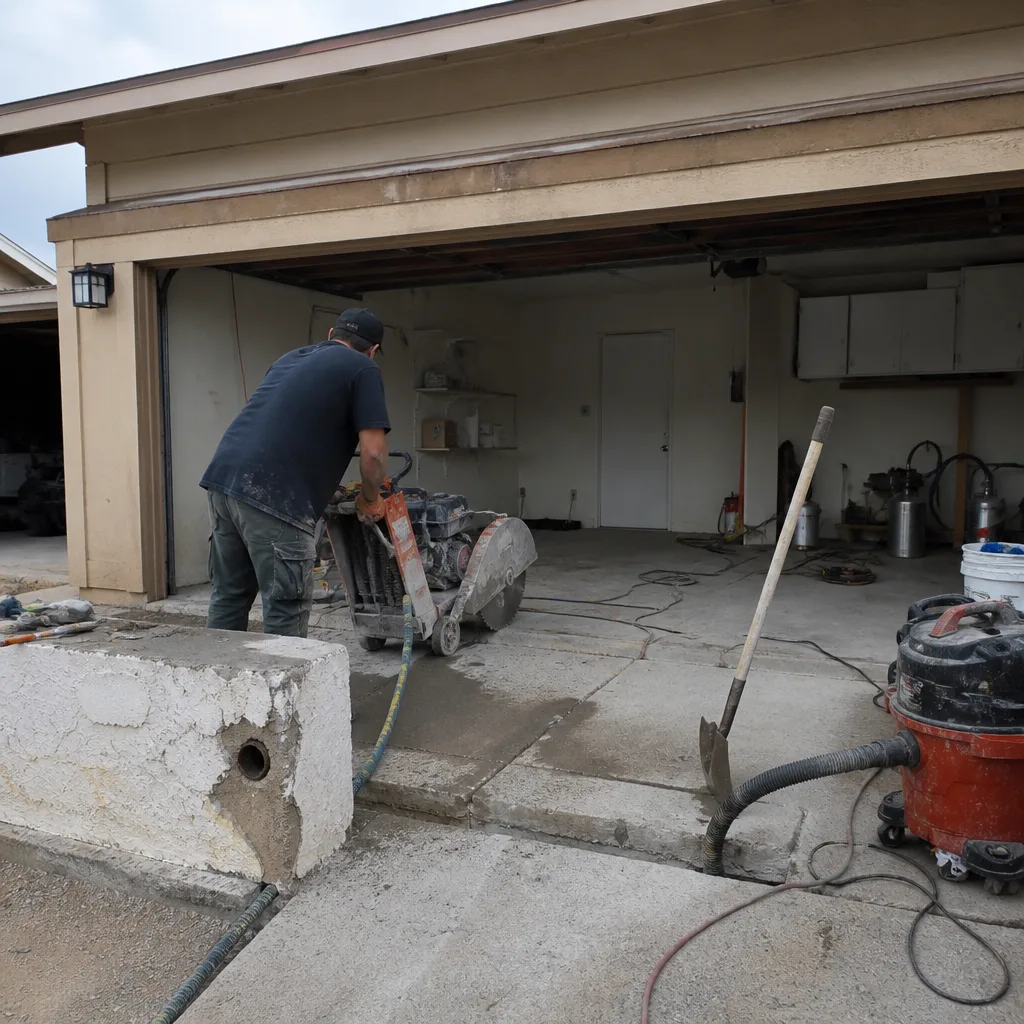 Before
 After
 Before
 After
 Before
 After