
Last updated October 31, 2026
 Kitchen remodeling
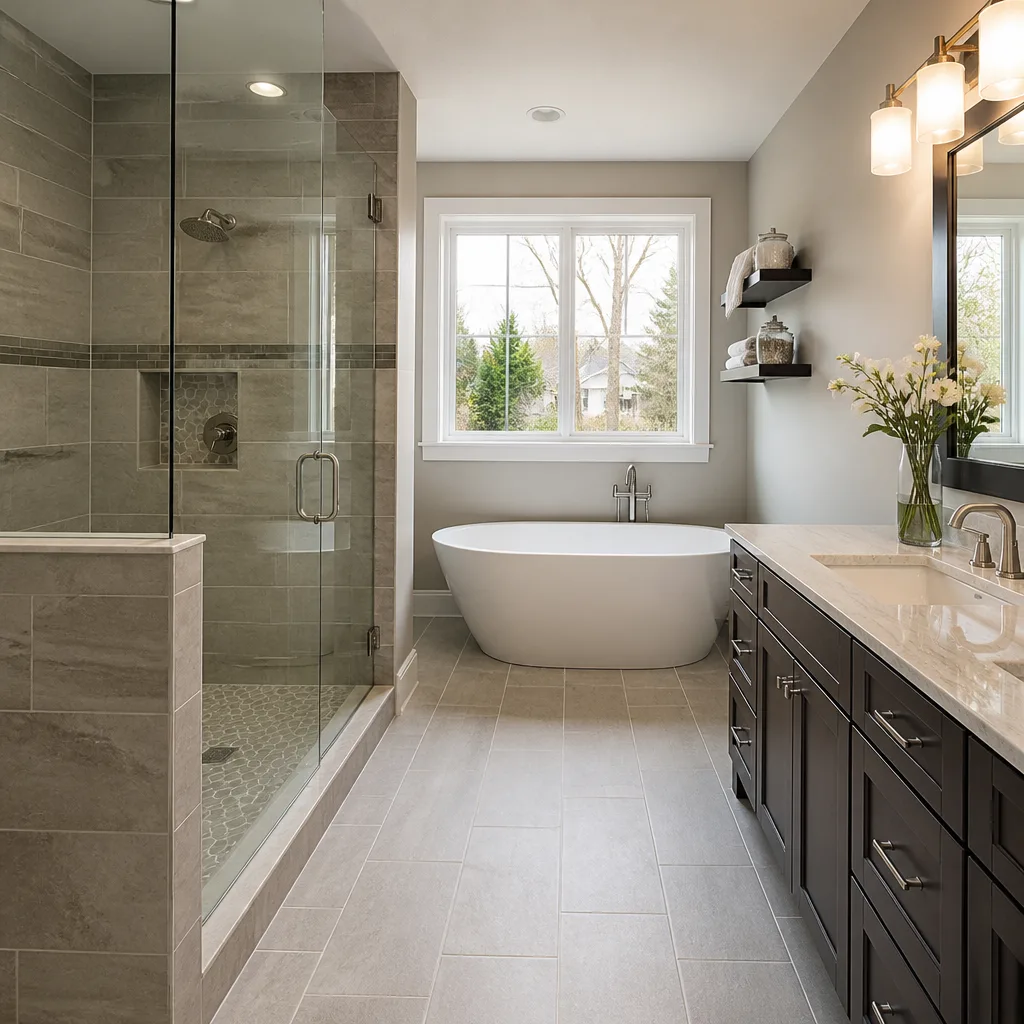 Bathroom remodeling
 Home additions & ADU
 Roofing
 Windows & doors
 Driveway & pavers
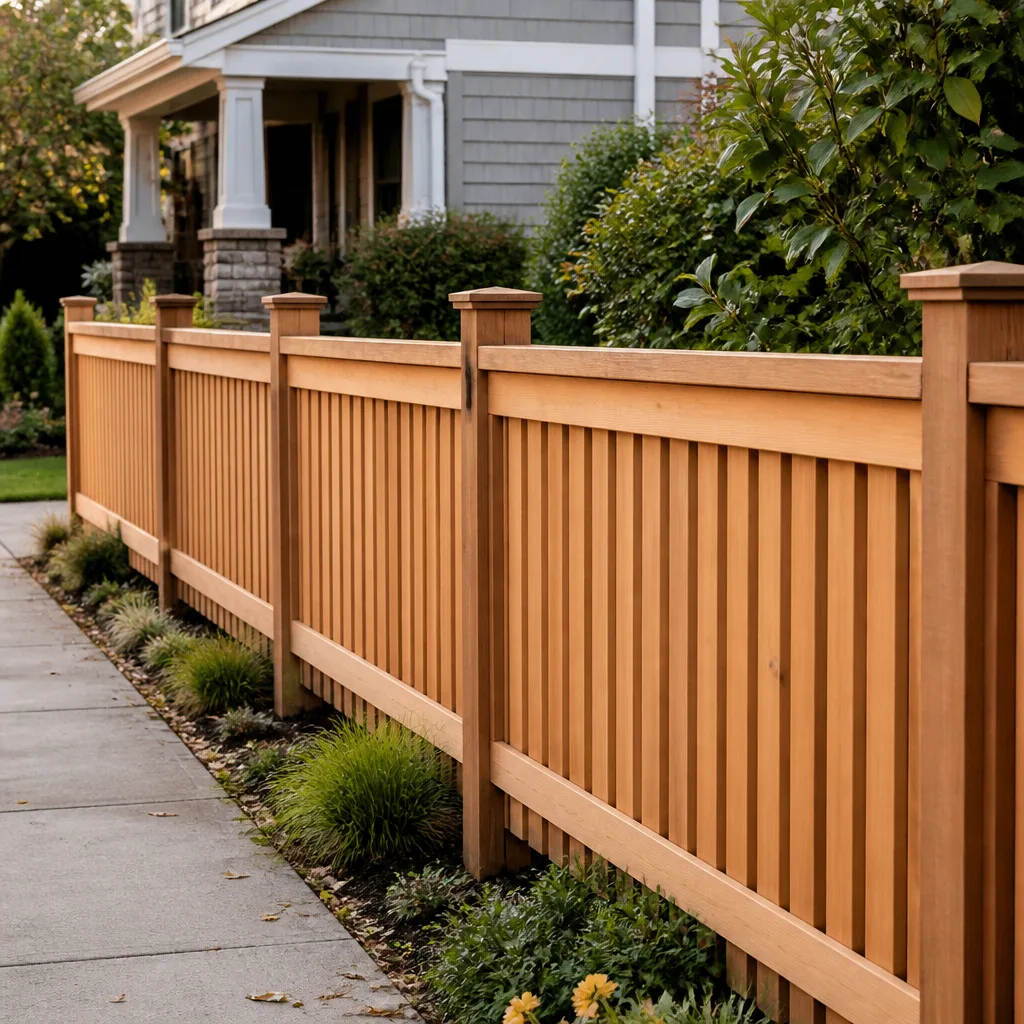 Fence
Free written scope consultation - allowances, timeline, and change-order rules on paper before a single trade is scheduled
How to Hire a Construction Contractor in Paradise: A Step-by-Step Guide
Nevada consistently ranks among the top states for contractor fraud complaints per capita, and Clark County is the epicenter. The most common scenario in Paradise isn’t an outright scam from a stranger in a pickup truck. It’s a licensed contractor who quietly subs your job to an unlicensed crew, collects the progress payments, and stops answering calls when punch-list items go unfinished. This guide walks you through the exact verification steps, contract clauses, and payment structures that protect your money before a single nail is driven. For The Complete General Contractor Guide for Paradise Homeowners and more guides & resources, visit our blog. What we’re sharing here comes from years of working in Paradise’s construction market, where we’ve watched the same expensive mistakes repeat across kitchen remodels, roof replacements, and ADU builds.
Styles & brands we work with
Quick Answer
To hire a construction contractor in Paradise, NV, verify their license status and workman’s comp coverage through the Nevada State Contractors Board (NSCB), request a certificate of insurance with an additional insured endorsement, check for local Paradise project references, and require a contract that ties payments to Clark County inspection milestones rather than calendar dates. Choosing the Right Construction Brand: A Buyer’s Guide for Paradise can help you evaluate a single-source general contractor with a documented material sourcing list, which reduces your legal exposure compared to juggling multiple specialty trades.
Table of Contents
- Step 1: Verify the License (The 3-Minute Check Most Homeowners Skip)
- Step 2: Request the Right Insurance Documents (Not Just a COI)
- Step 3: Vet Local Paradise References the Right Way
- Step 4: Build a Contract That Protects You
- Step 5: Structure Payments Around Inspection Milestones
- Step 6: Why a Single-Source GC Reduces Your Risk
- Common Mistakes to Avoid
- When to Call a Professional
- Frequently Asked Questions
- The Bottom Line
Step 1: Verify the License (The 3-Minute Check Most Homeowners Skip)
The Nevada State Contractors Board maintains a public license lookup tool that tells you more than whether a contractor “has a license.” It shows the license classification, status, bonding amount, and complaint history. In Paradise, where the construction market heats up after every housing cycle, unlicensed operators surface quickly. Here’s how to run the check properly.
How to Pull an NSCB Record
- Go to the NSCB website and click the license search tool.
- Enter the contractor’s license number (not just the business name – names get faked) or search by business name if you don’t have the number.
- Check the status field. A license marked “active” means the contractor is currently compliant with bonding and insurance requirements. A license marked “conditional” means the NSCB has placed restrictions – this is a red flag worth asking about in writing.
- Review the complaint history. The NSCB publishes disciplinary actions. A contractor with repeated citations for abandoning projects or failing to pay subcontractors is a risk no matter how good their portfolio looks.
- Match the classification. A contractor licensed for “Class B” general building work may legally handle most of Paradise’s renovation projects, but a “Class C” license is limited to a specific specialty, like roofing or concrete. You want a contractor whose classification actually covers the scope of work you’re hiring for.
What “Active” Doesn’t Tell You
An active license means the contractor is legal to operate in Nevada today. It does not mean the contractor is good at their job, pays their subs, or will honor a warranty. That’s why the license check is step one, not the final step. We’ve seen homeowners in Paradise stop their vetting at this point and later discover the contractor has ten open NSCB complaints that haven’t yet resulted in disciplinary action. Run the check, then keep moving through the rest of this guide.
For a more detailed look at what a proper general contractor engagement involves, start with our General Contractor in Paradise page.
Step 2: Request the Right Insurance Documents (Not Just a COI)
Insurance verification in Nevada trips up even careful homeowners. The mistake isn’t failing to ask for insurance – it’s accepting the wrong document. A standard certificate of insurance (COI) tells you a policy existed on the day the certificate was issued. It doesn’t protect you if the policy lapses next week, and it doesn’t make you a party who can file a claim directly against that policy if something goes wrong on your property.
What to Request in Writing
- General liability with a minimum of $1 million per occurrence. This covers property damage the contractor causes and some injury scenarios. Ask for $2 million if your project is large or involves structural work.
- Workers’ compensation coverage. In Nevada, contractors with employees are required to carry workers’ comp. If a contractor shows you a waiver, that means they have no employees – and you need to ask who, exactly, will be doing the physical work. A crew of 1099 “independent contractors” without workers’ comp creates a liability exposure for you as the property owner.
- An additional insured endorsement. This is the piece most Paradise homeowners miss. The endorsement adds you to the contractor’s liability policy for the duration of your project. Without it, you cannot file a claim directly against the contractor’s insurance – you have to sue the contractor and hope they have assets. Request that the endorsement be issued specifically for your address and project.
- A current date on the certificate. Request a fresh COI within 30 days of your project start date, and ask the contractor to provide a renewal certificate if the policy expires mid-project.
Why the Additional Insured Endorsement Matters in Paradise
Clark County’s construction market is boom-bust by nature. When business is good, contractors stretch thin and subs get sloppy. When business slows, some contractors shut down operations entirely and reopen under a new name. If your contractor disappears mid-project, an additional insured endorsement means you can file a claim against the liability policy directly, regardless of whether the contractor is still answering their phone. Without it, you’re in line behind creditors if the company folds.
We always recommend homeowners in Paradise confirm insurance coverage before signing anything. If you’re starting a kitchen or bath project, our Home Remodeling in Paradise guide covers the scoping process in detail.
Step 3: Vet Local Paradise References the Right Way
Every contractor can produce three references. The key is knowing what to ask those references and spotting the pattern when they can’t produce local ones. A contractor who built ten projects in Summerlin and Henderson but “doesn’t have any current Paradise clients” is a contractor who either doesn’t work this area often or doesn’t want you talking to the people who know their work best.
Questions That Get Real Answers
- “Did the crew show up every day, or did the project stall for weeks at a time?” The reference’s tone will tell you more than the words.
- “Did the final cost match the contract, and if not, what changed?” Change orders are normal. A reference who says “the price doubled and we never understood why” is a warning.
- “Who was on site actually doing the work?” This catches the sub-contracting problem. If the reference says “some different crew showed up halfway through,” ask follow-up questions.
- “How long did punch-list items take to get resolved after the final payment?” The best contractors finish punch lists fast because they haven’t been paid in full until items are complete. Contractors who vanish after the last check often left a long punch list behind.
- “Would you hire them again for a project of the same size?” The simplest and most revealing question. Hesitation is a no.
Paradise-Specific Red Flags
We’ve heard every variation of “references are private” and “my clients prefer not to be contacted.” Here’s what actually signals trouble in this market: no project photos from the last twelve months, no completed jobs in your zip code, and references who all live in the same development (often the contractor’s relatives). A legitimate Paradise contractor doing regular work here will have recent local projects and should be able to give you the address of a finished exterior project you can drive past without disturbing anyone.
When you’re evaluating a contractor’s breadth, pay attention to how many different types of projects they’ve actually completed. A contractor who has only done paint-grade work and bids your custom cabinetry job is guessing. Our Home Renovation in Paradise page explains how we scope projects so material choices, trade sequence, and deadlines are defined before demolition starts.
Step 4: Build a Contract That Protects You
Nevada law requires written contracts for construction work over $1,000, but a legally compliant contract and a protective contract are two different things. Most contractor contracts are written to protect the contractor. Yours should be written to protect both parties – which means it needs specific clauses that go beyond what the template from an office supply store includes.
Clauses That Belong in Every Paradise Construction Contract
- Scope of work with material specifications. Not just “install kitchen cabinets” but “install Wellborn cabinetry in maple with soft-close hardware, sizes per attached drawings.” When materials are named, substitution becomes a change order, not a surprise.
- Material escalation clause with a cap. Lumber and steel prices in Nevada swing with national markets. A reasonable contract says the price of specified materials may adjust if a manufacturer’s published price changes more than a certain percentage, and any adjustment requires written notice before the material is ordered. A contract with no escalation clause means the contractor is eating increases (good for you, until they start cutting corners) or you’re absorbing surprises (bad for you).
- Change order process in writing. Every change order should state what’s changing, what it costs, and how it shifts the schedule. Verbal changes are how scope creep happens.
- Permit responsibility. The contract should state clearly that the contractor is responsible for pulling all Clark County permits and scheduling required inspections. A contractor who asks you to pull the permit yourself is shifting liability onto you.
- Lien release language. Nevada law allows subcontractors and material suppliers to file mechanics liens against your property if the general contractor doesn’t pay them. Your contract should require the GC to provide conditional and unconditional lien releases from every sub and supplier before each progress payment is released.
- A defined punch-list process. State how punch-list items are identified (usually during a final walkthrough), how long the contractor has to complete them (15-30 days is common), and how much money is withheld until completion.
If a contractor resists any of these clauses, you’ve learned something useful. In our experience, the contractors who push back hardest on lien releases and material specifications are the ones whose business practices can’t withstand that level of scrutiny.
Step 5: Structure Payments Around Inspection Milestones
Payment schedules based on calendar dates are a trap. A contractor who gets 30% on day 1, 30% on day 30, and 40% on day 60 gets paid whether or not work has actually progressed. What you want is a schedule tied to verifiable completion points – and in Clark County, inspection approvals are the cleanest verification you’ll get.
A Sample Payment Structure for a Paradise Remodel
- 10-15% at contract signing. This covers mobilization and initial material orders. Any contractor asking for 30% or more upfront is signaling cash-flow problems.
- 20-25% after demolition and rough framing pass inspection. You’re paying for physical work that has been completed and verified by a Clark County building inspector.
- 20-25% after rough-in work (electrical, plumbing, HVAC) passes inspection. This is a major milestone – the systems are in, and the inspector has confirmed they meet code.
- 20-25% after drywall and finishes are substantially complete. The project is visibly nearing the end.
- 10-15% after final inspection passes and the punch list is complete. Hold this until every item on the list is done. Not “mostly done” – done.
In Paradise, where summer temperatures make exterior work brutal, some contractors front-load schedules to cover material costs before summer pricing spikes—see our Seasonal Construction Care for Paradise: Year-Round Homeowner’s Guide for more on timing considerations. That can be legitimate – but it’s a request you should evaluate carefully, with documentation of what materials are being ordered and why the advance is needed.
And never pay cash. Check or credit card. Cash payments are untraceable in a dispute, and Nevada fraud cases against unlicensed contractors frequently hinge on cash deals with no paper trail.
Step 6: Why a Single-Source GC Reduces Your Risk
Hiring separate contractors for the roof, the kitchen, and the hardscape feels like you’re saving money by cutting out the middleman. In practice, you’re creating overlapping scopes of work and handing yourself the job of project manager. When a plumbing issue inside the wall delays the tile contractor, the tile contractor bills you for the lost day. When the window installer’s flashing fails and water gets behind the siding, the siding contractor says it’s not their problem. You’re left holding disputes between trades that don’t answer to each other.
A single-source general contractor carries the coordination burden and the liability for the full sequence of work. One contract. One point of accountability. One insurance policy to claim against. That’s not a convenience argument – it’s a legal structure argument. In Nevada, when you hire four separate contractors with overlapping scopes, a defect claim becomes a circular fight about which trade caused it. When you hire one GC, the GC owns the outcome.
Scope breadth also matters for material sourcing. Our approach at Ellsworth Contractors home is built around this principle: one contractor capable of handling everything from roofing systems to cabinetry to hardscaping, sourcing from named manufacturers so the right product is available without substitutions. When a contractor works with brands like Grohe for plumbing fixtures and Schluter for waterproofing substrates, you’re getting systems that are designed to integrate, not piecemeal components that happen to sit near each other.
Common Mistakes to Avoid
- Hiring based on the lowest bid without comparing scope. In Paradise’s competitive market, a bid 20% below the next two almost always reflects omitted scope, cheaper materials, or a contractor who hasn’t priced the job correctly. You’ll pay the difference in change orders.
- Skipping the NSCB complaint history check. The license number checks out as “active,” so homeowners stop looking. The complaint history is where patterns emerge, and it takes ninety seconds to review.
- Accepting a certificate of insurance without an additional insured endorsement. This is the single most common insurance mistake we see in Paradise. The COI looks official, so homeowners assume they’re protected. They aren’t.
- Paying large deposits before any work is done. A contractor who demands 50% upfront and then delays the start date has already eroded your leverage. Deposits above 15% for non-custom materials should be justified in writing.
- Relying on verbal promises. “We’ll take care of that in the punch list” means nothing if it isn’t written down. Nevada courts enforce written contracts, not memories.
- Assuming the contractor pulled permits because they said so. You can verify permits through the Clark County Building Department. If a contractor tells you a permit “isn’t needed,” check that claim directly with the county before work starts.
- Ignoring material substitution clauses buried in the fine print. Some contracts allow substitution of “comparable” materials at the contractor’s discretion. In practice, that often means swap-outs to cheaper products that meet a looser standard. If brands matter to you – say, Toto fixtures or Sterling tubs – put them in the contract.
When to Call a Professional
You should bring in a licensed general contractor when the scope of work touches more than one trade, involves structural changes, or requires Clark County permits. Kitchen remodels with layout changes, bathroom overhauls that involve moving plumbing, roof replacements, and ADU additions all fall squarely in this category. The same applies to any project where material selection drives the outcome – when you want Cambria countertops, James Hardie siding, or a Schluter waterproofing system, you need a contractor who works with those manufacturers, not one who stocks whatever’s on sale.
Ellsworth Contractors offers free estimates in Paradise. Call (888) 445-6077 to schedule yours.
Frequently Asked Questions
General contractor rates in Paradise typically fall between $65 and $150 per hour depending on scope, but most residential projects are bid as fixed-price contracts rather than hourly work. For an accurate number on your specific project, call (888) 445-6077 for a free estimate – we provide written line-item quotes so you can see exactly where every dollar goes.
Search the contractor’s license number on the Nevada State Contractors Board website and review the status, classification, bonding amount, and complaint history. An “active” license means they’re currently compliant; anything marked “conditional” or with open complaints deserves a written explanation before you sign a contract.
Most structural, electrical, plumbing, and HVAC work in Paradise requires a Clark County building permit. Your contractor should pull the permits in their name – that places the liability for code compliance on them, not on you. If a contractor suggests skipping permits to save time or money, walk away.
A standard kitchen remodel in Paradise takes 6 to 12 weeks from demolition to final inspection, depending on whether you’re changing the layout, moving plumbing, or ordering custom cabinetry. Cabinet lead times from manufacturers like KraftMaid and Wellborn can add 4-8 weeks, so material selection should happen early in the process.
Only if the scope changes or if a material escalation clause is triggered and the contractor provides written notice per the contract terms. A properly written fixed-price contract with defined material specifications should hold its number for changes you didn’t request. Call (888) 445-6077 to get an exact quote for your project – every estimate is free.
A mechanics lien is a legal claim filed against your property by a subcontractor or material supplier who wasn’t paid by your general contractor. In Nevada, these liens can be filed even if you paid the GC in full. Protect yourself by requiring conditional and unconditional lien releases from every sub and supplier before each progress payment, and by working with a contractor who has a documented history of paying their subs on time.
The Bottom Line
Hiring a contractor in Paradise comes down to verification, documentation, and structure. Check the NSCB record beyond the status field. Demand an additional insured endorsement, not just a COI. Vet local references with specific questions about who actually did the work and how punch-list completion went. Put material names, lien release requirements, and inspection-based payment milestones in writing before the first check clears. A single-source contractor with a real manufacturer portfolio reduces your coordination burden and your legal exposure simultaneously. Get all of that right, and your Paradise project stands a much better chance of finishing on budget, on schedule, and without an attorney on speed dial. Find more guides & resources on our blog.
Call (888) 445-6077 to schedule your free estimate with Ellsworth Contractors in Paradise.
Written by the team at Ellsworth Contractors, serving Paradise since 2014.
See the difference
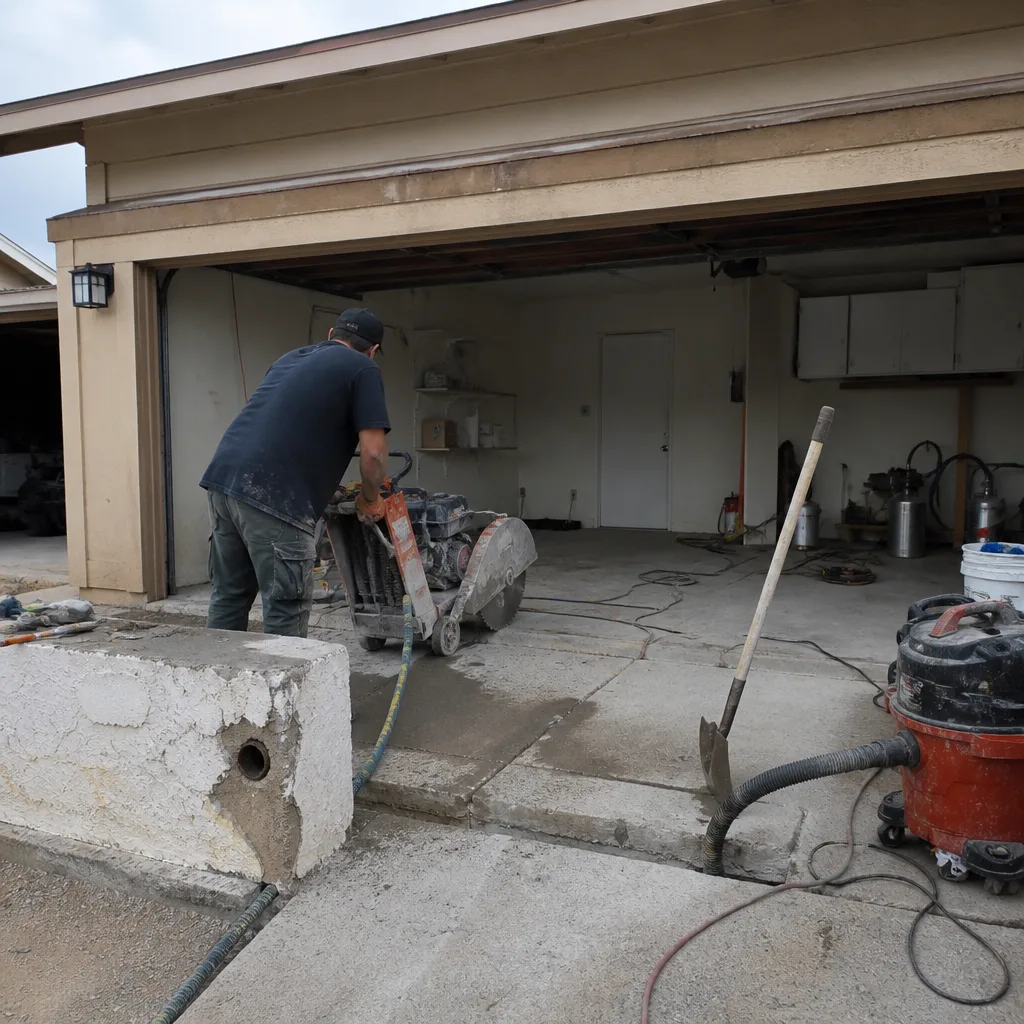 Before
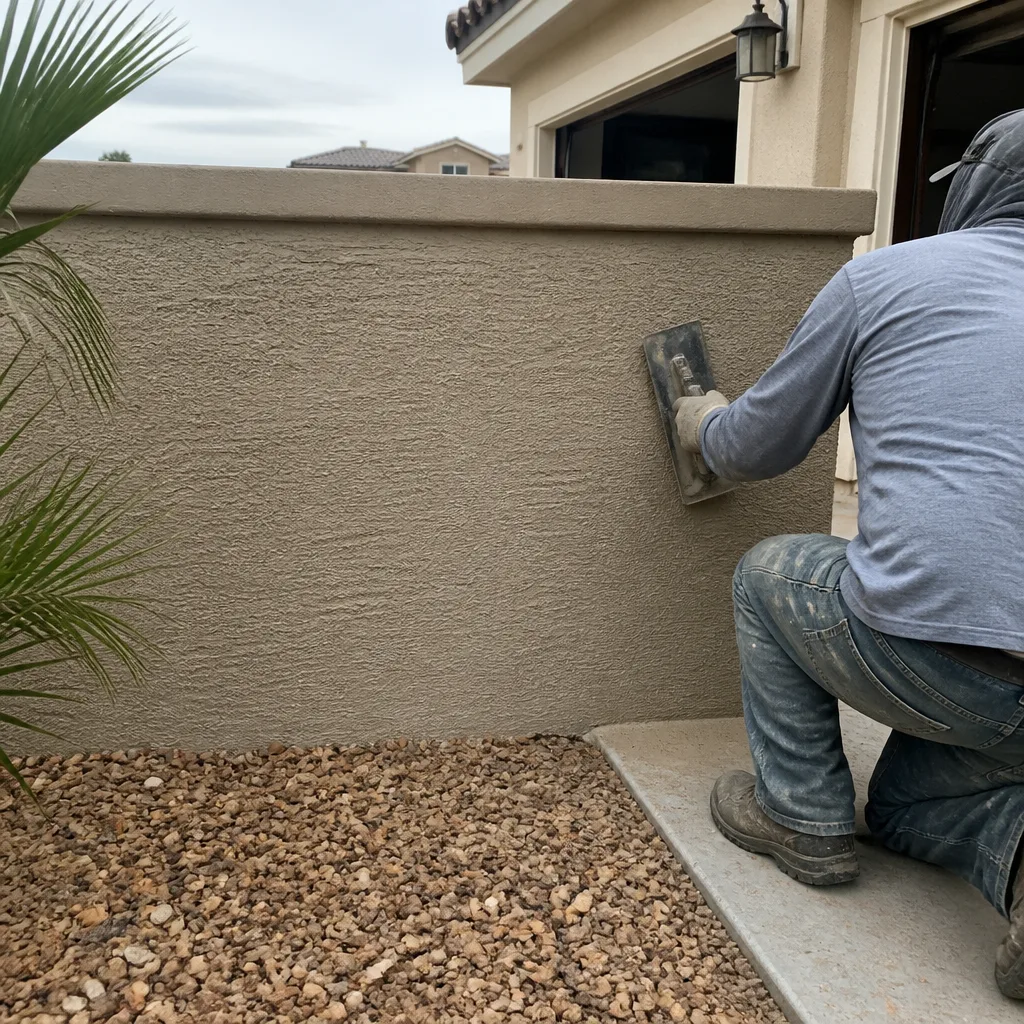 After
 Before
 After
 Before
 After