
Last updated October 31, 2026
 Kitchen remodeling
 Bathroom remodeling
 Home additions & ADU
 Roofing
 Windows & doors
 Driveway & pavers
 Fence
Free written scope consultation - allowances, timeline, and change-order rules on paper before a single trade is scheduled
Construction Permits, Codes & Inspections in NV: What You Need to Know
Nevada adopted the 2018 International Building Code as its base, but Clark County has local amendments that modify energy compliance requirements, specifically around cool-roof ratings and window SHGC values, that don’t appear in any national permit guide. If you’re planning a renovation in Paradise, the rules you’ll actually be held to won’t match what you find on generic building-code websites or in YouTube tutorials filmed in Texas. This guide covers the exact permit workflow for Clark County, the Nevada energy amendments most homeowners miss, what inspectors actually reject, and how unpermitted work comes back to haunt sellers. We’ve written it from the perspective of a contractor who pulls permits in Paradise regularly, and you can find a general contractor maintenance checklist for Paradise homeowners and more guides in our resources section, because the gap between what the state publishes and what the county enforces is where projects stall.
Quick Answer
Construction permits in Paradise are issued by Clark County, not the City of Las Vegas, and most structural, electrical, plumbing, and mechanical work requires either an over-the-counter permit or a plan review submittal through the Clark County Building Department. Nevada enforces the 2018 IECC with state-specific amendments under NAC 461, and Clark County adds its own amendments, including cool-roof and SHGC requirements that affect roofing and window replacement projects. Plan review timelines currently run two to six weeks depending on project scope, and inspections are scheduled sequentially with specific hold points.
Styles & brands we work with
Table of Contents
- Why Paradise Permits Come From Clark County, Not Las Vegas
- The Clark County Building Department Workflow: Over-the-Counter vs. Plan Review
- Nevada’s Energy Code Amendments (NAC 461) That Change Your Specs
- The Inspection Sequence for Roofs, Additions, and ADUs
- HOA Architectural Approval: The Pre-Permit Step Nobody Warns You About
- How Unpermitted Work Affects Home Resale in Clark County
- Common Mistakes to Avoid
- When to Call a Professional
- Frequently Asked Questions
Why Paradise Permits Come From Clark County, Not Las Vegas
Paradise is an unincorporated town. It sits entirely within Clark County, which means the City of Las Vegas has no permitting authority over any property inside Paradise boundaries. Homeowners in ZIP codes like 89169, 89119, 89103, and 89146 file with the Clark County Building Department, located in the Clark County Government Center complex in downtown Las Vegas. This jurisdictional split confuses national contractors constantly, and it matters because Clark County’s amendments differ from what the City of Las Vegas enforces just a few miles north.
Clark County operates its own building official, plan check staff, and inspection division. The county adopted the 2018 International Residential Code, 2018 International Building Code, 2018 International Energy Conservation Code, and 2018 Uniform Plumbing, Mechanical, and Electrical Codes as its base documents. But local amendments layer on top. For example, Clark County maintained specific provisions around wind design, solar readiness, and cool-roof energy compliance that are stricter than the state model. If a homeowner in Paradise hires an out-of-state contractor who bid the job based on the IECC alone, that bid is likely wrong on window SHGC, roof reflectance, or both.
In practice, what this means for a Paradise homeowner is simple: your project’s code compliance will be evaluated against a specific, local set of rules. The General Contractor in Paradise you hire needs to know those rules before they order windows or submit plans. Wrong specs at submittal mean rejected plan checks, and rejected plan checks mean weeks of delay before the first inspection ever gets scheduled.
The Clark County Building Department Workflow: Over-the-Counter vs. Plan Review
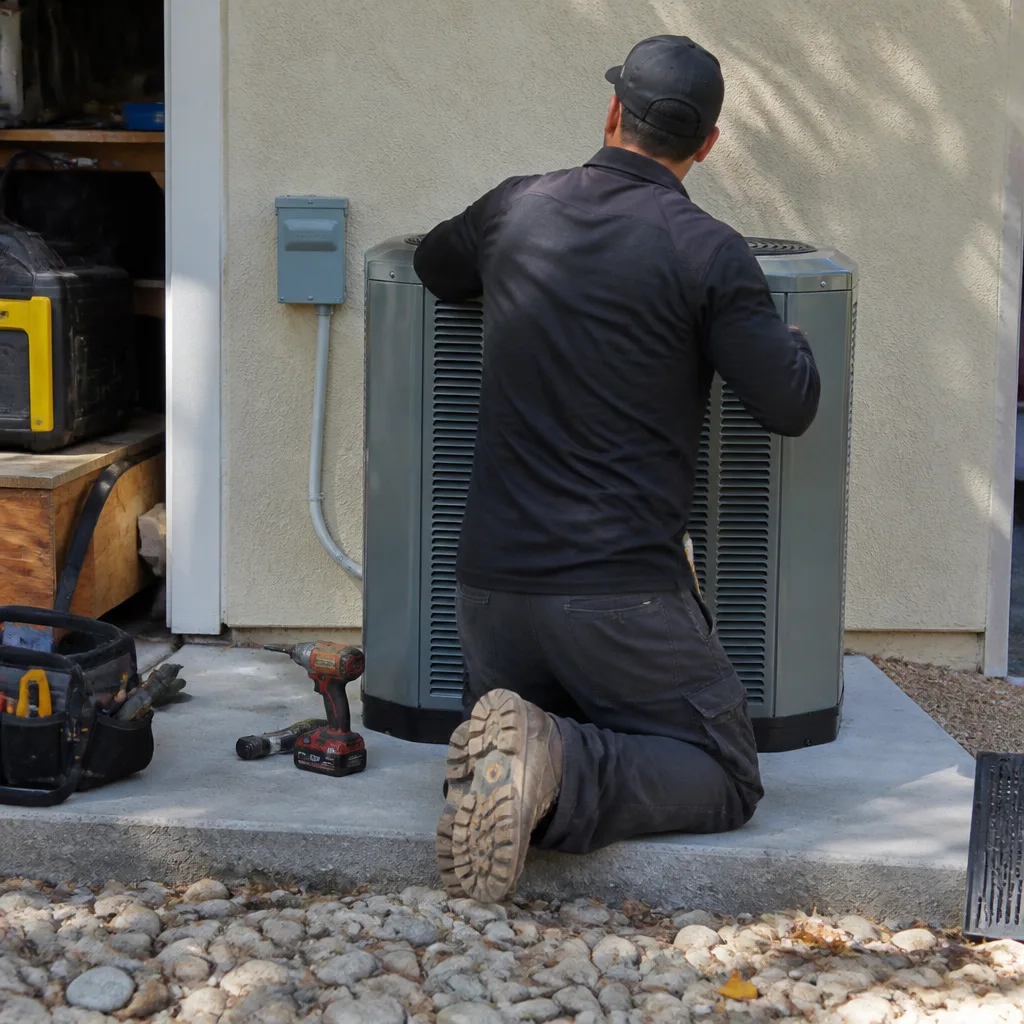
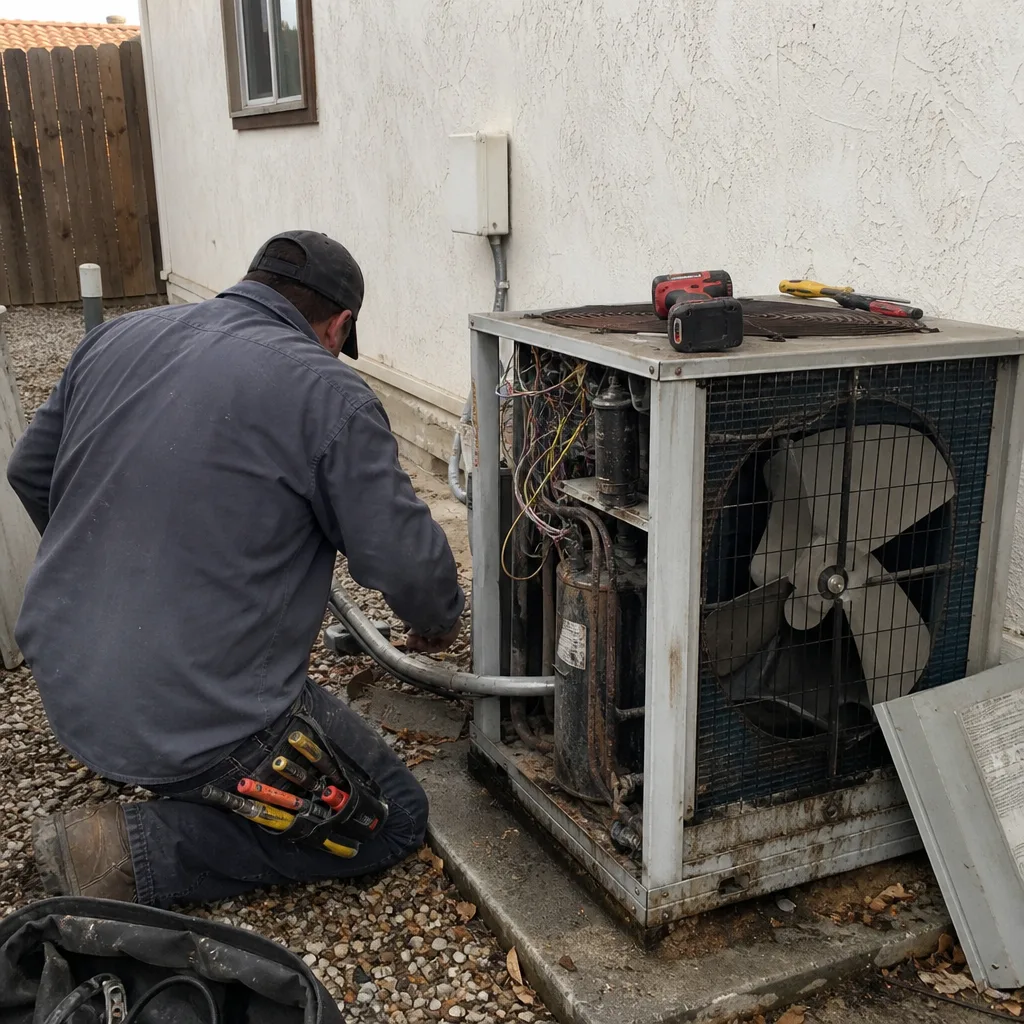
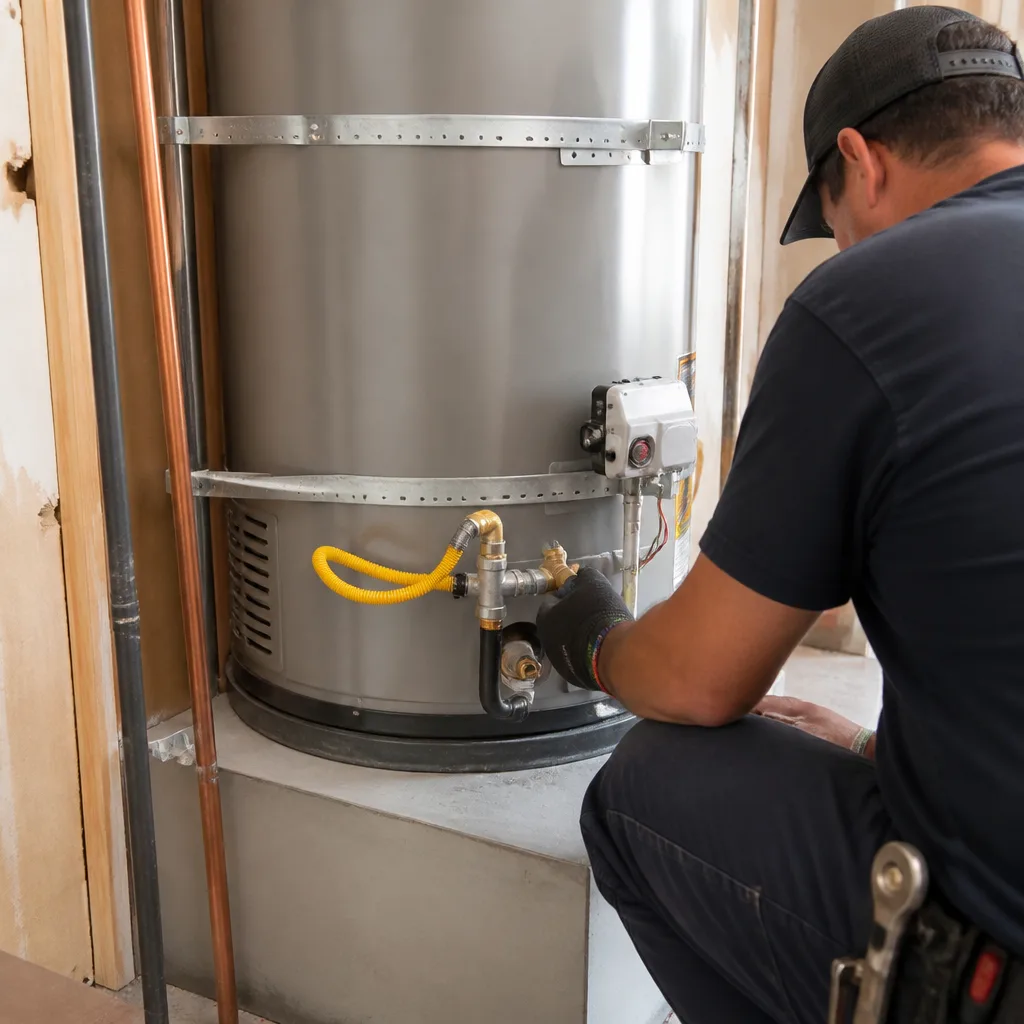
Clark County separates permits into two tracks: over-the-counter issuance and plan review submittal. Knowing which one your project falls into determines everything about timeline and cost. Over-the-counter permits are issued same-day at the county’s permit counter for simple scopes: water heater replacements, electrical panel swaps, like-for-like window replacements when no structural changes occur, roof cover replacements on simple roof geometries, and small mechanical equipment change-outs. These permits still require a contractor’s license number and in some cases a simple site plan, but they skip formal plan check.
Plan review submittal applies to anything involving structural changes, additions, new buildings, ADUs, or significant MEP relocations. The current workflow for plan review in Clark County is:
- Digital submittal through the county’s online portal. Drawings, structural calcs, energy calcs, and site plans are uploaded as PDFs. The county assigns a plan check number immediately.
- Initial triage review. Staff verify completeness within a few days. Incomplete submittals are rejected with a correction list before a plan checker ever looks at the project. This is the most common reason for first-round failure.
- Technical plan check. A licensed plan reviewer examines the drawings against the 2018 codes plus Clark County amendments. Current benchmark timelines run two weeks for residential additions, three to four weeks for new construction or ADUs, and up to six weeks during peak building season (spring and early fall).
- Correction cycles. Each round of resubmittal takes another one to two weeks. Most residential projects in Paradise go through one or two correction rounds.
- Permit issuance and fee payment. Once approved, fees are calculated based on valuation, and the permit is issued electronically with the inspector’s route number assigned.
We tell Paradise homeowners to budget four to six weeks from submittal to permit issuance for a typical kitchen remodel or single-story addition, and six to eight weeks for an ADU. Projects that need zoning review or floodplain determination add time. The home remodeling in Paradise projects we manage include this lead time in the schedule from day one, because surprises at plan check are the most expensive kind.
Nevada’s Energy Code Amendments (NAC 461) That Change Your Specs
Nevada’s energy code is not the same as the federal model energy code. The state adopted the 2018 IECC with amendments codified in NAC Chapter 461, and Clark County layers its own amendments on top. These provisions affect what gets approved at plan check and what passes final inspection. Here are the ones that actually bite Paradise homeowners:
- Window SHGC requirements lower than the IECC baseline. Nevada’s climate zones mean windows in Paradise must meet specific Solar Heat Gain Coefficient maximums, typically 0.25 or lower for the southern Nevada climate zone. A window package that meets national code minimums often fails Clark County review.
- Cool-roof reflectance standards. Clark County enforces cool-roof requirements for roof replacements on low-slope and steep-slope roofs. The county has accepted specific product classes with minimum aged solar reflectance and thermal emittance values. Roofing materials from manufacturers like GAF, CertainTeed, and Owens Corning have products that comply, but not every shingle or membrane in their catalogs does.
- Insulation R-value minimums. Ceiling insulation minimums for additions and new construction run higher than the 2018 IECC baseline in some assemblies. Blown-in attic insulation in Paradise additions typically needs to meet R-38 or higher depending on the ceiling type.
- Mechanical equipment sizing. Nevada amendments require a Manual J load calculation on file for new HVAC systems in additions and ADUs. Oversized equipment based on rule-of-thumb sizing gets flagged at plan check, and the HVAC contractor has to redo the load calc before the permit moves forward.
What this means in real terms: before you order windows for a Paradise remodel, have your contractor verify the SHGC against Clark County’s current amendment language. Before you choose a roof color for a replacement, verify the product’s CRRC rated values. These are not optional preferences. They are permit conditions.
The Inspection Sequence for Roofs, Additions, and ADUs
Inspections in Clark County are scheduled by phone or through the online portal, and the county assigns inspectors by geographic route. The sequence matters because each inspection releases the next phase of work. Skip an inspection and you’re opening walls later to prove what’s inside them, which is costly and avoidable.
Roof Replacement Inspection Sequence
- Pre-roof inspection (sheathing inspection). After tear-off, before underlayment. Inspector checks deck condition, fastener patterns, and that the nailable surface is sound.
- Underlayment or dry-in inspection. Depending on the roof assembly, the inspector may require a second look before shingles or membrane go down. This is the hold point most often missed on DIY roof projects in Paradise.
- Final roof inspection. After roof cover is installed. Inspector verifies product compliance, flashing details, cool-roof documentation, and that the permit job card is on site.
What gets rejected at these inspections: re-used flashing that’s corroded, drip edge missing at eaves, underlayment laps that are backwards, and missing cool-roof documentation. We’ve seen final roof inspections fail in Paradise because the homeowner installed a product that met the base code but not the Clark County cool-roof amendment, and no amount of arguing at the inspection fixes that—our Construction Warning Signs: A Paradise Homeowner’s Reference Guide covers how to avoid this.
Addition Inspection Sequence
- Footing and setback inspection. Before concrete is poured. Inspector verifies the foundation matches the approved site plan and that setbacks are correct from property lines.
- Rough framing inspection. After framing, before insulation. Inspector checks stud spacing, header sizes, hold-downs, shear panel nailing, and roof framing.
- Rough electrical, plumbing, and mechanical inspections. Each trade is usually inspected separately. Rough electrical checks box fill, wire sizing, and grounding. Rough plumbing checks venting and drainage slope.
- Insulation inspection. After insulation, before drywall. Inspector verifies R-value installation and that envelope penetrations are sealed.
- Drywall and fire-blocking inspection. Required in some assemblies, especially attached garages and additions with shared walls.
- Final building inspection. Full walk-through before the permit is signed off and the certificate of occupancy is issued.
ADU Inspection Sequence
An ADU on a Paradise property follows the addition sequence but adds a few specific hold points. Site utility inspections verify new sewer laterals, water service, and electrical service connections before burial. Prefab delivery inspections apply when a factory-built structure arrives on site, like units from Abodu or Dvele. The county inspects connections, seismic tie-downs, and utility hookups after the module is placed. This is a specialty that most general contractors in the Las Vegas valley don’t handle, which is why we built our ADU program around established prefab partners rather than trying to manage factory coordination on the fly.
HOA Architectural Approval: The Pre-Permit Step Nobody Warns You About
In Paradise, many neighborhoods fall under HOA governance, and Clark County will not enforce HOA rules, but HOA approval is a legal prerequisite that operates independently of building permits. A homeowner can receive a county building permit, complete construction, pass final inspection, and still face an HOA action demanding removal or modification of the work if architectural approval was never obtained. This is not a hypothetical. We’ve seen it happen with roof color changes, fence replacements, and window style changes in Paradise HOAs that enforce strict design guidelines.
The correct order in HOA-governed neighborhoods is:
- Review HOA CC&Rs and design guidelines before selecting materials or drawing plans.
- Submit architectural application to the HOA board or management company. Most Paradise HOAs respond within 30 to 60 days.
- Apply for the county permit once HOA approval is in hand, referencing the HOA approval in the submittal package.
- Post the county permit and keep a copy of HOA approval on site for any board-driven inspection.
Skipping step two creates a specific, recurring problem: a homeowner completes a $40,000 roof replacement in Paradise, then discovers the HOA required a specific shingle color or a Class A fire rating above code minimums, and the board initiates a violation process. The county won’t help. The permit was valid and the work passed. The HOA covenant is a private contract issue, and the homeowner eats the cost of changing what was just installed. We review HOA requirements before specifying any exterior product for a Paradise project, because re-roofing twice is not a lesson anyone wants to pay for.
How Unpermitted Work Affects Home Resale in Clark County
Unpermitted work shows up at resale in ways most Paradise homeowners don’t expect until they’re sitting at the closing table. Title companies in Clark County do not always flag unpermitted work directly, but the standard seller disclosure asks specific questions about additions, remodels, and repairs, and lying on that disclosure creates liability that extends after the sale. More commonly, the buyer’s lender sends an appraiser or inspector who notices a converted garage, a structural wall removal, or an ADU that doesn’t match county records. That flags the loan, and the deal stalls until the seller produces permits or retrofits the work.
Retroactive permits in Clark County are possible but bureaucratic. The county has a process for legalizing existing work, and it involves plan review of the as-built condition, correction of any code deficiencies, and payment of permit fees plus penalties. The total cost regularly runs two to three times the original permit cost, and the timeline is worse than a new permit because the plan checker is evaluating work that’s already covered by finishes. For a Paradise homeowner selling a house with an unpermitted patio enclosure, the retroactive permit process typically adds six to eight weeks to the sale, and that’s if the enclosure was built to code. If it wasn’t, the seller is doing tear-out work before the buyer will sign.
The hard truth: unpermitted work is a future liability that compounds. A $6,000 permit fee avoided today becomes a $15,000 retroactive permit and correction project in five years, plus the lost sale leverage. When we act as the home renovation contractor in Paradise on pre-sale fix-up projects, one of the first things we do is reconcile the county’s record against what’s actually standing on the property, because that gap is where surprises live.
Common Mistakes to Avoid
- Assuming the City of Las Vegas issues your permit. Paradise is unincorporated Clark County. Filing with the wrong jurisdiction wastes a full day and starts your project with confusion. Verify your exact address against the county’s jurisdiction map before submittal.
- Ordering windows before checking SHGC against Clark County amendments. Nevada’s energy code is not the national code. A window package that passes in Phoenix may fail plan check in Paradise, and custom windows are non-returnable.
- Skipping the HOA approval step. A county permit does not protect you from a private covenant action. In Paradise neighborhoods with active HOAs, this is the most expensive “typo” in residential construction.
- Covering up work before the hold-point inspection. Insulation, rough plumbing, and shear walls all have required inspections before concealment. Covering them means opening them back up, and inspectors in Clark County will not waive a required inspection because the drywall is already up.
- Bidding a project from national cost guides without seeing the amendment list. Clark County amendments affect roof product selection, window specs, and mechanical sizing. Any bid that doesn’t account for them understates scope, and change orders follow.
- Assuming an unpermitted structure “won’t come up” at sale. Buyer lenders are the enforcement mechanism, not the county. When the appraiser flags a non-conforming ADU or converted garage, the seller’s timeline gets held hostage by the retroactive permit process.
- Forgetting the permit job card on site. Clark County inspectors will not perform any inspection if the job card is not posted and visible from the street. Missing card means a failed trip, a re-inspection fee, and a day lost.
When to Call a Professional
Some permitting situations in Paradise are genuinely DIY-adjacent: replacing a water heater, swapping a toilet, repainting exterior surfaces that don’t require HOA color review. But the moment a project involves structural changes, window or door replacements that alter rough openings, roof cover replacement, electrical panel work, or any addition or ADU, the permit path requires plans, product verification against Clark County amendments, and coordination with a licensed contractor—see our DIY vs Professional Construction: The Paradise Homeowner’s Decision Guide for help deciding. The plan review process in Clark County is not a paper formality; it’s a technical submittal that fails on incomplete or inaccurate specs, and every correction round costs two weeks. If you’re planning a mid-to-large remodel, a roof replacement, or an ADU on your Paradise property, Ellsworth Contractors offers free estimates in Paradise – call (888) 445-6077 to get a written quote that accounts for the county’s actual requirements, not a generic national template.
Frequently Asked Questions
Over-the-counter permits issue same-day for simple scopes like water heater swaps or like-for-like window replacements. Plan review submittals currently run two to six weeks depending on project type, with additions and remodels on the shorter end and ADUs or new construction on the longer end. Each correction round adds one to two weeks. Call (888) 445-6077 if you want a realistic timeline for your specific Paradise project.
Yes, roof replacement in Paradise requires a permit through Clark County, and the roof cover product must meet the county’s cool-roof reflectance amendment in addition to the base code. The inspection sequence includes at least a dry-in check and a final inspection. Roofing manufacturers like GAF, CertainTeed, and Owens Corning produce compliant products, but not every product in their lines qualifies, so verification before ordering is essential.
Nevada adopts a base code (currently 2018 IECC and related 2018 I-codes) with state amendments under NAC 461, and Clark County applies additional local amendments on top of that. The practical differences for homeowners include stricter window SHGC thresholds, cool-roof reflectance requirements, and mechanical sizing documentation that goes beyond what national guides describe.
Yes, Clark County has a process for legalizing existing unpermitted work. It involves plan review of the as-built condition, correction of any code deficiencies, and payment of permit fees plus penalties that typically run two to three times the original permit cost. The process takes longer than a new permit because the plan checker is evaluating work that’s already concealed by finishes.
Legally, HOA approval and county permits are separate tracks, but any Paradise HOA with architectural review requirements expects approval before construction starts. Getting a county permit without HOA approval risks a covenant violation action that can require modification or removal of completed work, and the county will not intervene. Always review your HOA’s design guidelines before submitting plans.
Permit fees are calculated based on project valuation and the specific trade scopes involved, so there is no flat fee schedule. Over-the-counter permits for simple replacements typically run a few hundred dollars, while plan review permits for additions and ADUs run into the thousands depending on valuation, number of fixtures, and plan check hours. The quote from your contractor should itemize permit costs separately so you see exactly what the county charges.
The Bottom Line
Paradise sits in Clark County, and Clark County enforces a version of the building code that differs from what national guides describe. The differences are specific: window SHGC limits, cool-roof reflectance standards, insulation minimums, and mechanical sizing documentation. The permit path splits into same-day over-the-counter issuance and multi-week plan review depending on scope. HOA approval runs parallel to the county process and skipping it creates private legal conflicts that outlast the building permit. Unpermitted work doesn’t disappear; it resurfaces at resale through lender flags and retroactive permit requirements. If you’re planning a remodel, roof replacement, or ADU in Paradise, the fastest way to avoid all of these pitfalls is to work with a contractor who has already pulled the permits and passed the inspections that your specific project will require. Ellsworth Contractors home.
Written by the team at Ellsworth Contractors, serving Paradise since 2014. Explore more guides & resources on our blog.
See the difference
 Before
 After
 Before
 After
 Before
 After