
Last updated October 31, 2026
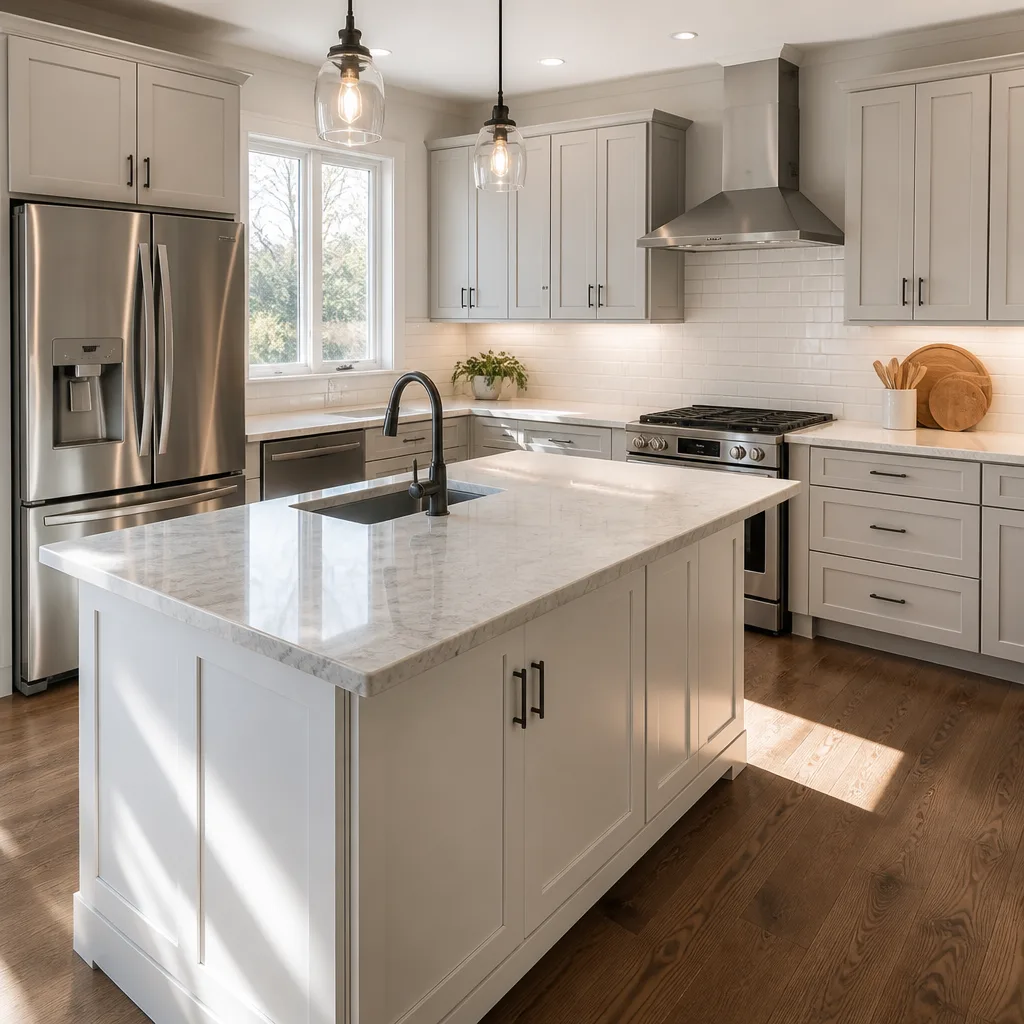 Kitchen remodeling
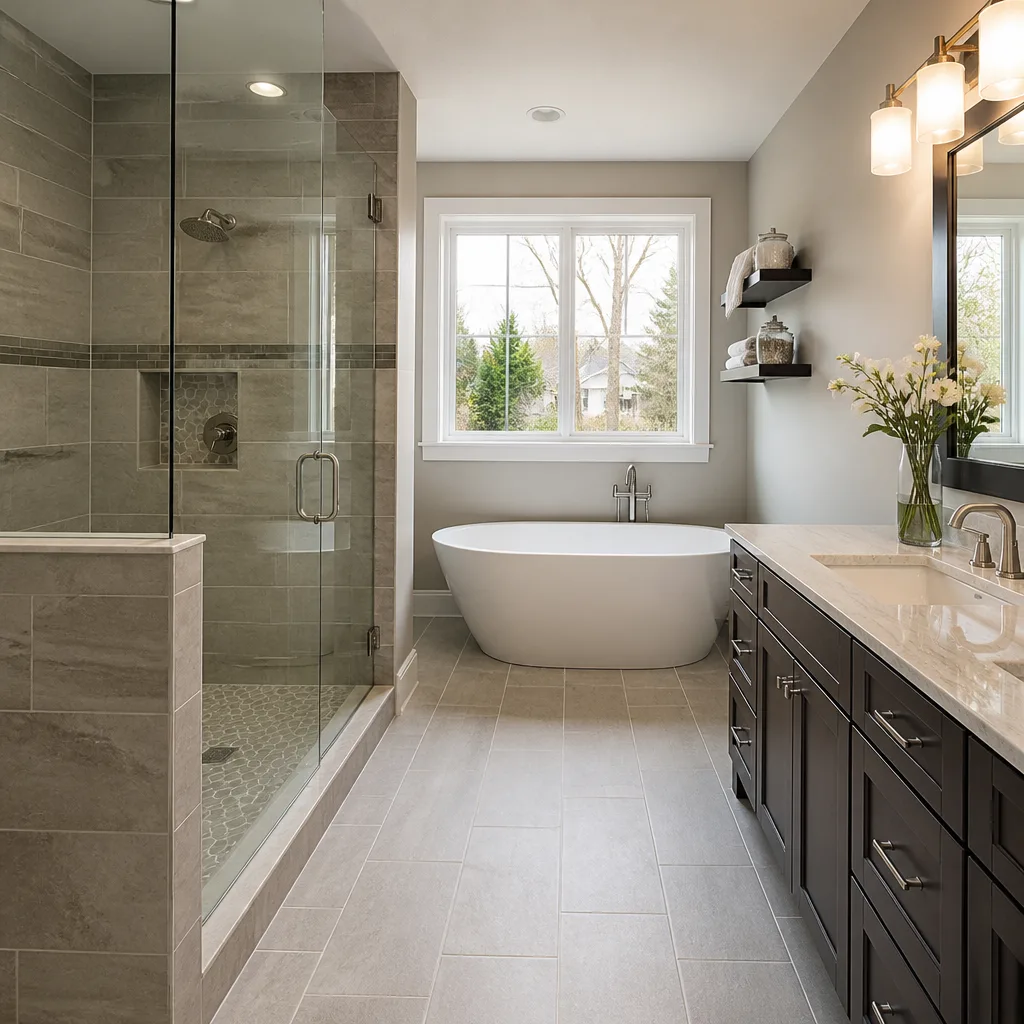 Bathroom remodeling
 Home additions & ADU
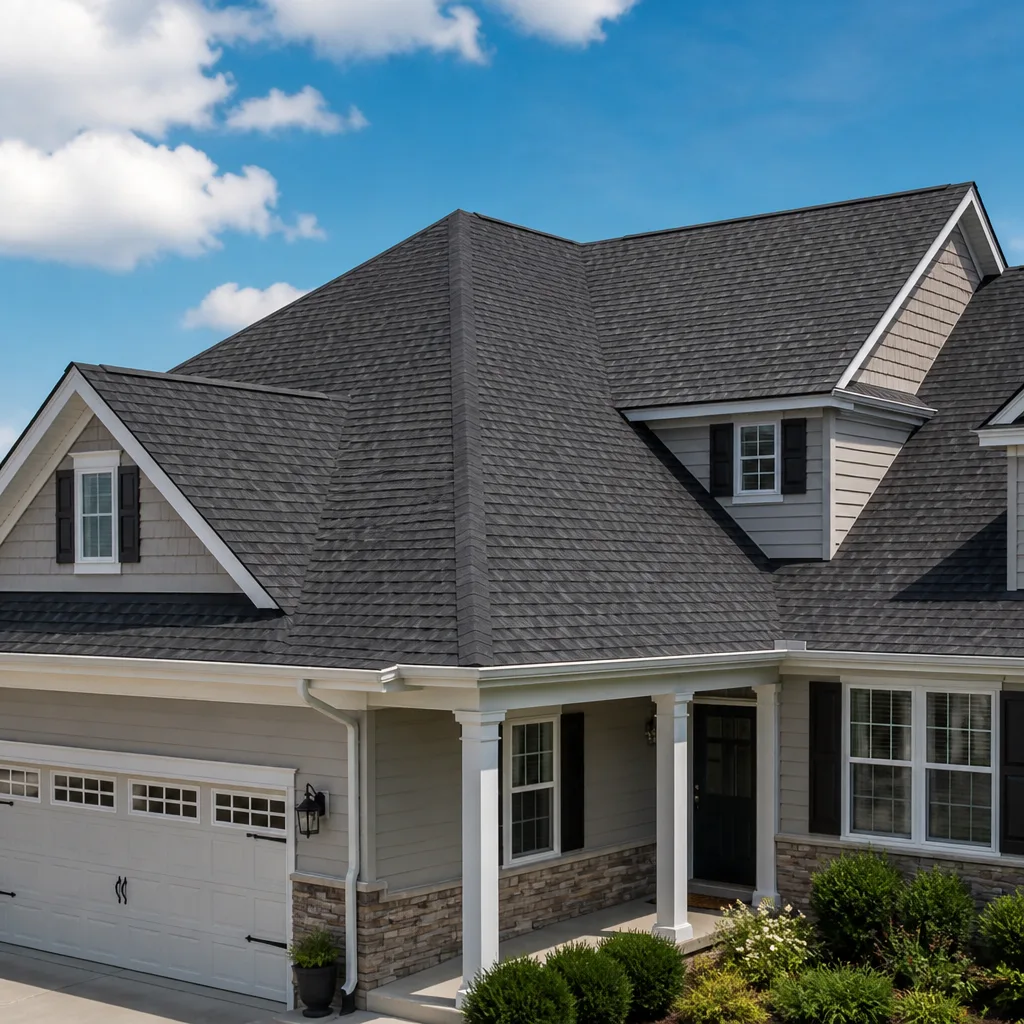 Roofing
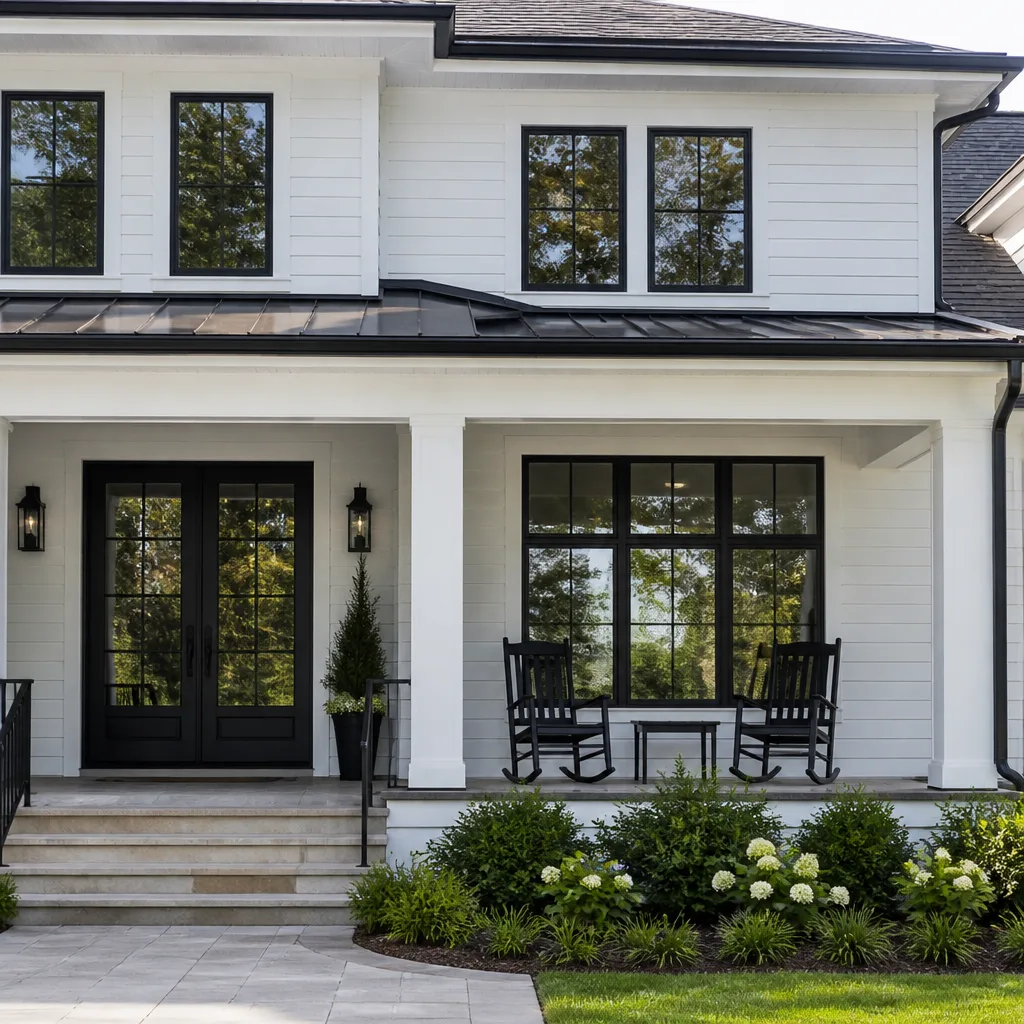 Windows & doors
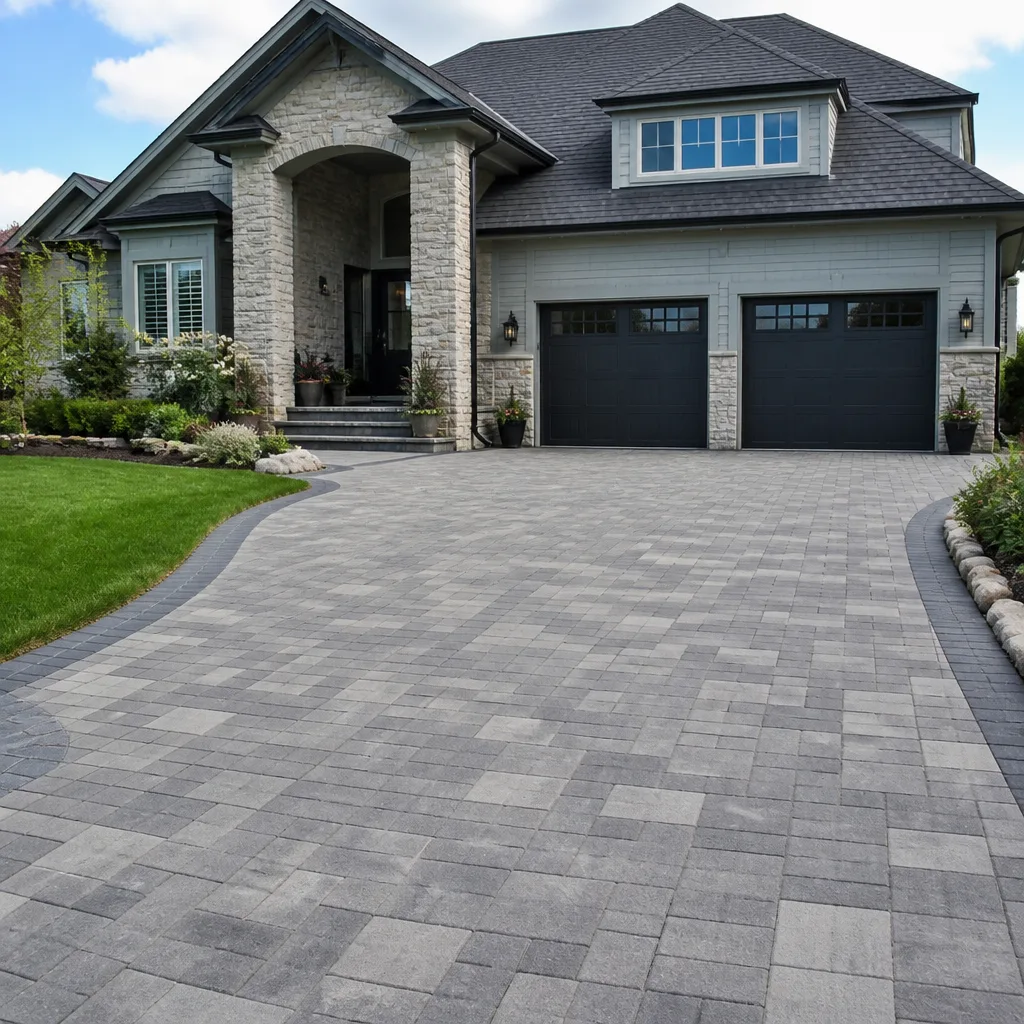 Driveway & pavers
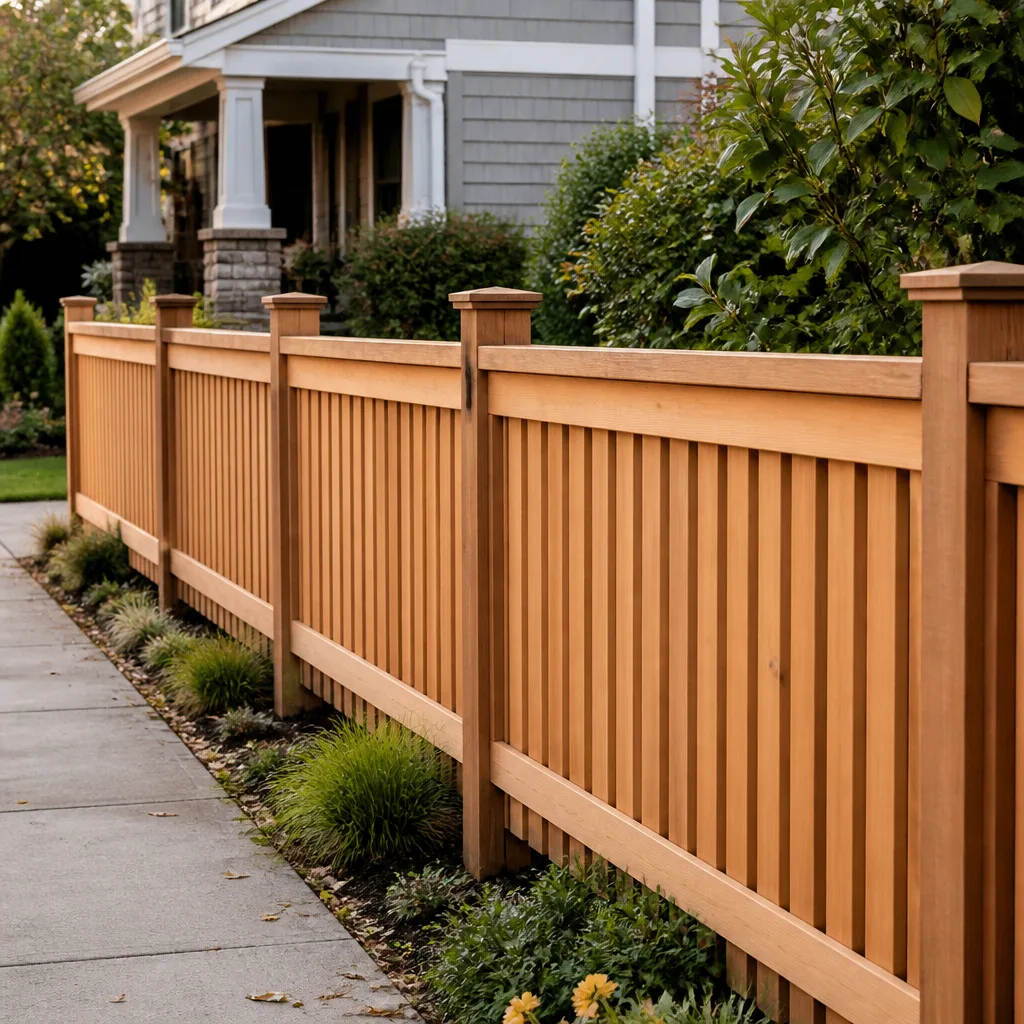 Fence
Free written scope consultation - allowances, timeline, and change-order rules on paper before a single trade is scheduled
General Contractor Troubleshooting: Common Problems and How to Fix Them
A stucco crack is rarely a stucco problem. It’s usually a framing or substrate moisture problem wearing a stucco symptom. Treating the surface without diagnosing the cause is how homeowners in Paradise, NV pay for the same repair twice. This guide walks you through the diagnostic framework we use on every service call: trace the visible defect back to its origin system, identify which of three upstream failures is actually responsible, and understand what a competent general contractor should do to fix it permanently.
Quick Answer
Most construction problems in Paradise homes stem from three root causes: a material that was never right for the high-desert climate, subcontractors whose scopes left gaps nobody owned, or no single contractor holding final accountability for how systems connect. The fix starts with root-cause diagnosis, not surface repair. Document everything before calling, ask the contractor to explain the origin system behind the symptom, and expect a written scope that names who owns each interface between trades.
Styles & brands we work with
Table of Contents
- The Root-Cause Matrix: How to Trace a Visible Defect
- The Subcontractor Blame-Gap Problem
- Climate-Specific Failure Patterns in Paradise
- What to Document Before Calling a Contractor
- When a Repair Is a Patch vs. a System Replacement
- Material Spec Failures: The Most Common and Most Avoidable Problem
- What a Single-Accountability GC Changes
- Common Mistakes to Avoid
- When to Call a Professional
- Frequently Asked Questions
The Root-Cause Matrix: How to Trace a Visible Defect
Every construction failure shows up as a symptom on a surface. A cracked tile. A sticking door. A roof leak that appears only after certain storms. The symptom is almost never the problem. The problem lives deeper, in the system that supports the surface. A tile crack on a kitchen floor can trace back to a deflection issue in the subfloor, which traces back to joist spacing that was wrong for the tile specification, which traces back to nobody checking the floor system before tile install began. Three layers deep. Each layer had a decision point where someone could have stopped the failure from propagating.
Here is the root-cause matrix we use when a Paradise homeowner calls with a visible defect:
- Surface symptom: Stucco crack running vertically from a window corner.
- Layer one (substrate): The framing beneath the stucco has moved. In the Paradise climate, this is often moisture intrusion at the window flashing causing wood expansion and contraction cycles.
- Layer two (system): The window was flashed incorrectly or the flashing failed. Water got into the rough opening.
- Layer three (origin): The window installer’s scope ended at setting the window. The stucco contractor’s scope started at the exterior surface. Nobody was accountable for the flashing interface between them.
That is the pattern we see over and over. The symptom is what you see. The origin is a scope gap between two trades that no single person was hired to own. When you hire separate contractors for windows and stucco, you are effectively hiring each of them to do their part and disclaim the connection. The connection is where failures happen. That’s the core argument for single-source accountability on a larger project: a general contractor who specifies the window, flashes it, and applies or oversees the stucco owns the interface by contract.
To run this matrix on your own home, ask one question about any visible defect: what changed behind or beneath this surface that caused it to move, crack, warp, or separate? If your answer only describes the surface, you haven’t found the origin yet. Keep going until you reach a system boundary: where one material ends and another begins, where one trade’s work met another’s. That boundary is where you will find the root cause, almost without exception.
The Subcontractor Blame-Gap Problem
Here is a scenario we hear constantly from Paradise homeowners. You hire a roofer to replace your roof in March. You hire a painter to repaint the exterior in October. By the following spring, paint is peeling in long strips under the eaves. The painter says the roofer didn’t install adequate drip edge. The roofer says the painter used the wrong primer. You pay for another paint job. The same thing happens next year. That is the blame-gap problem in action: no single contractor owns the interface between the roof system and the paint system, so the failure repeats indefinitely while each trade blames the other.
This is not a theoretical problem. It is the single most common structural inefficiency in residential construction today. The industry has fragmented into specialties, and each specialty has optimized its own scope. What got lost is the interface, the handoff, the point where one system meets another. Waterproofing-to-paint. Window-to-stucco. Deck-ledger-to-house. Cabinet-run-to-electrical. Each of these transitions can fail, and when it fails, each side has a defensible claim that it is the other’s fault.
How to identify if this is your situation:
- Your project involved three or more separate contractors with no single general contractor overseeing the full scope.
- You, the homeowner, were the one coordinating schedules, resolving disputes, or interpreting what each contractor was supposed to do.
- A defect appears at a boundary: where the roof meets the wall, where the window meets the siding, where the deck attaches to the house, where the countertop meets the cabinets.
- When you call each contractor, you get finger-pointing instead of a plan.
- The repair quote addresses only the surface symptom, not the underlying connection.
If you recognize your situation in that list, the honest answer is that the fix is not another patch. The fix is a single accountable party who can diagnose the interface failure, specify the correct repair across both systems, and warranty the work because they controlled the scope. That is what a General Contractor in Paradise is for, and it is what a broken interface demands. Until someone owns the boundary, the failure will recur on a schedule determined by weather and materials, not anyone’s intent.
Climate-Specific Failure Patterns in Paradise
Paradise, NV has a high-desert climate that punishes certain materials relentlessly while leaving others nearly untouched. The air is dry most of the year, which slows wood rot and mold growth. That’s the good news. The bad news: intense UV exposure, extreme daily temperature swings, and occasional heavy downpours that test every waterproofing detail on the house. We see specific failure patterns in this climate more than anywhere else we work. Here are the three most common, and what they reveal about the underlying system.
1. Roofing underlayment UV degradation. In most climates, underlayment is protected from the sun almost immediately after installation. In Paradise, the combination of intense UV and occasional high winds can delay or interrupt roofing work, leaving underlayment exposed for days or weeks. Fiberglass-reinforced underlayment degrades faster under direct sun than most homeowners realize, and once it begins to fail, the roof system loses its secondary waterproofing layer. We specify UV-resistant underlayment products from manufacturers like GAF and CertainTeed for Paradise roofs, because the climate demands it. It is not a premium option here; it is the correct spec.
2. Window seal failure from thermal cycling. A window in Paradise can see a 40-degree temperature swing between a hot afternoon and a cool high-desert night. That cycle stresses the seal between the glass panes every single day. Double-pane windows become triple the liability when the seal fails, because the insulating gas escapes and you get condensation or haze between panes. We specify windows from Therma-Tru and PGT for this climate because their seal systems are tested for high-thermal-cycle environments. A failed window seal is not repairable; the glass unit must be replaced. But the correct original spec prevents the failure in the first place.
3. Deck coating breakdown. Horizontal surfaces take more UV than vertical ones, every hour of every day. A deck coating that lasts ten years on the Oregon coast lasts three years in Paradise. When a coating fails, it is not just cosmetic. Exposed wood or concrete absorbs moisture during the rare but intense desert storms, and then dries rapidly in the sun, which accelerates cracking and checking. The correct detail is a coating specified for high-UV desert exposure, applied to a properly prepared and dry substrate. Coatings fail from inadequate prep or wrong product far more often than from any defect in the coating itself.
These are not isolated problems. They are the same root-cause story told in different materials: the Paradise climate imposes demands that generic specifications do not meet. When a contractor treats the climate as background instead of a design input, the failures above are inevitable. When the climate is treated as a first-order constraint, the materials that go on your home are different from what goes on a home in Seattle or Atlanta, and the results are different too.
What to Document Before Calling a Contractor
Your leverage in any repair negotiation is determined before the contractor arrives. A homeowner with photographs, dates, and prior work receipts gets a different conversation than a homeowner with a verbal description and a vague memory of when the problem started. Documentation changes the repair discussion from “trust me” to “here is the evidence.” It also saves you from paying for diagnosis time that you can do yourself in an afternoon.
Here is the documentation protocol we recommend, in order:
- Photograph the defect from three distances. Close-up showing the actual crack, stain, or separation. Medium shot showing the defect in the context of the surrounding surface. Wide shot showing the location of the problem on the home, so the contractor can orient without being on site.
- Photograph the surrounding area underneath and behind when accessible. If it’s a crack in drywall, photograph the wall from the other side if that space is accessible. If it’s a roof leak, photograph the attic directly under the leak. These under-side photos often show the origin, not just the symptom.
- Note the date you first noticed the problem. Memory fades. A written note with a date anchors the timeline. Was it after the last big storm? After a temperature spike? After a nearby construction project? The timing is diagnostic.
- Locate any prior work receipts or permits for the affected area. If the roof was replaced in 2019, find the contractor’s name and the scope of work. If the windows were installed as part of a Home Remodeling in Paradise project, find that contract. Prior work documentation tells you whether the defect is within a warranty period, and it tells the new contractor what was specified originally.
- Write down the pattern, not just the event. Does the leak appear only during wind-driven rain from the west? Does the door stick only in July? Patterns are diagnostic evidence that a photograph cannot capture. Three sentences of pattern observations are worth more than any single photo.
With this documentation in hand, you control the diagnostic conversation. The contractor can move straight to root-cause analysis instead of spending their first visit assembling your history from memory. That efficiency is a signal of the contractor’s competence, but it is also money saved on a repair that gets specified correctly the first time.
If you are anticipating a larger project rather than a specific repair, the same documentation discipline applies. Before starting any Home Renovation in Paradise, walk the entire property and document existing conditions: cracks, stains, gaps, drainage patterns, anything that might later be mistaken for new damage caused by the renovation. A pre-construction condition survey is a standard practice among contractors who take accountability seriously. It protects both sides.
When a Repair Is a Patch vs. a System Replacement
The hardest question in construction repair is not “what’s wrong” but “is fixing this worth it, or is the system done.” We walk Paradise homeowners through this decision with a three-variable framework. It is the same framework we use internally when deciding whether to recommend a repair or a replacement to a client.
Variable one: remaining service life. Every system has a design life. A typical asphalt shingle roof in the Paradise climate lasts 15 to 20 years if properly installed and ventilated. A stucco exterior can last 40 years or more if the underlying moisture management is sound. If a system is at 80 percent of its design life and a significant component fails, patching it is often throwing good money into a failing system. The honest conversation a competent GC should have with you is about remaining life, not just repair cost.
Variable two: failure mechanism. A roof leak caused by a single damaged shingle is a repairable event. A roof leak caused by degraded underlayment across the whole roof plane is a system failure, even if only one spot is leaking today. This is where root-cause diagnosis matters financially. Patch the shingle, and you buy six months. Replace the underlayment, and you solve the problem for the remaining life of the system. The right choice depends on whether the failure is an event or a mechanism.
Variable three: cost of repeated repairs. This is the trap most homeowners fall into. A $600 patch for a recurring problem sounds cheaper than a $4,000 system fix, until the third $600 patch happens and you have paid half the replacement cost while still owning the problem. A competent contractor should walk you through the arithmetic: what is the expected frequency of repeat failure, and what is the break-even point where patching stops making sense. If a contractor will not discuss the break-even point, they are selling patch work, not problem resolution.
The honest framework we use with clients is simple: if the remaining life of the system is short and the failure mechanism is systemic, replace. If the remaining life is long and the failure is a one-off event, repair. If you are unsure, document the repair and monitor. But never let a contractor patch a systemic failure without explaining the break-even math to you first.
Material Spec Failures: The Most Common and Most Avoidable Problem
The most expensive construction mistake we see is not a labor error. It is a material that was specified for the wrong climate, the wrong application, or the wrong budget tier. The material itself is not defective. It is simply wrong for the job, and no amount of careful installation will fix that. Paradise is a particularly unforgiving environment for this mistake because the climate demands specific performance characteristics that are not optional.
Start with roofing. The Paradise market has homes with asphalt shingles, tile roofs, and flat or low-slope sections that demand a completely different waterproofing approach. A shingle designed for the Pacific Northwest is not automatically suitable for the high-UV, high-thermal-cycle conditions of the Mojave’s northern edge. We specify roofing products from the GAF, CertainTeed, and Owens Corning lines because those manufacturers produce climate-specific product families, and we can select the specific product that matches the home’s exposure and slope. The brand is not the point. The spec within the brand is the point.
The same logic applies to siding and fencing materials. James Hardie fiber-cement siding performs well in the dry Paradise climate, but the installation details matter: the correct gap at butt joints, the correct flashing at penetrations, the correct flashing at the foundation line. Hardie is a premium product line, but it is not immune to installation error. For fencing, brands like Master Halco and Ameristar produce steel and aluminum systems that hold up to the Paradise sun better than untreated wood. A wood fence installed in this climate without a UV-stable coating will look aged within two years; a steel fence from Ameristar carries finish warranties designed for exactly this environment. The material choice is a climate decision, not just a style decision.
The general contractor’s role in material spec is wider than most homeowners realize. A GC who works with a broad manufacturer portfolio can match material to condition without being forced into a single brand. That matters in Paradise because the climate forces material compromises that a single-brand contractor may not be equipped to make. If your contractor only installs one roofing brand, you are getting that brand whether it is the right spec or not. If your contractor works across seven roofing manufacturers, the question is reversed: what does this roof need, and which product line provides it. That inversion changes every material decision on the project.
The same logic extends to every material category on a full-scope project. Countertops from Cambria, Silestone, or Caesarstone each have different performance characteristics under UV exposure and different fabrication requirements. Plumbing fixtures from Kohler, Grohe, or Toto each have different valve specifications that affect the rough-in work behind the wall. The contractor who specifies broadly can choose correctly. The contractor who specifies narrowly must justify their product against your project’s actual conditions, and often cannot.
Our approach at Ellsworth Contractors is unhurried material selection. We specify from a portfolio of verified manufacturers because paradise is too demanding for a one-product answer. From roofline to paver, the product must match the exposure, the use, and the budget. When a homeowner calls us with a material failure, the first question is always the same: what was the spec, and was it ever right for this house in this climate. Usually, the answer explains the failure better than any labor analysis.
If you are planning a Ellsworth Contractors home project, ask your contractor to justify the material spec against Paradise conditions, not against availability or familiarity. A contractor who can explain why a product is right for this climate, this exposure, and this use is a contractor who will not be back in three years replacing their own mistake.
What a Single-Accountability GC Changes
Everything in this guide converges on one structural fact: most construction failures are failures of coordination, not craftsmanship. The traditional model, where a homeowner hires three or four specialty contractors and manages the interfaces between them, is structurally incapable of resolving the boundary problems we have described. The homeowner is not a construction manager. The homeowner does not know what a correct flashing detail looks like or whether the drip edge extends far enough over the gutter. Expecting a homeowner to own those interfaces is the actual root cause behind the blame-gap problem.
A single-accountability general contractor changes the structure of the problem. One entity specifies the materials, sequences the trades, owns the interfaces by contract, and warranties the result. When a defect appears at a boundary, there is no finger-pointing possible: the GC owned that boundary. That is the entire value proposition, and it is the reason the single-source model produces measurably fewer boundary failures than the fragmented model.
In Paradise, this matters more than most places because the climate compresses the margin for error. A flashing gap that sits quietly for five years in a mild climate becomes a visible failure within two seasons here, because the thermal cycling and occasional heavy rains find the gap aggressively. The high-desert environment tests every detail on the house, every season. Homes built with single-accountability oversight survive that testing far better than homes assembled from independently scoped specialties.
Our scope at Ellsworth Contractors reflects that reality. We handle interior systems and exterior systems. Kitchens, bathrooms, cabinetry, countertops, tile, and flooring on the inside. Roofing, siding, windows, doors, fencing, hardscaping, and concrete on the outside. We hold the plumbing rough-in, the waterproofing substrate, and the finish tile in one accountable sequence, because waterproofing-to-finish integration is exactly where fragmented projects fail in bathrooms and kitchens. We work with prefab and ADU brand partners including Abodu, Dvele, and Boxabl because those structures demand careful site coordination that most single-trade contractors cannot provide. The scope exists because the failure patterns demand it.
For the homeowner, the practical difference is simple. When you call a single-accountability GC with a problem, you talk to the entity that owned the work. When you call a trade contractor with a boundary problem, you talk to someone whose contract disclaims the boundary. The difference in outcomes is not subtle.
Common Mistakes to Avoid
- Treating the symptom without diagnosing the system. Patching a stucco crack without addressing the water intrusion behind it guarantees the crack returns. Every repair should start with a root-cause question, not a surface fix.
- Hiring the cheapest specialty contractor for each trade. The fragmented model saves money on paper and costs far more in interface failures. Cheap scope boundaries are the most expensive purchase in construction.
- Accepting a repair quote without a written cause statement. A contractor should be able to tell you why the problem occurred, not just what they will do to cover it. A quote without a diagnosis is a guess with a price tag.
- Skipping the pre-project documentation walk. If you do not document existing conditions before a project starts, you lose the ability to distinguish pre-existing defects from construction damage. That ambiguity costs homeowners money in Paradise every season.
- Choosing materials by brand recognition instead of climate spec. A familiar brand is not automatically the right product for the high-desert climate. Ask your contractor to justify the spec against Paradise UV, thermal cycling, and moisture conditions.
- Allowing a patch to become a recurring line item. When the same repair recurs, the failure is systemic. Paying for the third patch is a signal that the first diagnosis was wrong. Stop and get a root-cause analysis.
- Not asking who owns the interface. When you hire separate contractors, ask each one directly what happens at the boundary where their work meets another trade’s work. If the answer is vague or defensive, you have found the origin of your future problem.
When to Call a Professional
You should call a professional the moment you can answer yes to any of these questions: the defect involves moisture intrusion into the building envelope, the problem is at a boundary between two systems, the same repair has been performed before, the defect is growing or changing, or you are about to spend money on a repair without understanding the cause. These are not optional judgment calls. These are hard thresholds where the cost of delay compounds.
In Paradise, the high-desert climate means small water intrusions can remain hidden for long periods before surfacing as a visible stain or crack, by which point the framing damage may be extensive. If you suspect a problem behind a surface, get a professional diagnosis before the symptom worsens. Ellsworth Contractors offers free estimates in Paradise: call (888) 445-6077.
Frequently Asked Questions
Most general contractors in Paradise charge between $150 and $400 for a diagnostic visit, though many, including Ellsworth Contractors, credit the diagnostic fee toward the repair or renovation if you proceed with the work. The diagnostic visit is the most valuable money you can spend on a recurring problem, because it converts guesswork into a documented root-cause analysis. Call (888) 445-6077 to schedule a free estimate and ask about diagnostic pricing for your specific issue.
The most common construction defects we document in Paradise homes are stucco cracks caused by water intrusion at window and door flashings, roof leaks caused by UV-degraded underlayment or failed flashing at roof penetrations, window seal failures from the extreme daily thermal cycling, and cabinet warp in kitchens from moisture intrusion behind the wall or from inadequate ventilation. Each of these is a symptom of a deeper system failure, not a standalone material defect.
A repair will fix the problem only if the contractor identifies the root cause clearly and explains it to you in plain language. Ask for a written cause statement before approving any repair. If the contractor cannot explain why the defect occurred, what specific conditions caused it, and why the proposed repair addresses those conditions rather than just covering the symptom, the repair is likely to fail. A competent contractor will welcome this question; a patch-seller will deflect it.
It depends on whether the defect is isolated to one system or lives at a boundary between systems. A single broken tile on a kitchen floor with sound subfloor is a specialty repair. A cracked tile over a sagging floor joist is a structural problem that requires a general contractor’s coordination. In our experience, most recurring defects in Paradise homes are boundary problems, and boundary problems respond better to single-accountability general contracting than to sequential specialty patches.
A properly diagnosed and correctly executed repair should last the remaining service life of the system it is repairing. A roof flashing repair should outlast the roof’s remaining life. A stucco crack repair that addresses the moisture intrusion behind it should last decades. If a repair fails within two seasons, the diagnosis was wrong or the repair was undersized. The Paradise climate accelerates failure; it does not create it where the root cause was actually resolved.
Yes. Our scope spans the full building envelope and interior systems: roofing, siding, windows, doors, fencing, hardscaping, kitchens, bathrooms, cabinetry, countertops, tile, and concrete. We also coordinate prefab and ADU installations through brand partnerships including Abodu, Dvele, and Boxabl. If your project touches multiple systems, we are a Home Remodeling in Paradise resource that owns the full scope under one accountable contract.
The Bottom Line
Construction problems in Paradise are rarely mysterious. They are the predictable downstream results of three upstream failures: a material spec that was never right for the high-desert climate, subcontractor scopes that left interface gaps nobody owned, or no single contractor holding final accountability for the whole system. The diagnostic framework in this guide, trace the symptom to its origin system, identify which failure is actually in play, and document before you call, will serve you on every construction decision from a single cracked tile to a full Home Renovation in Paradise. The right contractor will welcome the questions this guide teaches you to ask. The wrong one will deflect them. That is how you tell the difference before you spend the money.
Written by the team at Ellsworth Contractors, serving Paradise since 2014.
See the difference
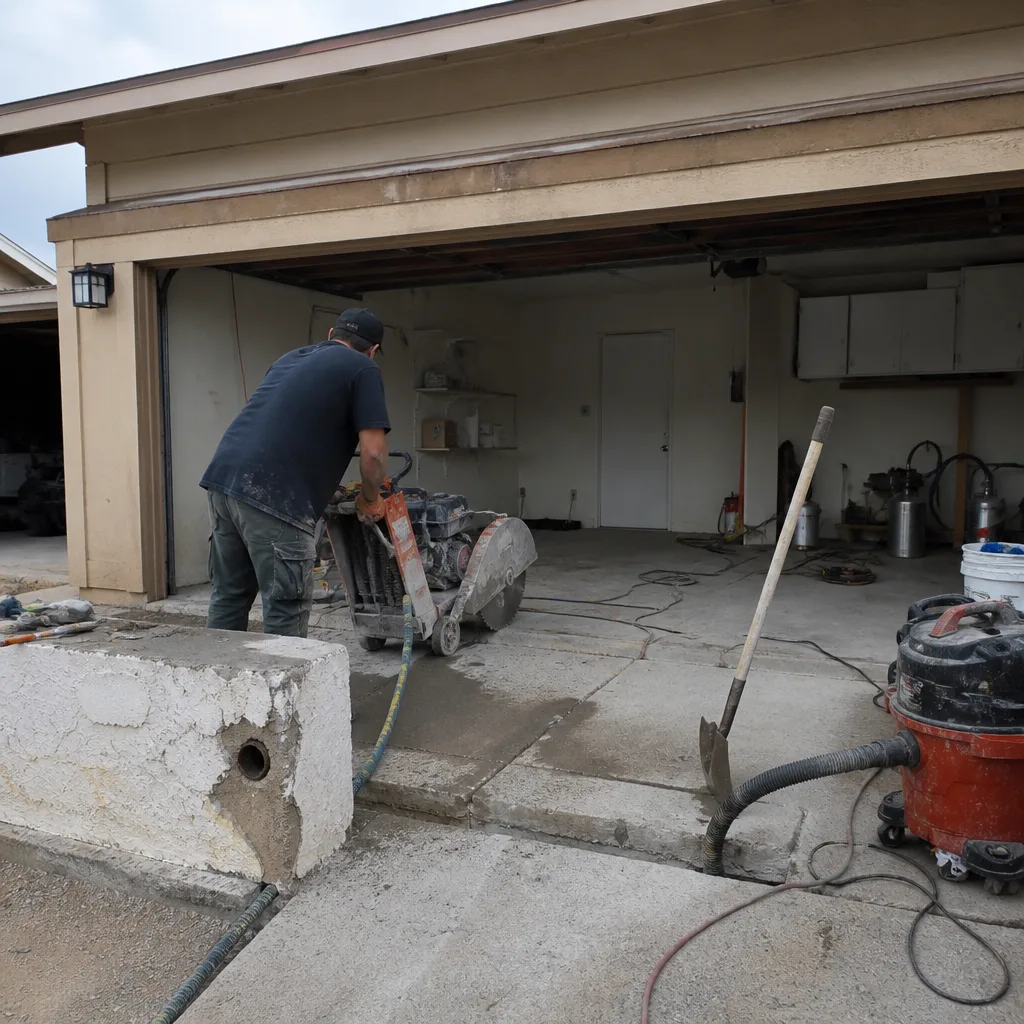 Before
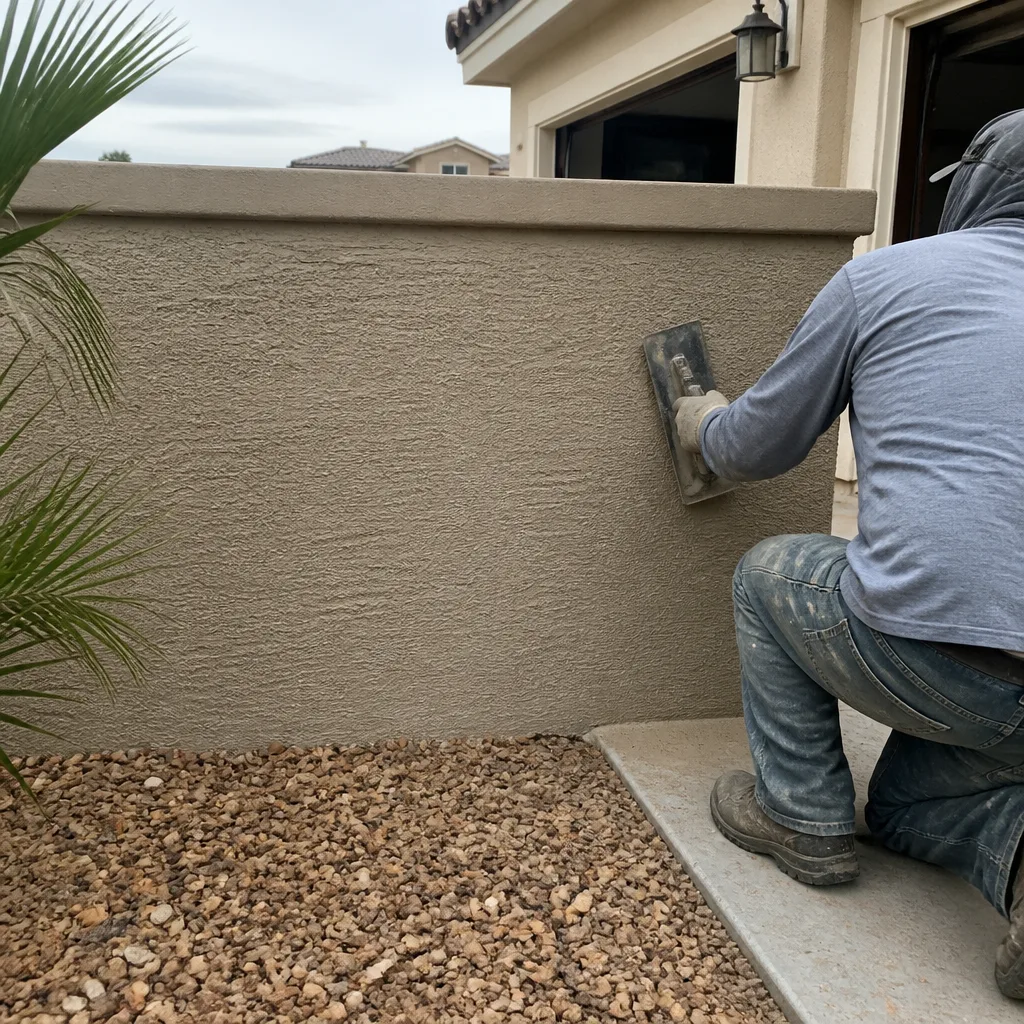 After
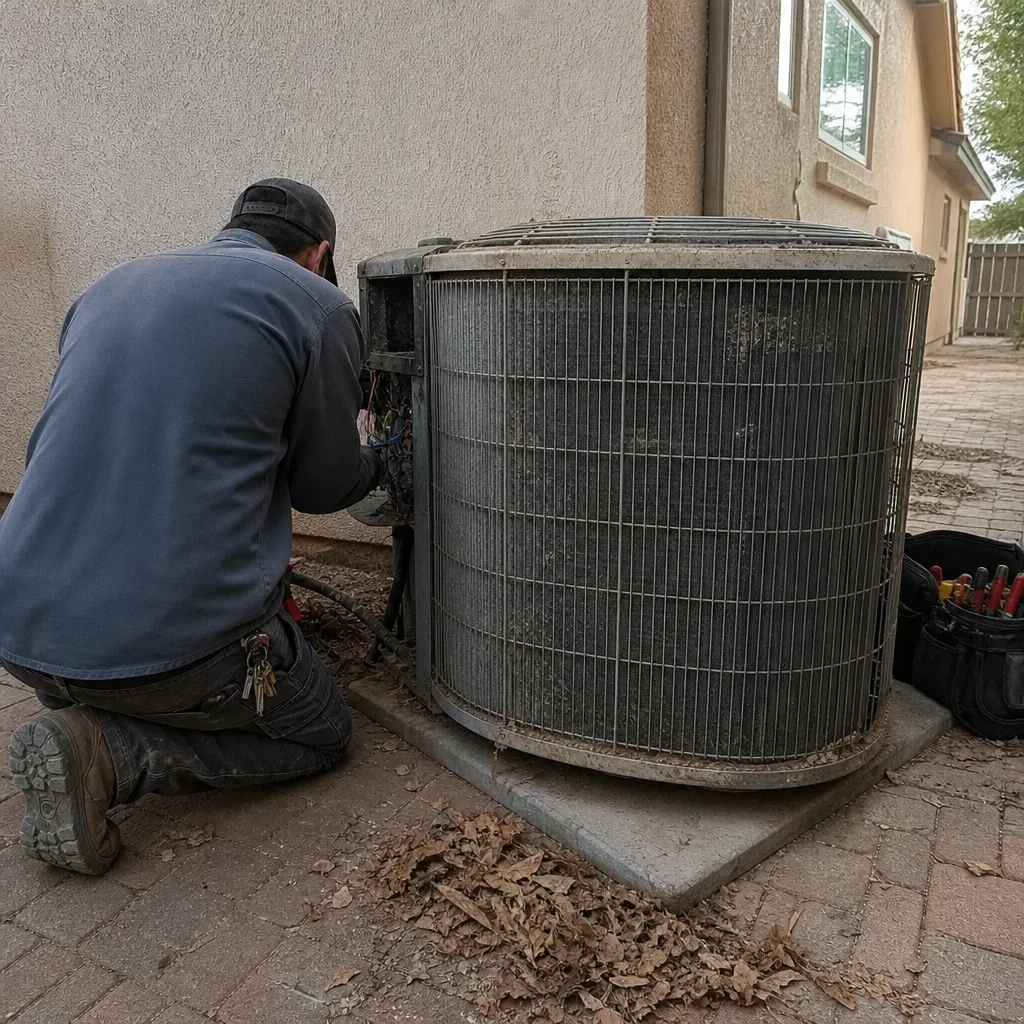 Before
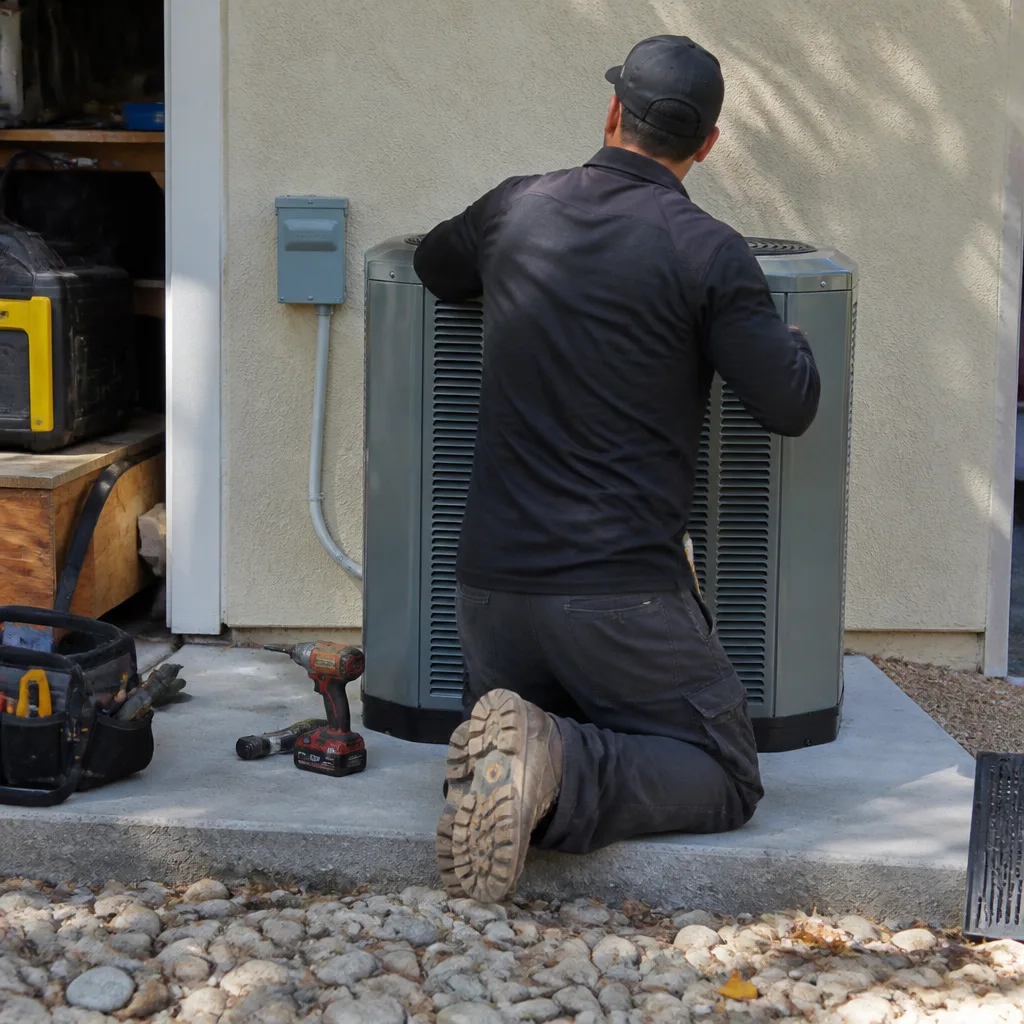 After
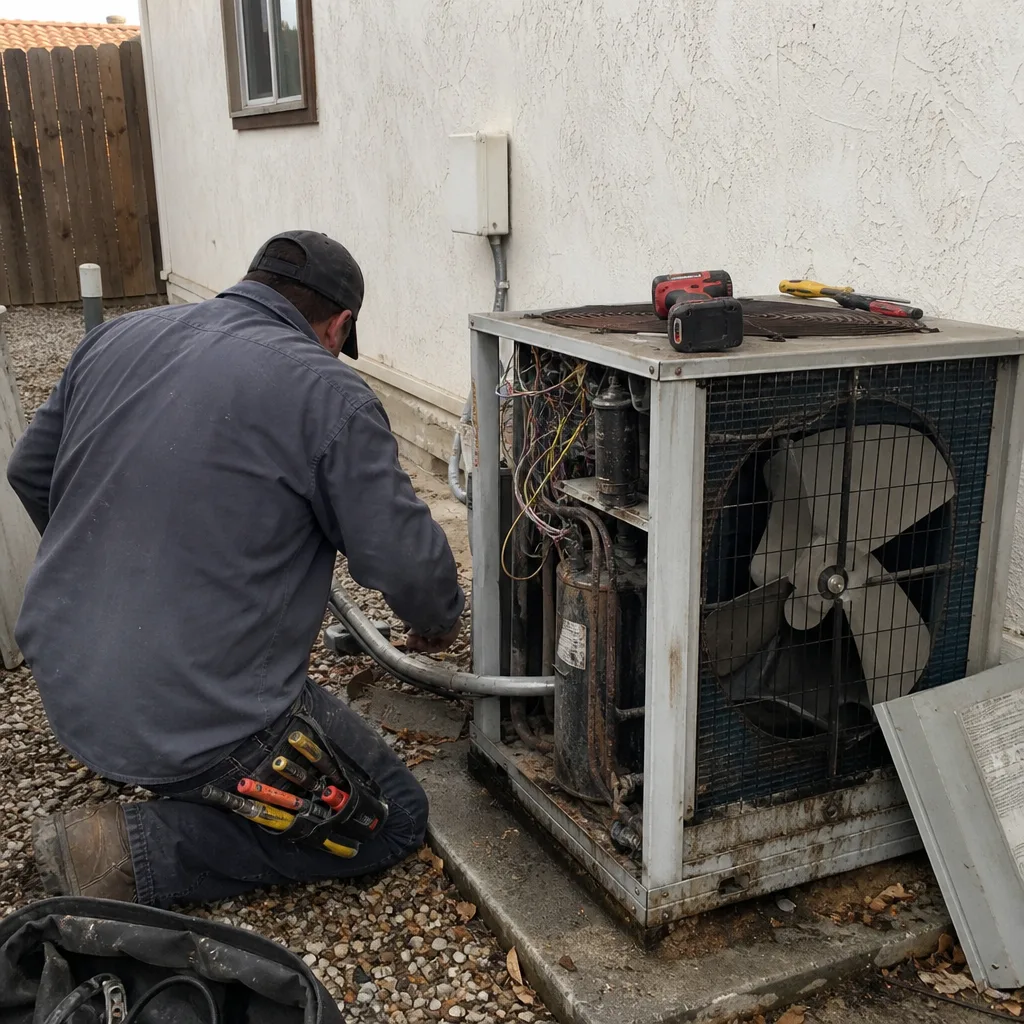 Before
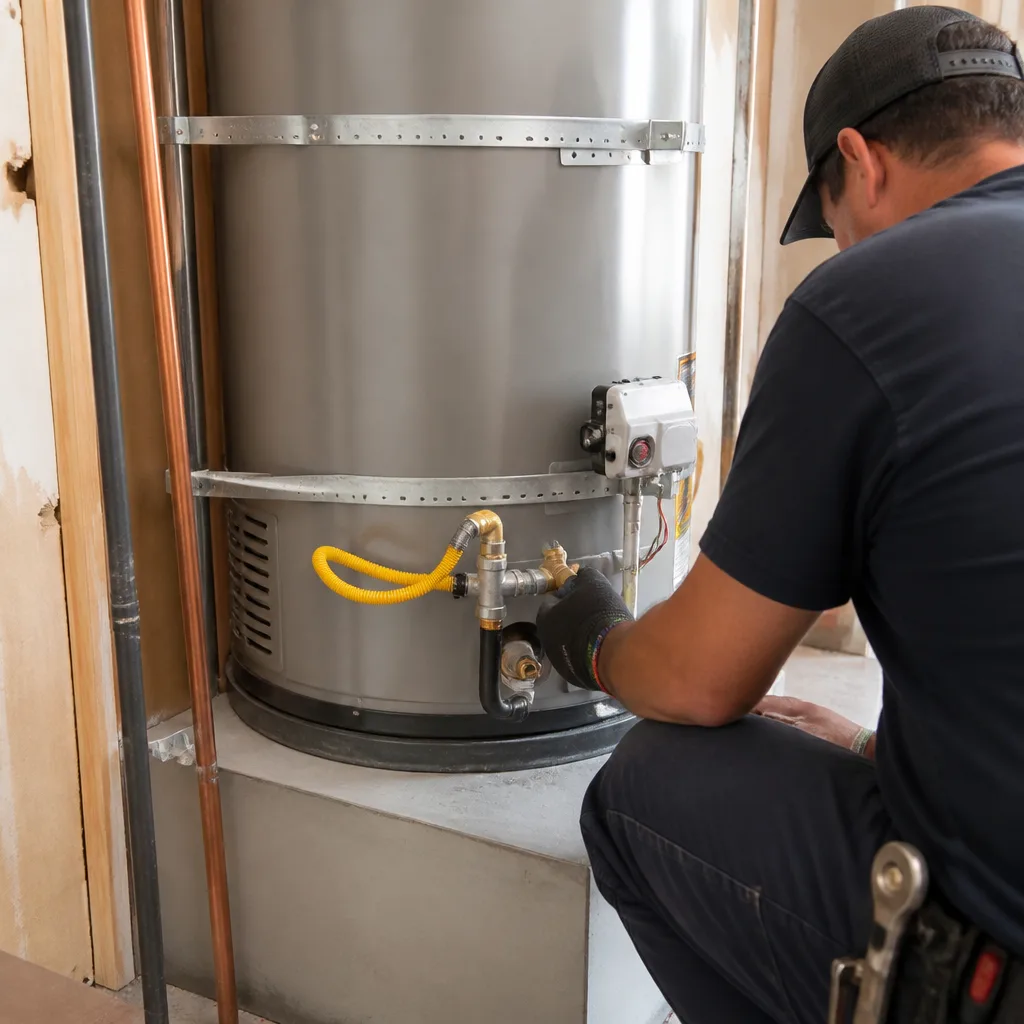 After